
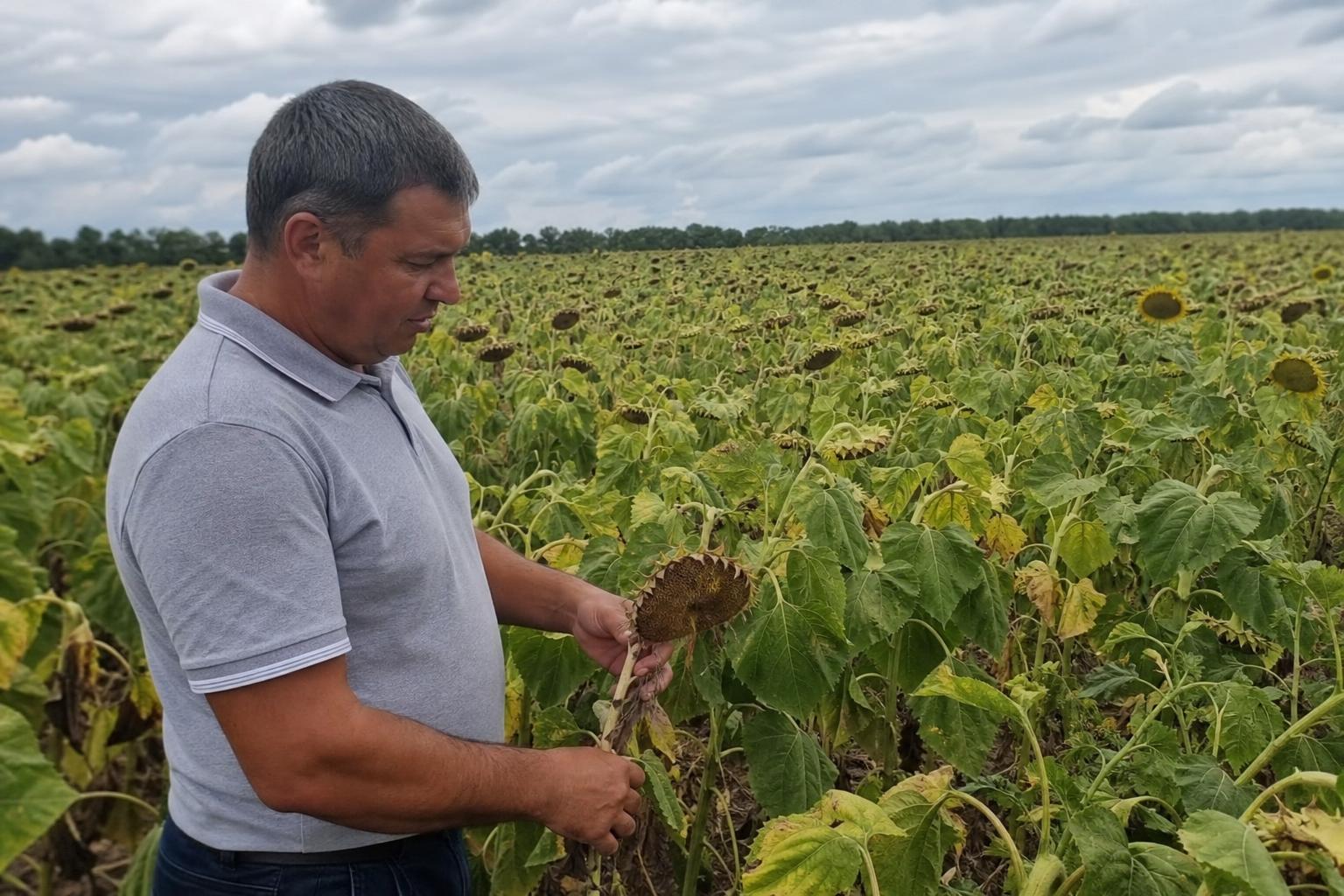
Sclerotinia is a risk to crops that should not be assessed solely on the basis of general forecasts. According to an industry report, disease control becomes more challenging when the crop rotation is dominated by crops susceptible to the same pathogens.
The report cites potential yield losses of up to 80%. This is an upper-end estimate, not a guaranteed figure for every field: the actual risk depends on specific conditions and needs to be assessed.
Crop rotation affects the complexity of crop protection
When crops in a rotation share diseases, controlling Sclerotinia becomes more difficult. That is why crop protection planning should take into account the field’s history and previous crops, rather than relying solely on the product name.
What to check before buying a fungicide
- Whether the product is intended for the relevant crop and target pathogen.
- Whether the conditions and crop growth stage meet the requirements stated on the label.
- Whether the product’s registration details and label are up to date.
For sellers on AgroPost, it is important to clearly specify the crop, intended use and product registration details. Buyers should compare this information with their field conditions and not treat an advertising claim as a guarantee of results.
What this means for the market
The risk of Sclerotinia increases the need to select fungicide protection carefully, especially where the crop rotation makes disease control more challenging. Purchasing decisions should be based on the specific crop and field, as well as verified recommendations, rather than solely on the stated maximum estimate of losses.
Comments
No comments yetNo comments yet - be the first.