
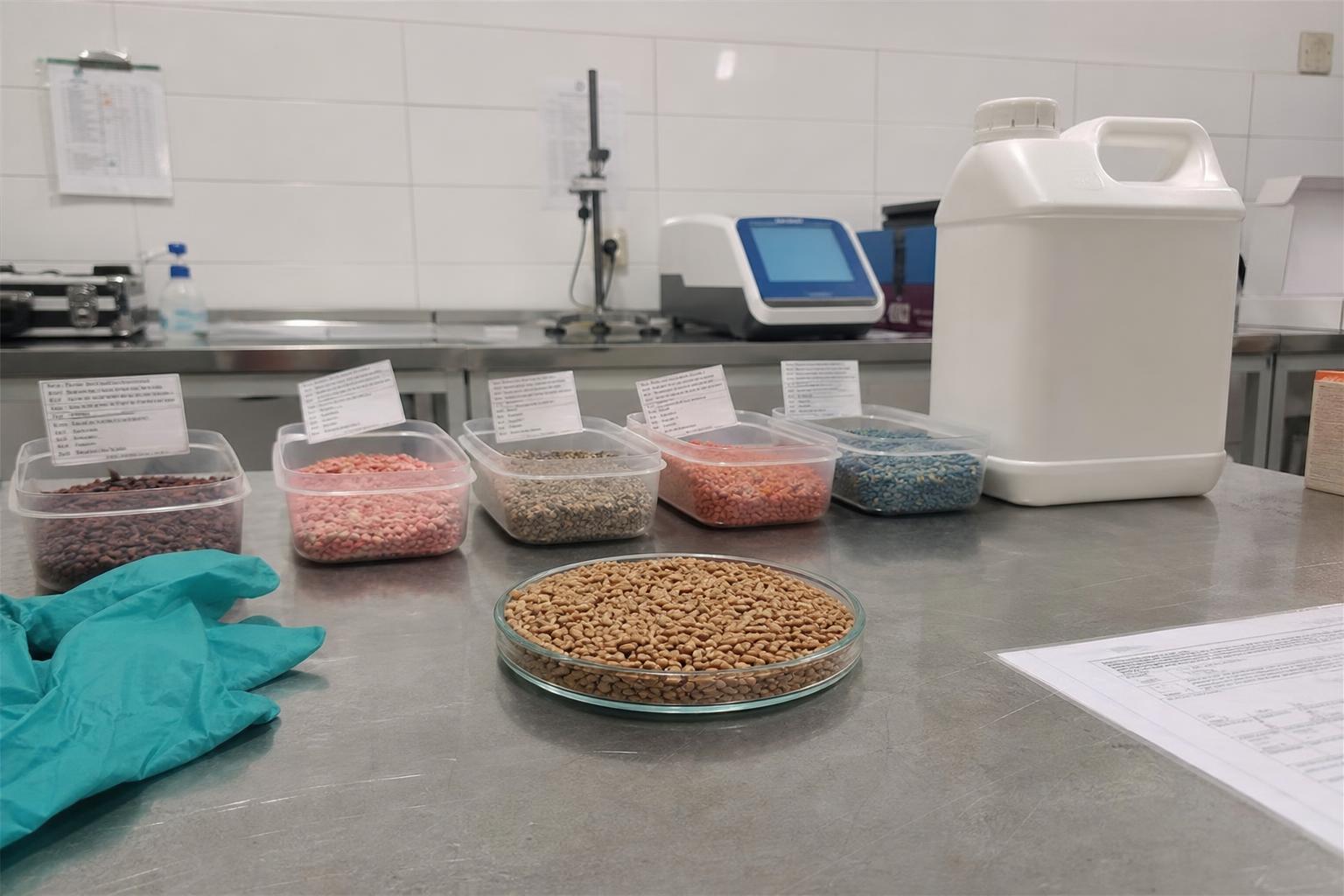
In Ukraine's plant protection segment, the topic of seed infections in cereals is gaining renewed relevance. Sources mention Ukravit's report that hard soot was found in over 60% of tested grain samples.
For the plant protection market, this is not just a phytosanitary signal. Such information influences demand for laboratory diagnostics, seed treatments, consulting services, and higher-quality seed material preparation.
Why Hard Soot Matters for Pesticide Sellers and Buyers
Hard soot belongs to diseases where prevention plays a crucial role. If the problem enters the field with the seed, correcting it after sowing is significantly more difficult than preventing it during seed lot preparation.
Therefore, buyers on AgroPost should evaluate not only the price per liter or kilogram of a seed treatment product but also match the crop, declared spectrum of action, application rate, formulation, and compatibility with other pre-sowing treatments.
For pesticide sellers, this presents an opportunity to tailor offers not with generic phrases but based on specific requests: cereal crops, seed infection risks, need for fungicidal protection, and available seed treatment products.
Demand Shifts Toward Pre-Purchase Diagnostics
The report of a significant proportion of infected samples reinforces the practice of pre-sowing seed testing. For farms, this is a way to avoid buying pesticides blindly and to select products based on the actual condition of the seed material.
In practice, this means demand may focus on three main areas: laboratory analysis of samples, fungicidal seed treatments for cereals, and consultation on treatment technology. For the marketplace, such a combination is important because buyers seek not just a single container but a comprehensive pre-sowing solution.
Sellers should clearly specify in listings which crops and disease groups the product is intended for. Vague descriptions reduce trust, especially when it comes to seed infections and the risk of quality loss in the crop.
What to Check Before Choosing a Seed Treatment
- Crop and intended use of the product. Buyers need to ensure that the product is approved for the specific cereal crop and seed treatment format.
- Spectrum of fungicidal action. If there is a risk of hard soot in the batch, the product must address this issue according to the label and application regulations.
- Compatibility in tank mixes. If necessary, clarify whether the seed treatment can be combined with insecticides, micronutrients, or growth stimulators.
- Seed quality. Seed treatment does not replace cleaning, calibration, and basic quality checks of the seed material.
- Product documentation. For purchases via the marketplace, it is important to verify the origin, expiration date, packaging integrity, and official application instructions.
Key Takeaways for AgroPost
The main conclusion for pesticide buyers is straightforward: pre-sowing fungicidal protection for cereals should be planned before bulk procurement. If seed infection suspicion exists, diagnostics are needed first, followed by selecting an appropriate seed treatment.
For sellers, clear specialization in listings becomes relevant: seed treatments for cereals, seed fungicidal protection, products against soot diseases, and integrated pre-sowing solutions.
What this means for the market: the plant protection segment may receive increased attention in the near future, especially regarding seed treatments and diagnostics services. On AgroPost, proposals that precisely describe the product's purpose and buyers that verify choices against actual grain condition and application regulations will stand out.
Comments
No comments yetNo comments yet - be the first.