
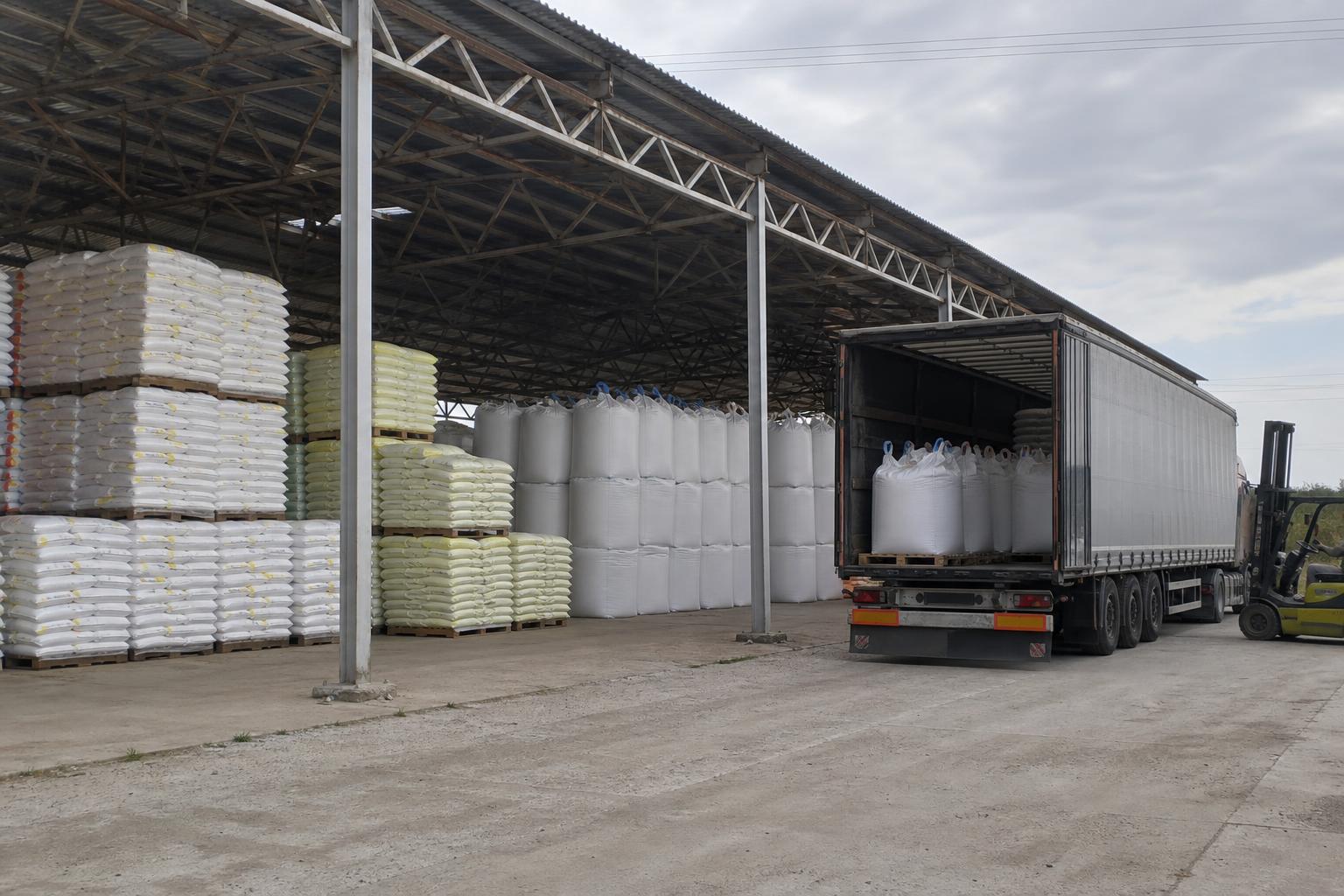
The Ukrainian fertilizer market is entering a period of active procurement planning for autumn field work and the upcoming sowing season. For agricultural producers, key considerations remain not only the price of nitrogen or NPK but also the actual cost of delivery to the warehouse or field.
While there are no direct fertilizer quotations in the provided sources, a notable logistical signal comes from the Danube route. According to market reports, freight from Ukrainian Danube ports to Egypt was estimated at $90–95 per ton at the end of August, approximately $27 per ton higher than on August 20.
What is happening with Danube logistics
The increase in freight rates is explained by limited fleet availability, high demand for transportation, and congestion in the Sulin Channel. For comparison, freight from Romanian Constanța to Egypt was estimated at around $30 per ton in the sources.
These figures primarily relate to transportation markets and are not fertilizer prices. However, for agrochemical sellers and farmers, they serve as an important indicator that logistical factors can quickly alter the economics of a deal.
How fertilizer buyers should interpret this
For farms comparing offers for urea, CAN, ammonium nitrate, or NPK, it is advisable to look not only at the price per ton of product but also to consider the full cost including delivery, shipment timing, and payment terms.
- Clarify the delivery basis. The same price can mean different final costs depending on whether delivery is included.
- Fix shipment dates in the invoice or contract. During unstable logistics, oral agreements quickly become outdated.
- Compare proposals in the same units. For nitrogen fertilizers, it is practical to consider not only the price per ton but also the cost of active substance.
- Check stock availability. 'Made-to-order' goods and regional warehouse stock carry different risks regarding delivery timelines.
What sellers should consider on AgroPost
For fertilizer suppliers, it is now especially important to make listings as specific as possible. Buyers respond faster to offers that specify packaging, minimum order quantity, shipment region, delivery options, and current pricing.
If logistics are not included in the price, it should be explicitly stated. This reduces non-targeted inquiries for sellers and helps buyers immediately understand the budget needed for procurement.
Key conclusions for the fertilizer market
- The market signals relate to logistics, not direct fertilizer prices.
- The sharp increase in freight rates on the Danube route indicates that transportation costs remain sensitive.
- For farmers, it is crucial to compare the total cost of fertilizers including delivery, not just the base price per ton.
- For sellers, transparency—regarding warehouse, batch, shipment timing, payment, and delivery conditions—becomes a competitive advantage.
What this means for the market: In the short term, fertilizer buyers should pay closer attention to logistical conditions, while sellers should update listings with clear information on availability and delivery. In a market where transportation costs can change faster than price lists, the one who calculates the total deal cost before payment will have an advantage.
Comments
No comments yetNo comments yet - be the first.