
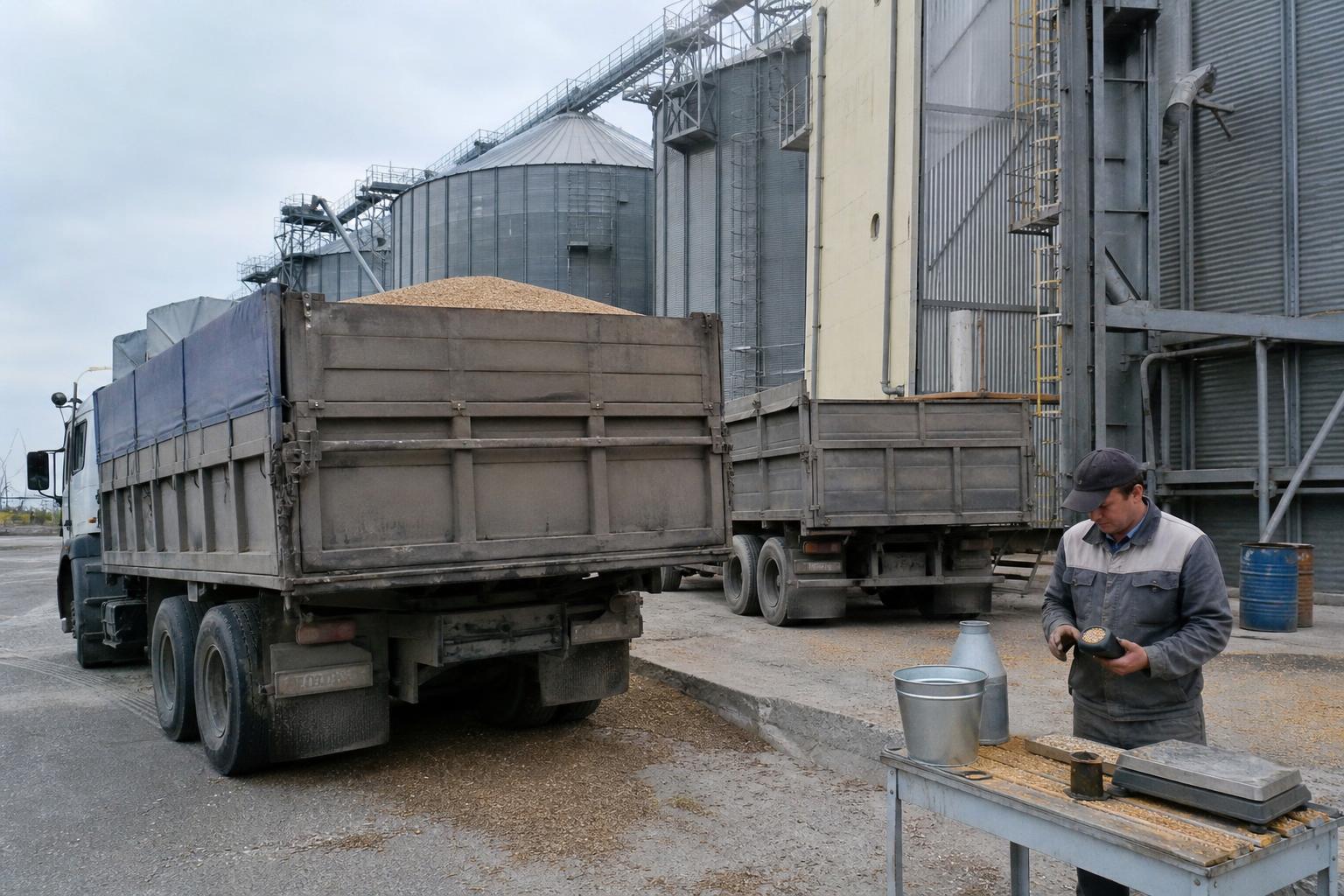
The Ukrainian grain market is entering a new season phase with two practical focuses: origin and batch status control at elevators, and logistics stability for domestic and export routes.
For AgroPost participants, this means that in sale or purchase announcements, not only crop, volume, and basis are important, but also quality documents, storage conditions, and elevator readiness to handle separate product flows.
New Rules for Elevators: GMO Must Be Separated from Non-GMO Products
From September 16, 2026, new requirements regarding GMO and GM products will come into effect for Ukrainian elevators. Law No. 3339-IX stipulates that during transportation and storage, operators must take measures to prevent mixing of such products with non-GMO products.
For elevators, this issue is not only about legal compliance but also operational discipline: separate batches, clear identification, control of grain movement routes, and documentation procedures can become critical for working with buyers who require confirmed product status.
Separate rules are also provided for the parallel use of GM crops. These should be established for different plant groups considering their biological features. If unregistered GMOs are detected at an elevator, the batch may be withdrawn from circulation and destroyed by the regulatory authority’s decision.
Control Costs May Affect Margins
GMO content testing could become an additional expense for elevators, traders, and large exporters. According to the Ukrainian Grain Association’s 2023 estimate, rapid testing of each batch during the season for an elevator with a capacity of 240,000 tons could cost around $120,000.
For a port terminal exporting 2–3 million tons annually, such costs were estimated at $1–1.5 million per year. Additional confirmation in accredited laboratories was valued at another 10–20 cents per ton.
These estimates are not current season prices but illustrate the potential scale of costs. For grain sellers, this underscores the importance of clarifying buyer requirements for testing and quality confirmation in advance, while buyers should specify in contracts who bears testing costs and quality verification responsibilities.
Regional Offer: Cherkasy Region Has Over 1.48 Million Tons of Grain
In Cherkasy, grain and leguminous crops are harvested from an area of 285.7 thousand hectares. A total of 1,484.8 thousand tons of grain have been harvested with an average yield of 52 c/ha.
For comparison, on the same date last year, the average yield in the region was 55.6 c/ha. While this does not allow conclusions about the overall Ukrainian balance, it serves as an important local signal for elevators, carriers, and buyers in the central region.
During the active grain inflow period, sellers should pre-book capacities, check acceptance schedules, and clarify testing requirements. Buyers should quickly secure quality batches with confirmed indicators, especially if a specific delivery basis is needed.
Logistics: Dredging of Waterways Remains a Long-term Factor
In the logistics sector, attention is drawn to NIBULON’s participation in establishing the "Ukraine Waterway Dredging Agency" Consortium. Participants announced work on technological solutions, scientific research, standards, personnel training, and international projects.
For the grain market, this is not an immediate price factor but could be significant for future water logistics recovery and infrastructure safety. For now, sellers and buyers should view such news as an infrastructural signal rather than a reason for immediate changes in commercial terms.
Key Takeaways for Agreements on AgroPost
- Clarify batch status: for non-GMO requirements, documents, tests, and transparent storage chain are crucial.
- Check the elevator: can it physically and documentarily separate different product flows?
- Record costs in contracts: testing, laboratory confirmation, and disputed analyses should be allocated between parties in advance.
- Plan logistics early: during active harvest, increased load on elevators, transport, and acceptance schedules should be considered.
What this means for the market: grain with confirmed quality, clear GMO status, and reliable elevator support can gain better negotiating positions. For buyers, the main goal is not only to secure volume but also to minimize risks of mixing, delays, and additional costs after signing agreements.
Comments
No comments yetNo comments yet - be the first.