
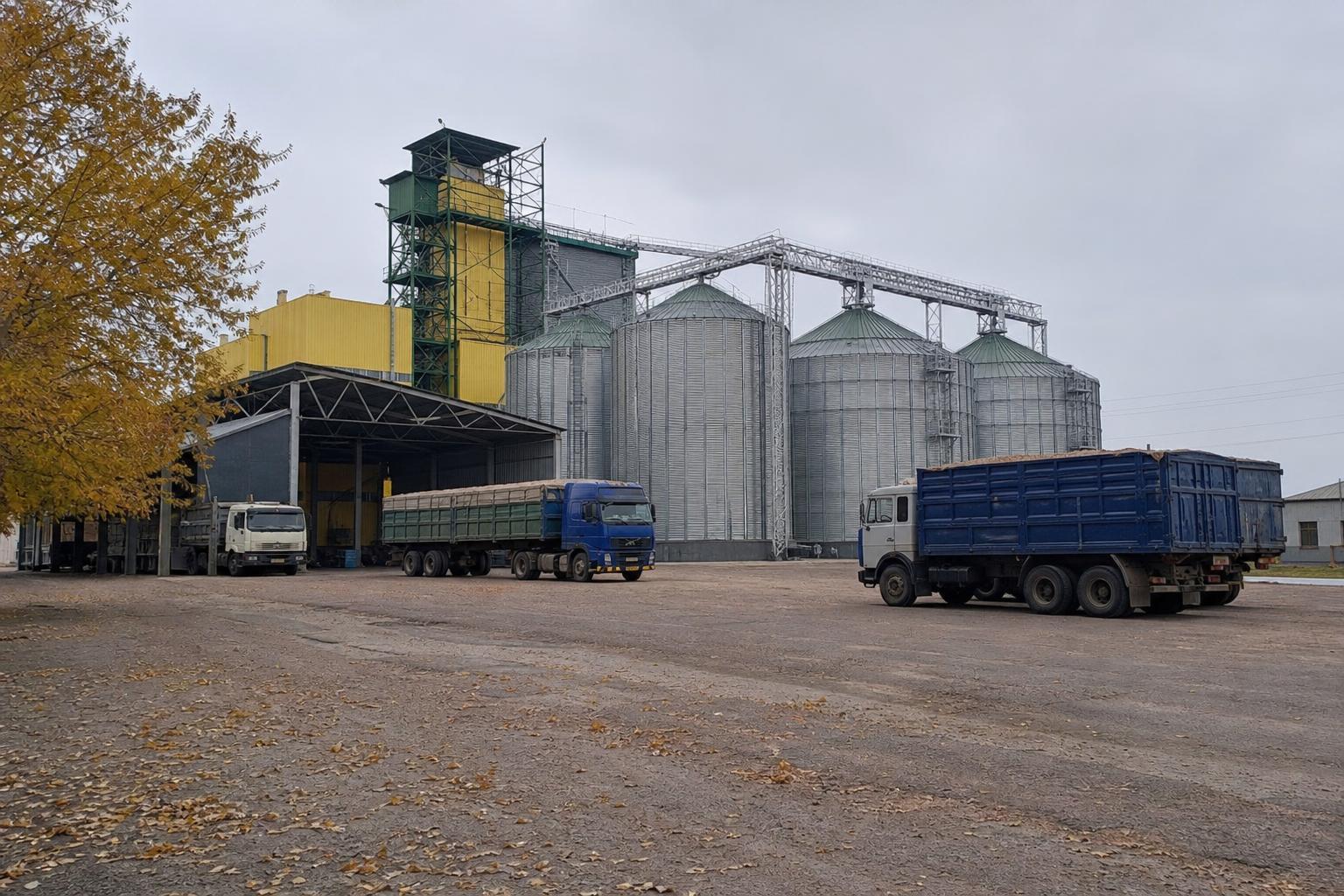
The Ukrainian grain market remains dependent on logistics, the state of elevator infrastructure, and the farmer’s ability not to sell the harvest immediately after collection. For AgroPost participants, this means that it is increasingly important to clearly specify the delivery basis, batch quality, transportation availability, and shipment deadlines in listings.
The provided market reports do not include a complete set of confirmed quotations specifically for wheat, corn, or barley. Therefore, this digest focuses on factors that directly influence grain transactions: elevators, storage, logistical basis, and the behavior of related commodity flows.
Logistics Remains Part of the Price
For grain sellers, the actual transaction price is formed not only in hryvnias per ton. Factors such as distance to the elevator or shipment point, queue at acceptance, transportation costs, the possibility of processing, and the speed of documentation all impact the final result.
It is notable that in the related oilseed segment, prices on the domestic market and towards ports or the western border are moving differently. According to market analysts, internal purchase prices for sunflower decreased more actively, while at ports and near the western border, DAP levels remained almost unchanged.
This is a practical signal for grain sellers: before selling, it is advisable to compare not just one “average” price but several scenarios — selling from the farm, delivering to the nearest elevator, exporting, or selling to a buyer with own logistics.
Elevator Infrastructure: A Risk to Consider in Transactions
Profiles in agricultural media have reported attacks on logistics and agricultural facilities, including mentions of damage to elevator infrastructure and flour mill trucks in Kharkiv region. Such events do not automatically predict price changes for grain but increase the importance of backup routes and alternative storage options.
For farms in frontline and logistically complex regions, it is crucial to have multiple options for selling the batch: local buyers, elevators with processing, traders with self-pickup, or deferred sales after stabilization of acceptance queues.
Storage Provides Sellers with More Time for Negotiations
An additional relevant aspect for grain farms is temporary storage. It was also mentioned that farmers from affected regions are planned to be provided with over 3,000 grain storage bags.
For sellers, this is not just technical support. Having storage reduces the need to sell grain during peak supply periods when buyers typically have a wider selection of batches. At the same time, storage bags do not replace quality control of moisture, contamination, and grain condition.
Key Takeaways for Sellers and Buyers on AgroPost
- Sellers should specify the price basis. The same batch can have different economics when sold from the field, from the elevator, or with delivery to the buyer.
- Batch quality should be described as accurately as possible. Moisture, impurities, grade, and readiness for shipment affect the speed of negotiations.
- Buyers need to clarify logistics immediately. Self-pickup, transportation costs, loading schedules, and document requirements are better agreed upon before fixing the price.
- Elevator services become part of the margin. Processing, drying, storage, and shipment speed can alter the overall profitability of the deal.
What this means for the market: In the nearest grain deals, not only the nominal price but the full logistical calculation can be decisive. AgroPost sellers should formulate offers with a clear basis, and buyers should confirm transportation and acceptance conditions promptly to avoid missing available batches.
Comments
No comments yetNo comments yet - be the first.