
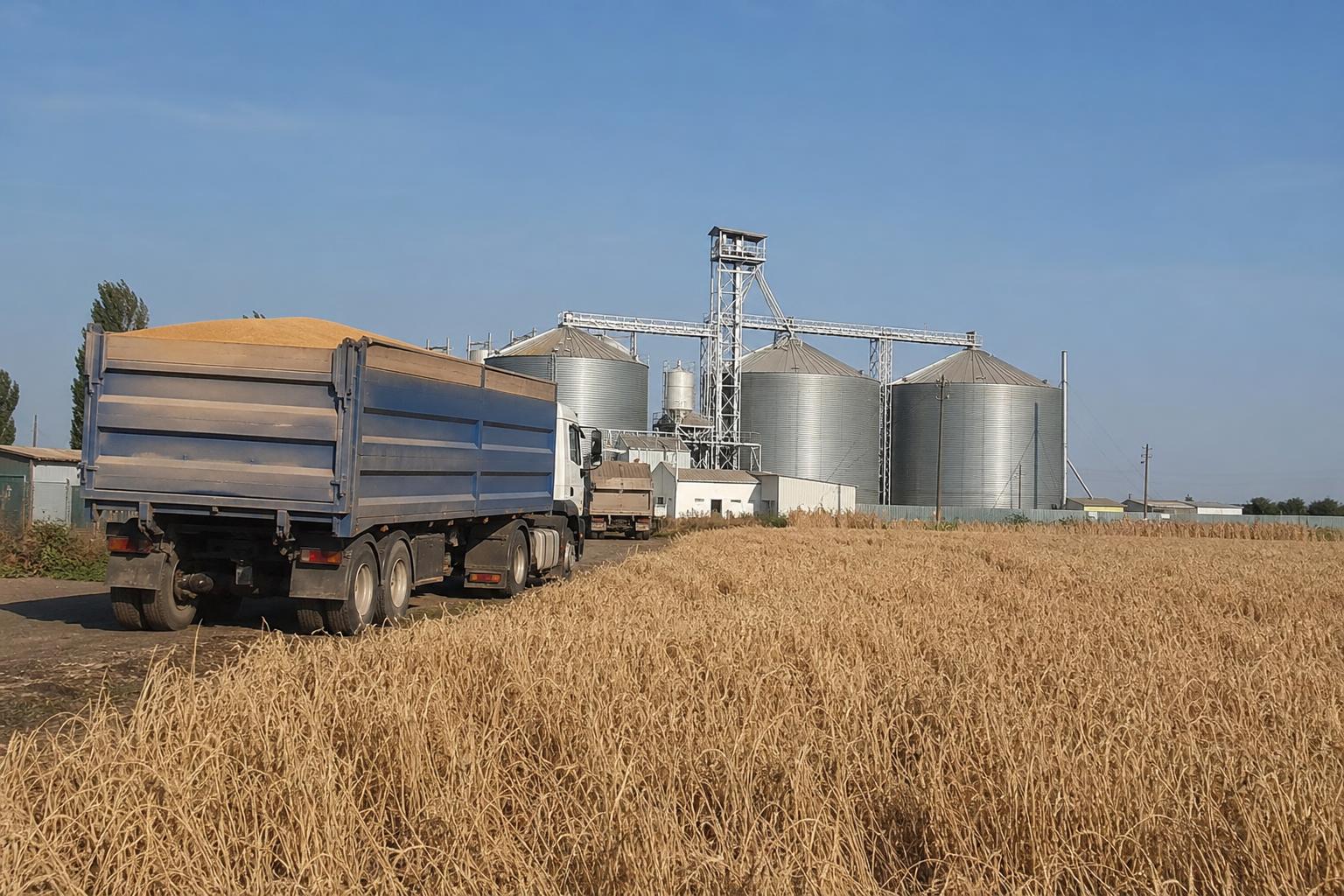
The Ukrainian grain market is entering a new season with two practical signals for agribusiness: the structure of winter sowing remains focused on wheat, and grain sales transactions require more careful documentation of pricing conditions.
For sellers, buyers, and elevators, this means the need to plan in advance the volumes, quality, storage, and price benchmarks, especially in the segments of food and feed wheat.
Wheat remains the key winter crop in Prykarpattia
The sowing campaign for winter crops for the 2027 harvest has started in Ivano-Frankivsk region. According to published data, the total projected area of winter grains in the region is 56.8 thousand hectares.
The largest share is occupied by winter wheat — 46.5 thousand hectares. Plans also include 9 thousand hectares for winter barley and 1.3 thousand hectares for rye.
By the end of August, farmers in the region had already begun sowing winter wheat. At the time of reporting, 4.9 thousand hectares had been sown, or 11% of the planned area.
Separately, sowing of winter rapeseed is ongoing in the region: 15.1 thousand hectares have been sown, which is 64% of the forecast. However, for the grain market, the main focus remains on the pace and area of wheat sowing, as it will shape the future grain supply in the region.
Climate factor: timing remains, but risks are increasing
Regional authorities note that western regions are experiencing shifts in climate toward warmer and drier periods. At the same time, traditional sowing timelines are currently maintained.
For producers, this is not an automatic signal to change technology but an incentive to more carefully monitor soil moisture, condition, and seed quality. For buyers and elevators, it is a reminder that the future quality of batches will depend not only on the areas but also on the conditions of the crop entering winter.
Grain prices: the market is paying closer attention to transaction justification
The Bureau of Economic Security (BEB) reported suspicion against a former director of a state agricultural enterprise in Poltava region. According to BEB, in 2023, the enterprise sold wheat, sunflower, corn, and other crops at prices below market levels.
The report states that wheat was sold at 4,600–4,700 UAH/ton, while the market benchmark was 6,700–7,300 UAH/ton. Sunflower was sold at 8,800 UAH/ton instead of nearly 11,600 UAH/ton.
BEB estimates that such operations caused the state enterprise to lose nearly 2.7 million UAH. Pre-trial investigation is ongoing.
For grain market participants, this case is important not as a price forecast but as an example of risks in contractual work. If a batch is sold at a discount, it is essential to have a clear explanation: quality, moisture, contamination, urgency of delivery, logistics conditions, or other verified parameters.
Practical conclusions for AgroPost marketplace
- For grain sellers: specify crop type, class, moisture, delivery basis, batch volume, and preferred dispatch date.
- For buyers: compare not only the price per ton but also logistics, processing, and storage costs.
- For elevators: communicate acceptance conditions, tariffs, drying options, and shipment schedules in advance.
- For all parties involved: keep market benchmarks and documents explaining the agreed price.
What this means for the market: winter wheat remains a fundamental crop for planning the upcoming grain season, and properly documented agreements are as crucial as the price itself. At AgroPost, this reinforces demand for transparent listings with clear batch parameters and delivery conditions.
Comments
No comments yetNo comments yet - be the first.