
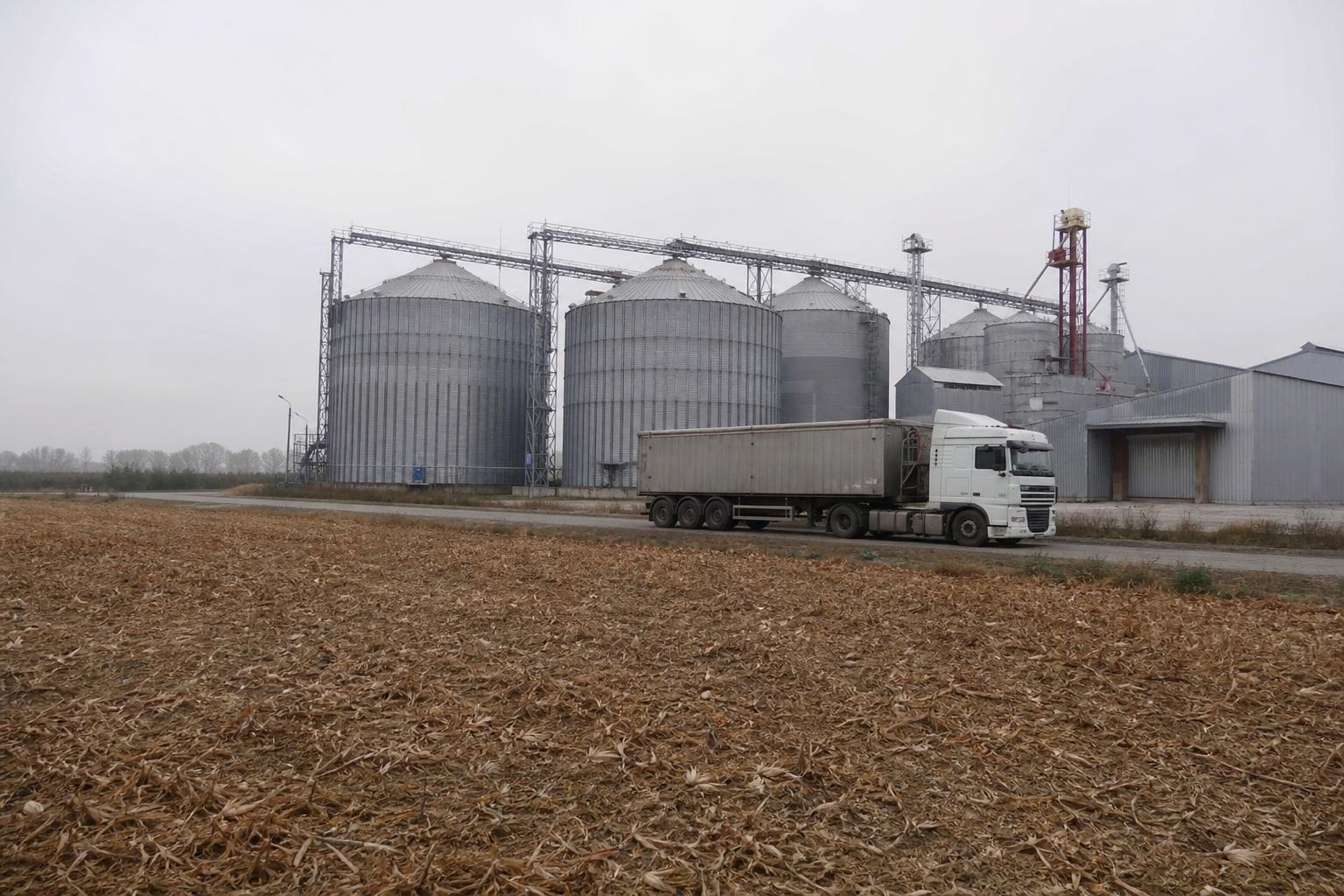
The Ukrainian grain market enters the autumn season with two key signals: the start of winter crop sowing and heightened risks related to storage and logistics.
For sellers and buyers on AgroPost, this means that negotiations will increasingly focus not only on future harvest volumes but also on access to reliable elevators, conditions for grain acceptance, storage, and shipment.
Winter Grain Sowing: Starting with a Lower Area Forecast
As of September 1, Ukraine had sown 10.1 thousand hectares of winter grains. This represents 0.3% of the projected 3.877 million hectares.
The current forecast for winter crop areas is nearly 300,000 hectares lower than last year’s result, when 4.045 million hectares were sown.
The largest portion of the plan traditionally falls on winter wheat. As of the reporting date, 8.9 thousand hectares had been sown in Ivano-Frankivsk and Kherson regions, or 0.3% of the national forecast of 3.341 million hectares.
Winter barley has been sown on 0.7 thousand hectares, accounting for 0.1% of the 491,000-hectare plan. Winter rye has been sown on 0.5 thousand hectares, or 1.1% of the forecasted 45.7 thousand hectares.
Initial Figures for Grain Sellers: What They Show
The early sowing pace does not yet provide a complete picture of future supply. At this stage, it is more important to monitor changes in area forecasts and regional dynamics rather than the percentage of completion.
A lower plan for winter grains may influence market participants’ expectations regarding crop structure, but final conclusions should be drawn after the active sowing phase and assessment of seedling conditions.
For farms planning to sell grain via a marketplace, practical steps include early preparation of commodity positions: crop type, quality class or expected parameters, delivery basis, storage availability, and the ability to quickly ship.
Elevators: Military Risk Insurance Becomes More Complex
An additional factor for the grain market is the availability of insurance for large infrastructure facilities. Market reports indicate that Ukrainian enterprises are increasingly facing difficulties insuring elevators and logistics warehouses against military risks.
Insurers may refuse coverage or offer it at prices considered too high by businesses. The most challenging situation is for large stationary facilities that cannot be relocated to safer areas.
At the same time, insurance for smaller mass facilities, including vehicles, individual agricultural machinery, and small real estate, remains more accessible.
For the elevator segment, this means that risk costs may more frequently be reflected in commercial terms: storage tariffs, contractual requirements, shipment schedules, and counterparty selection.
Key Takeaways for Agreements on AgroPost
- Grain sellers should clarify in advance where the batch will be stored and what documents the elevator can provide.
- Buyers should verify not only the price but also the seller’s logistical readiness: storage location, loading capacity, and shipment timelines.
- Elevators should clearly communicate acceptance, storage, drying, processing conditions, and risks included or excluded in the contract.
- Traders need to carefully evaluate the contract execution chain, especially if the batch is linked to a large stationary facility.
Implications for the Market
The autumn grain season begins with cautious expectations: the forecasted area for winter crops is lower than last year, and infrastructural risks remain a significant factor for trade. This situation emphasizes the importance of transparent announcements, confirmed storage conditions, and realistic logistics arrangements for market participants.
Comments
No comments yetNo comments yet - be the first.