
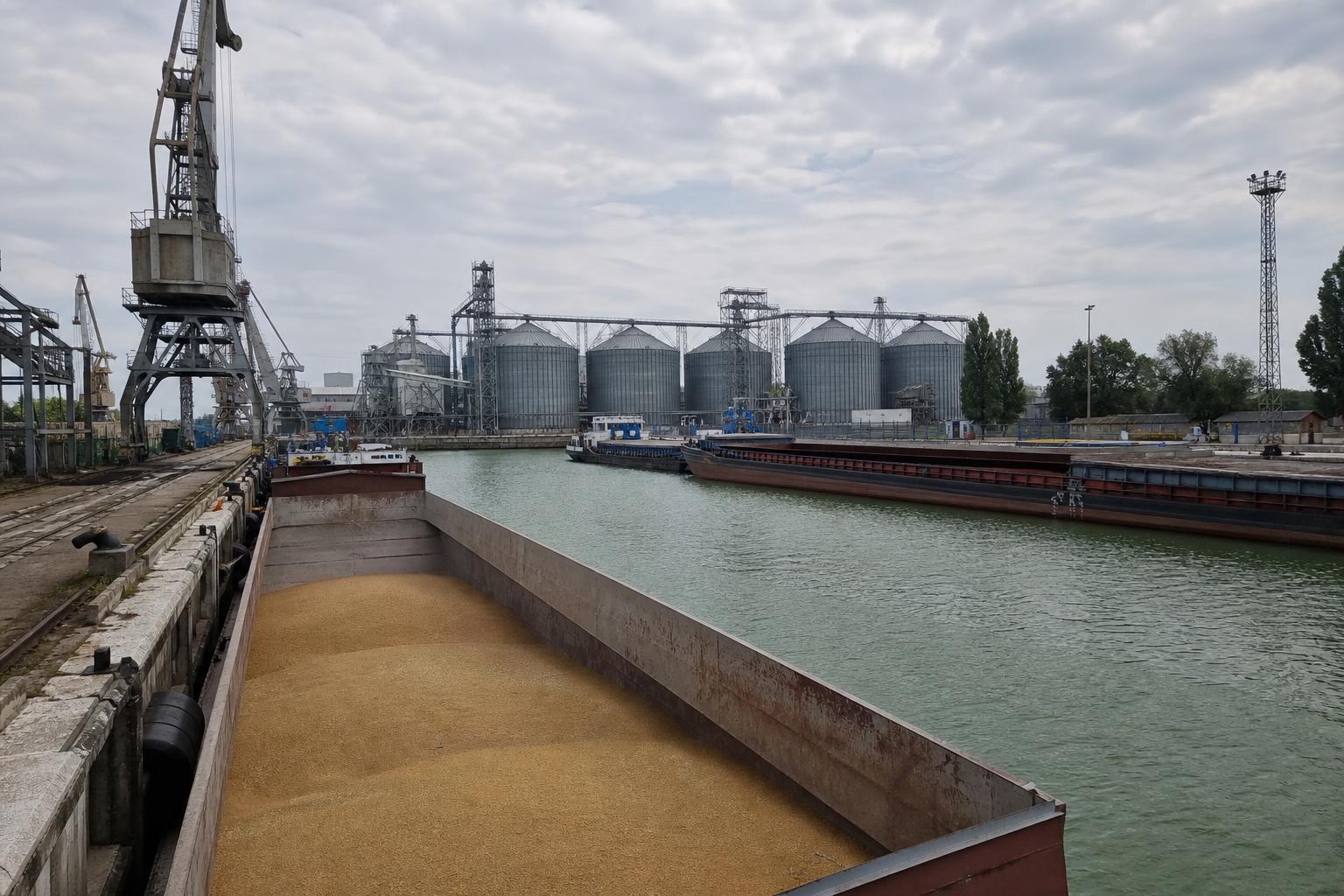
Once again, the logistics factor has intensified in Ukraine's grain market: transportation costs from Danube ports to Egypt have significantly risen. For grain sellers, this means that port prices and farmgate prices may diverge more than expected at the end of August.
According to ASAP Agri, as of August 31, the freight rate from Ukrainian Danube ports to Egypt was estimated at $90–95/ton. This is approximately $13/ton higher than the previous Thursday and roughly $27/ton more than on August 20.
What drives transportation costs
The main factors behind the increase are a shortage of available fleet, high demand for transportation, and complications passing through the Suez Canal. For grain cargoes, this creates additional uncertainty at a time when exporters are forming batches and planning shipments.
The Danube route remains important for Ukrainian exports, but the sharp rise in freight costs reduces deal flexibility. When logistics components change by tens of dollars per ton over a short period, buyers and sellers incorporate higher risk into the price.
Price gap with Constanța
For comparison, freight from Romanian Constanța to Egypt is estimated at around $30/ton. The difference with Ukrainian Danube ports demonstrates how access to fleets, queues, and route capacity have become crucial.
This gap does not automatically mean all cargo will switch to alternative routes, but it influences negotiations. Buyers scrutinize the delivery basis more carefully, and sellers must consider not only the grain price but also the actual cost of bringing the batch to the export channel.
What elevators and traders should pay attention to
- Fixing logistics. Before confirming prices, it is advisable to update freight indicators, as rates change rapidly.
- Delivery basis. Contracts should clearly separate grain price, transshipment, waiting times, and sea or river transportation.
- Batch planning. For elevators, it is critical to synchronize grain accumulation with actual vessel availability to avoid unnecessary costs for delays and storage.
- Comparison of sales channels. If the export route becomes significantly more expensive, some sellers may more actively consider domestic buyers or alternative logistics options.
Practical advice for sellers on AgroPost
During periods of volatile freight rates, it is important to specify the shipment location, available volume, quality indicators, and readiness for quick processing in sale announcements. This helps buyers assess the full economics of the deal more quickly.
Buyers seeking grain near elevators or transport hubs should compare not only the price per ton but also the delivery costs to the chosen route. When freight rates are high, even small differences in delivery margins can impact the final outcome.
What this means for the market
The sharp increase in Danube freight to Egypt emphasizes the role of logistics in shaping grain prices in Ukraine. For agricultural producers, elevators, and traders, it is crucial in the near term to verify current rates before concluding deals and not to rely solely on export prices without full route calculations.
Comments
No comments yetNo comments yet - be the first.