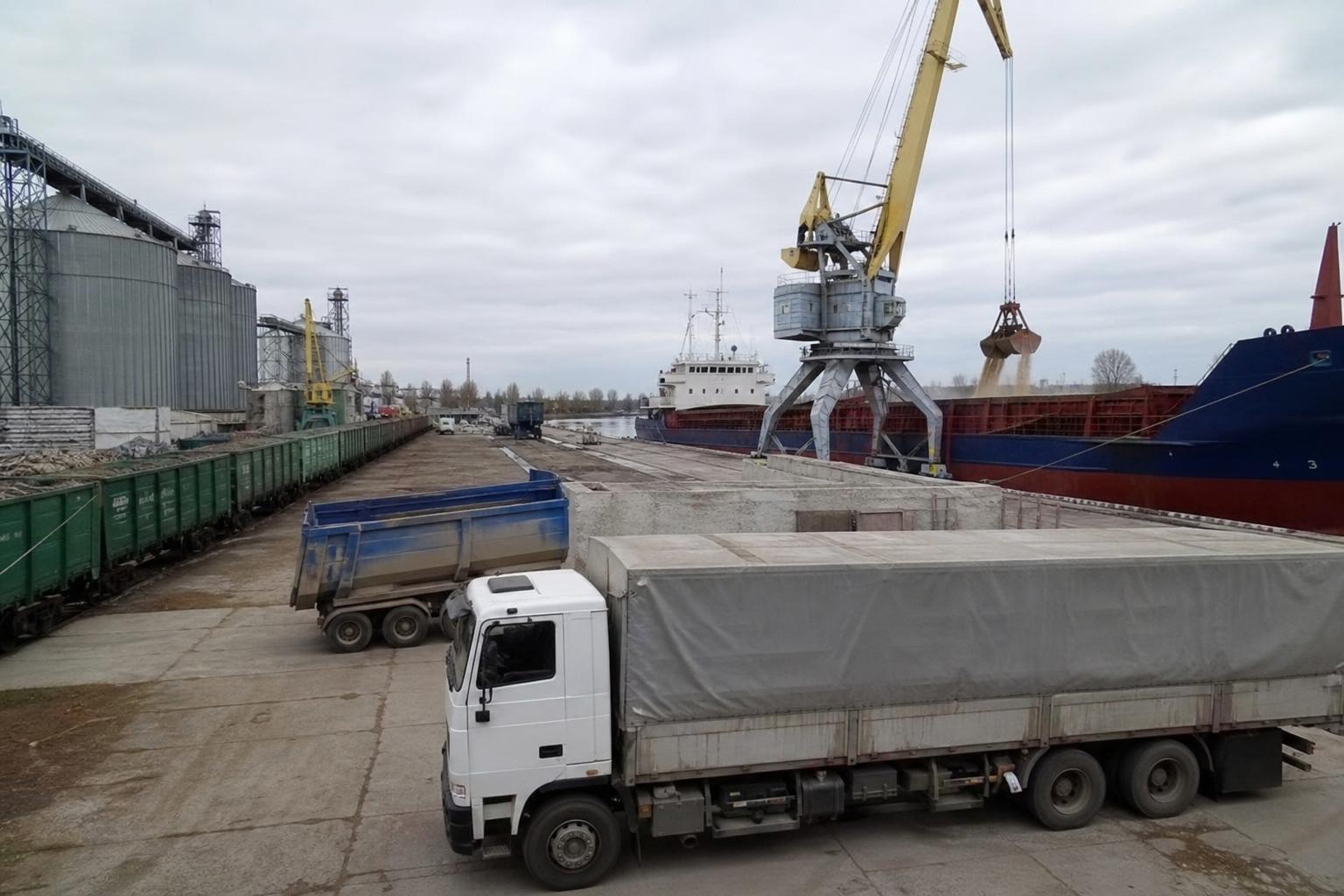
Danube Freight to Egypt Rises to $90–95/ton: Impact on Grain Logistics
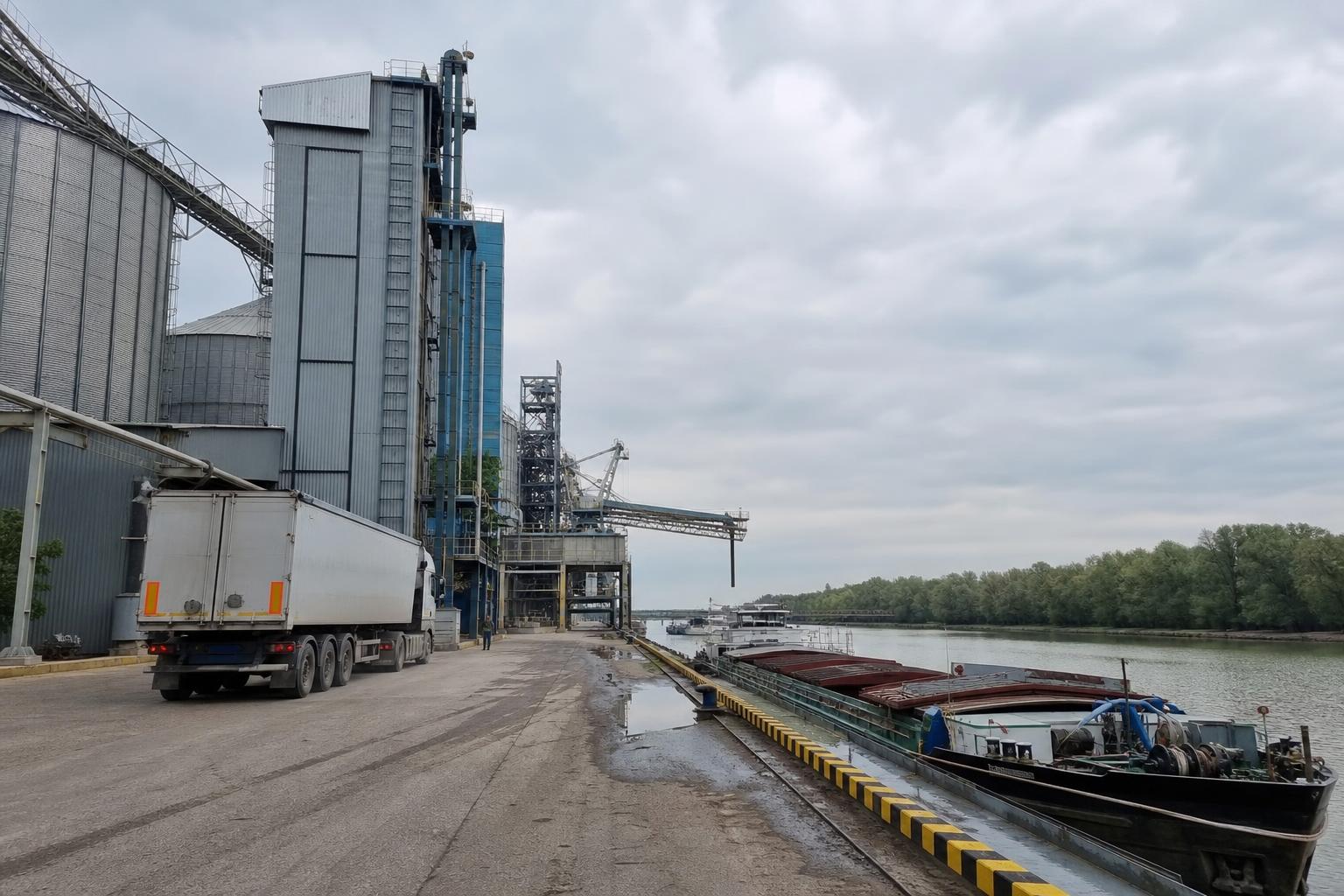
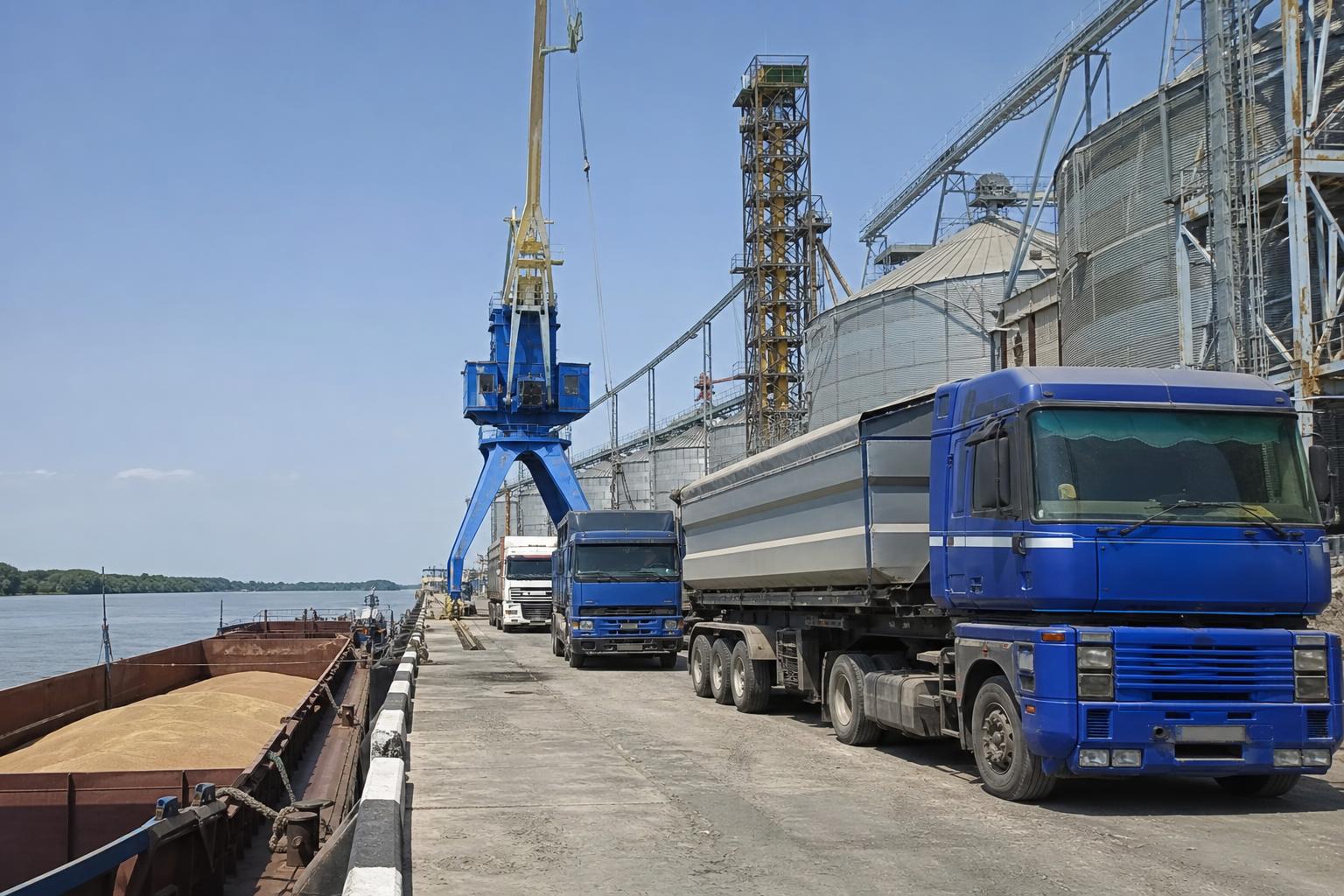
Rates from Ukrainian Danube ports to Egypt increased to $90–95/ton as of August 31. The market reacts to fleet shortages, high demand, and Suez Canal congestion.
Agropost
We collect original digests and analytical notes based on facts, market signals and verified sources.
Romania supports increased transit of Ukrainian grain through Constanța port, while Ukrainian elevators face more complex war risk insurance. This impacts exporters, importers, and logistics providers.
Rates from Ukrainian Danube ports to Egypt increased to $90–95/ton as of August 31. The market reacts to fleet shortages, high demand, and Suez Canal congestion.
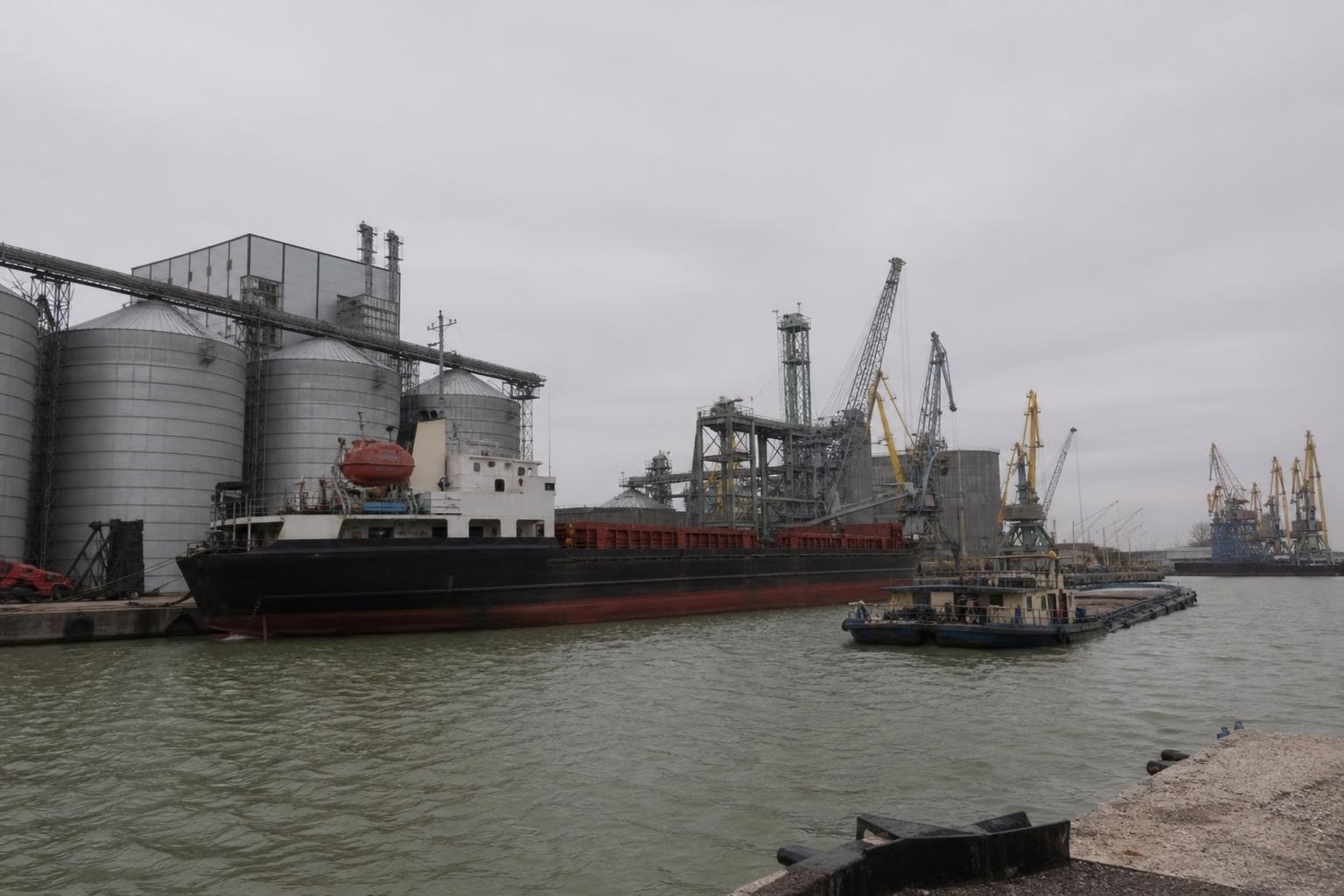
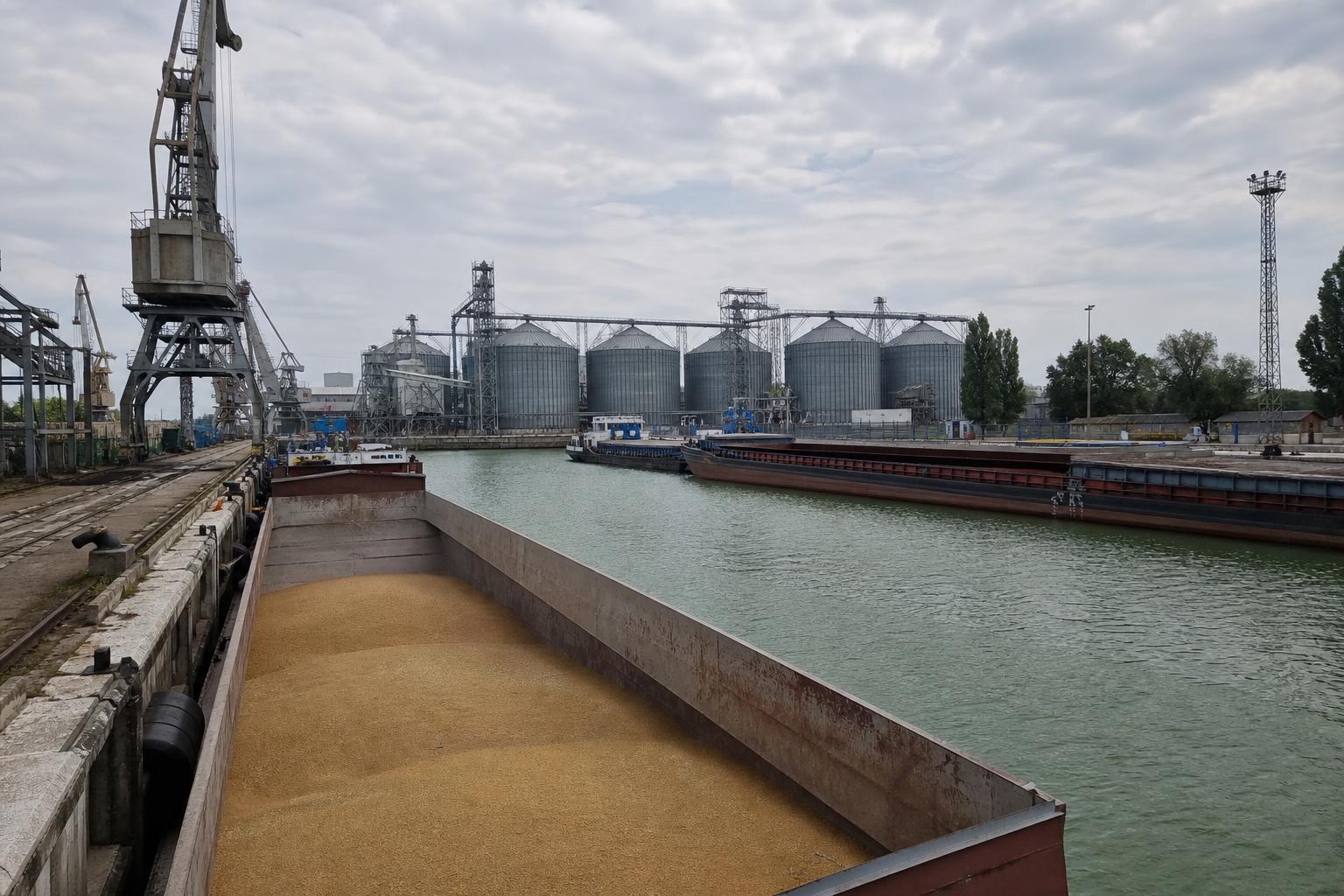
Freight rates from Ukrainian Danube ports to Egypt, according to ASAP Agri, reached $90–95/ton as of August 31. Over 10 days, this increase is estimated at about $27/ton, intensifying pressure on export margins and prompting more careful logistics planning when selling grain.
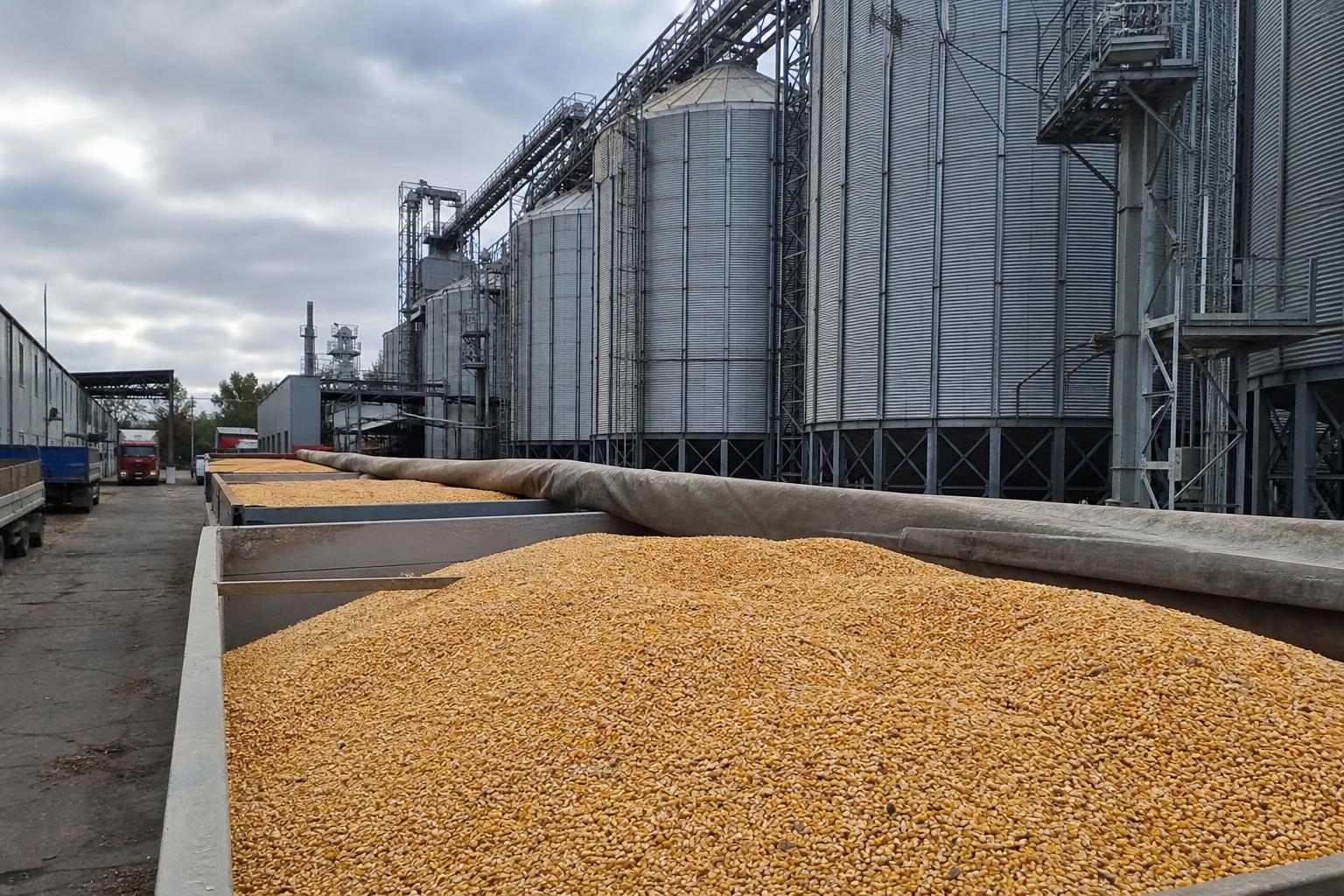
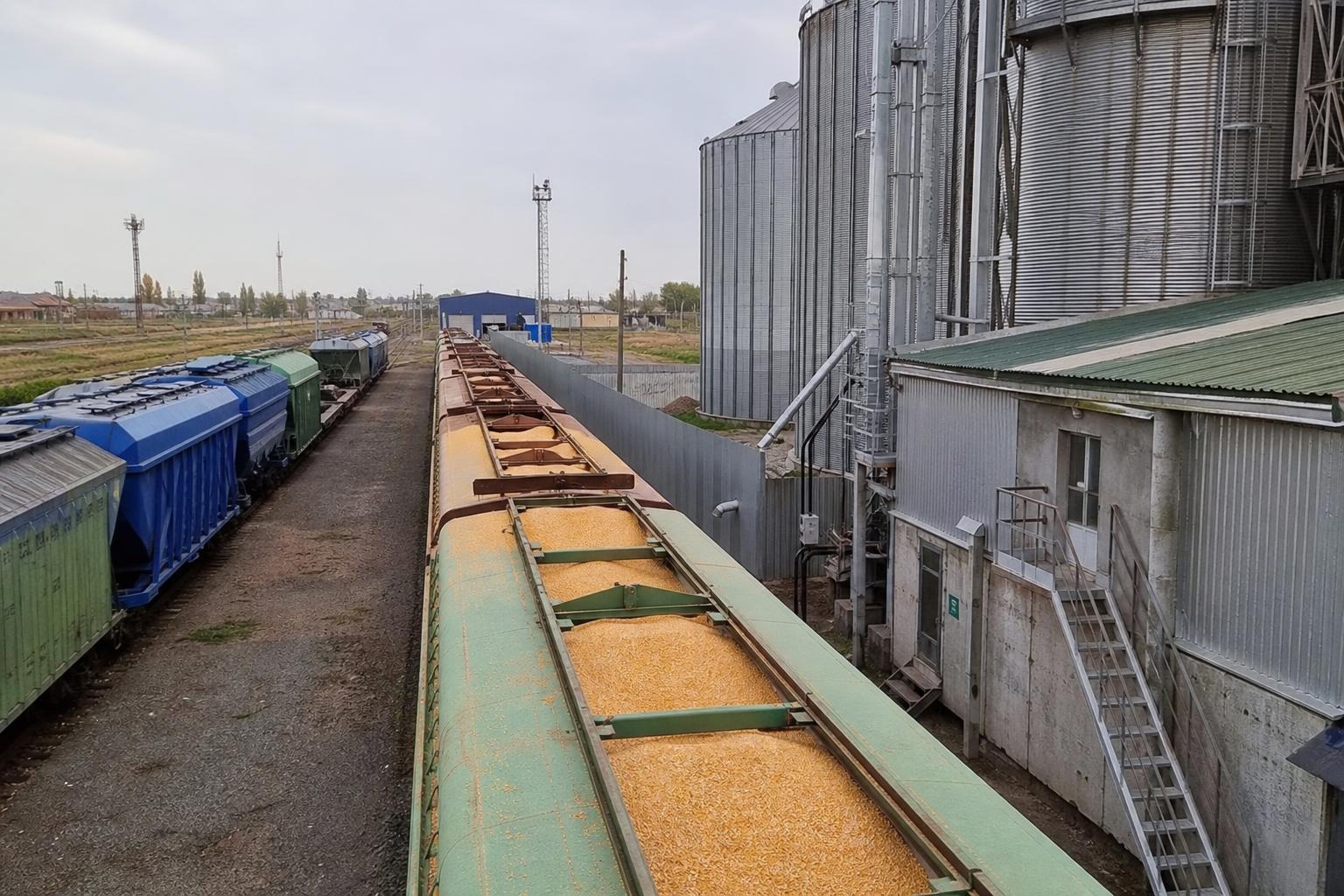
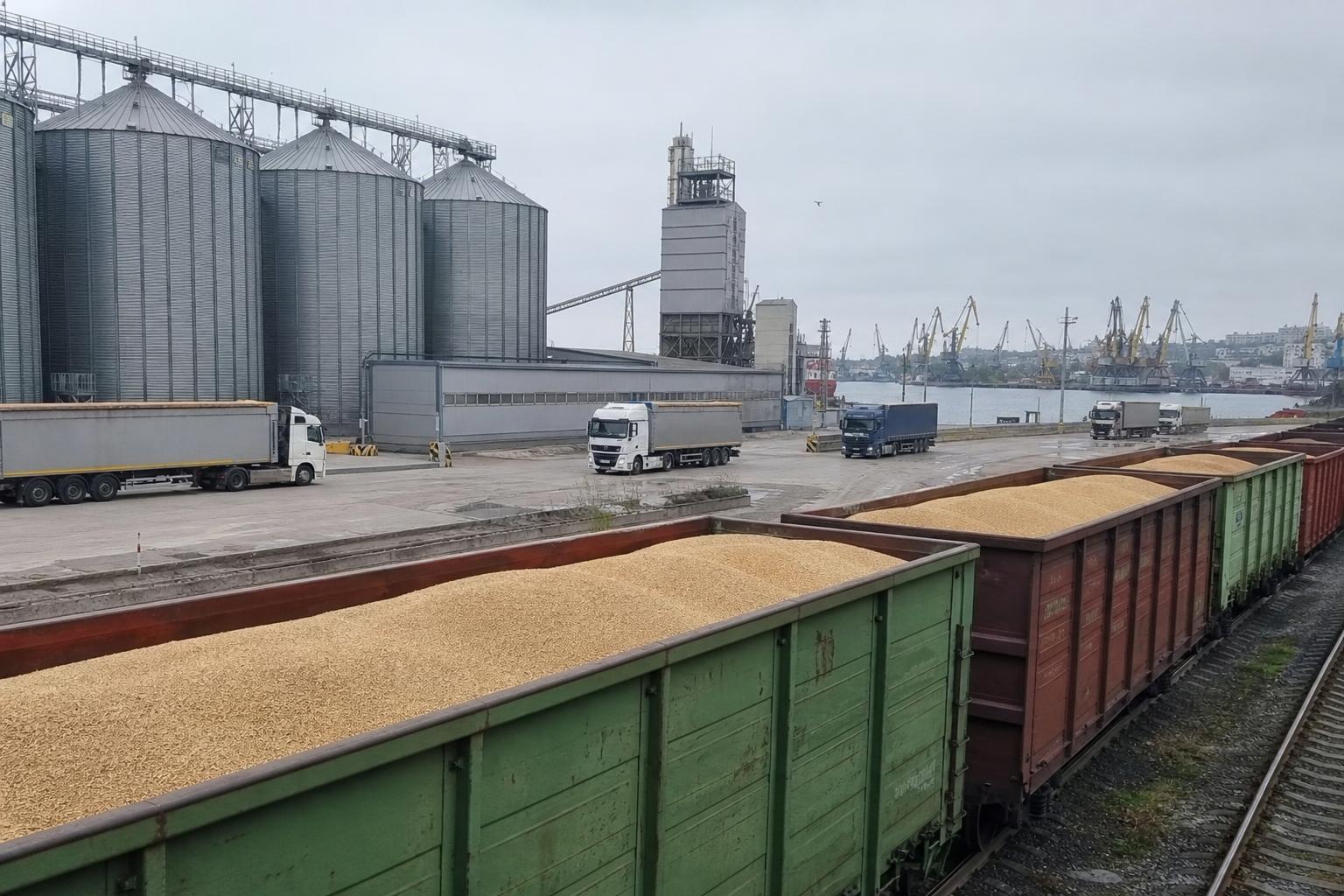
In early September, Ukrainian agrilogistics remains under pressure: rising freight rates from Danube ports, limited tonnage complicate exports, and small producers have weaker positions in accessing railcars, trucks, and storage.
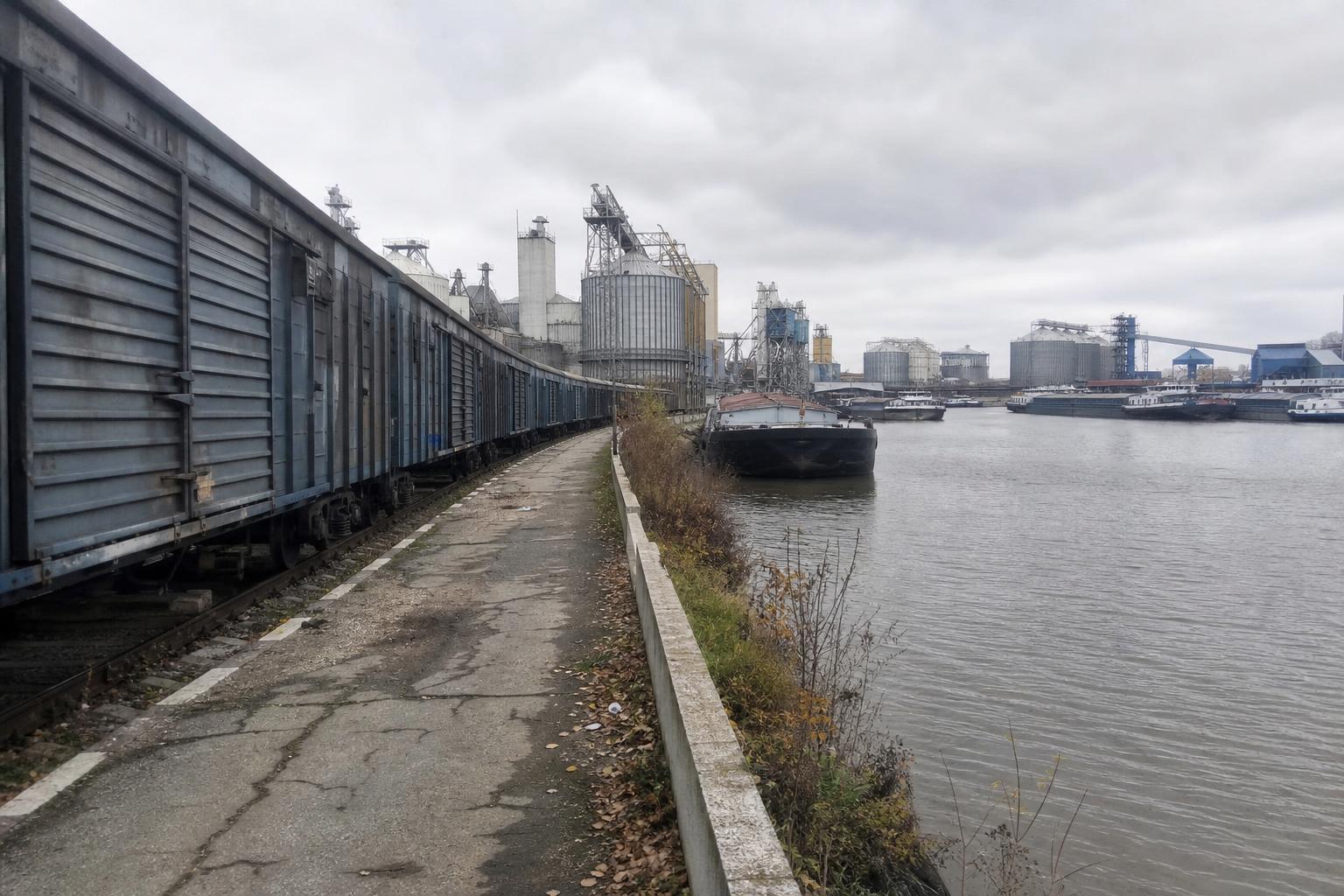
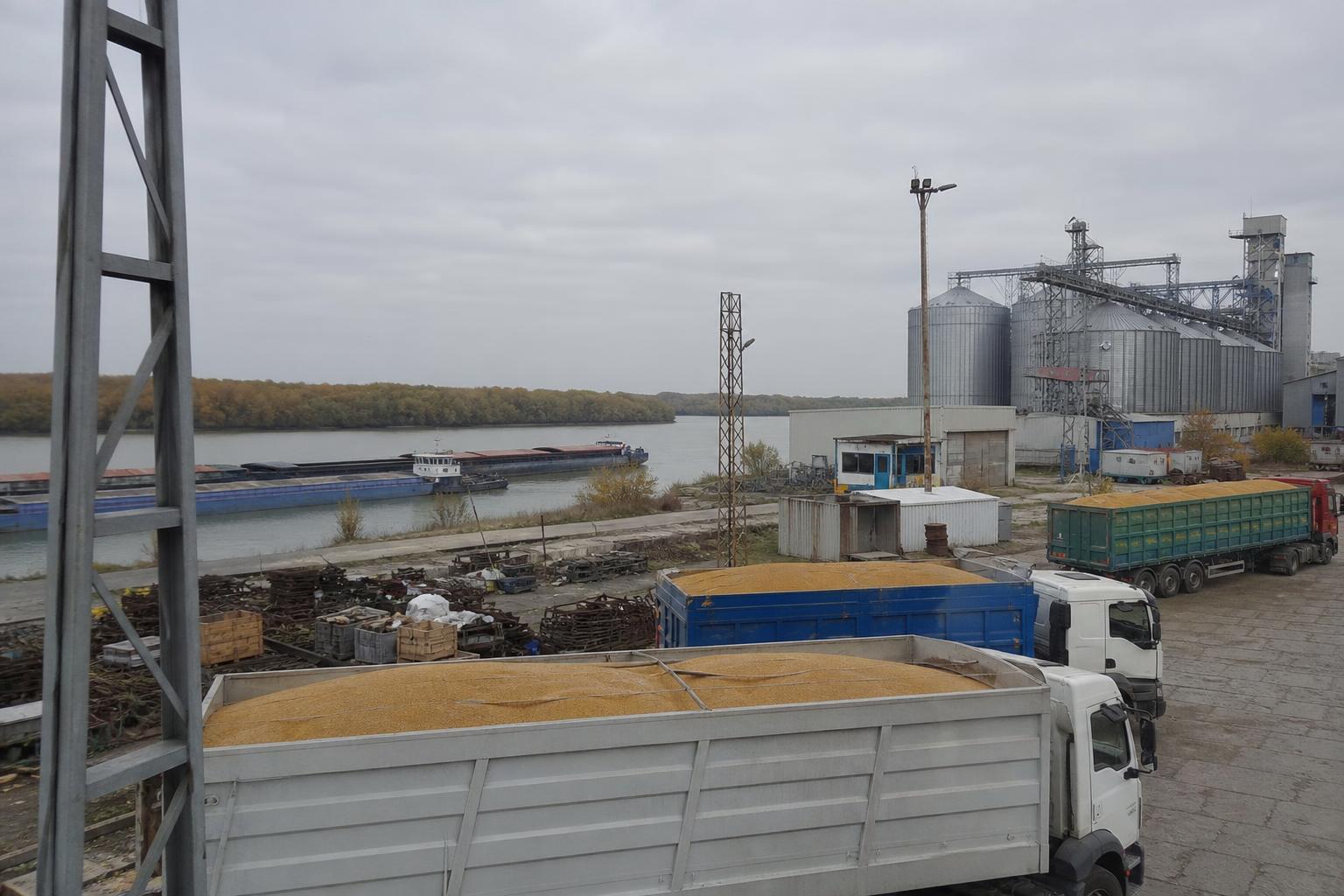
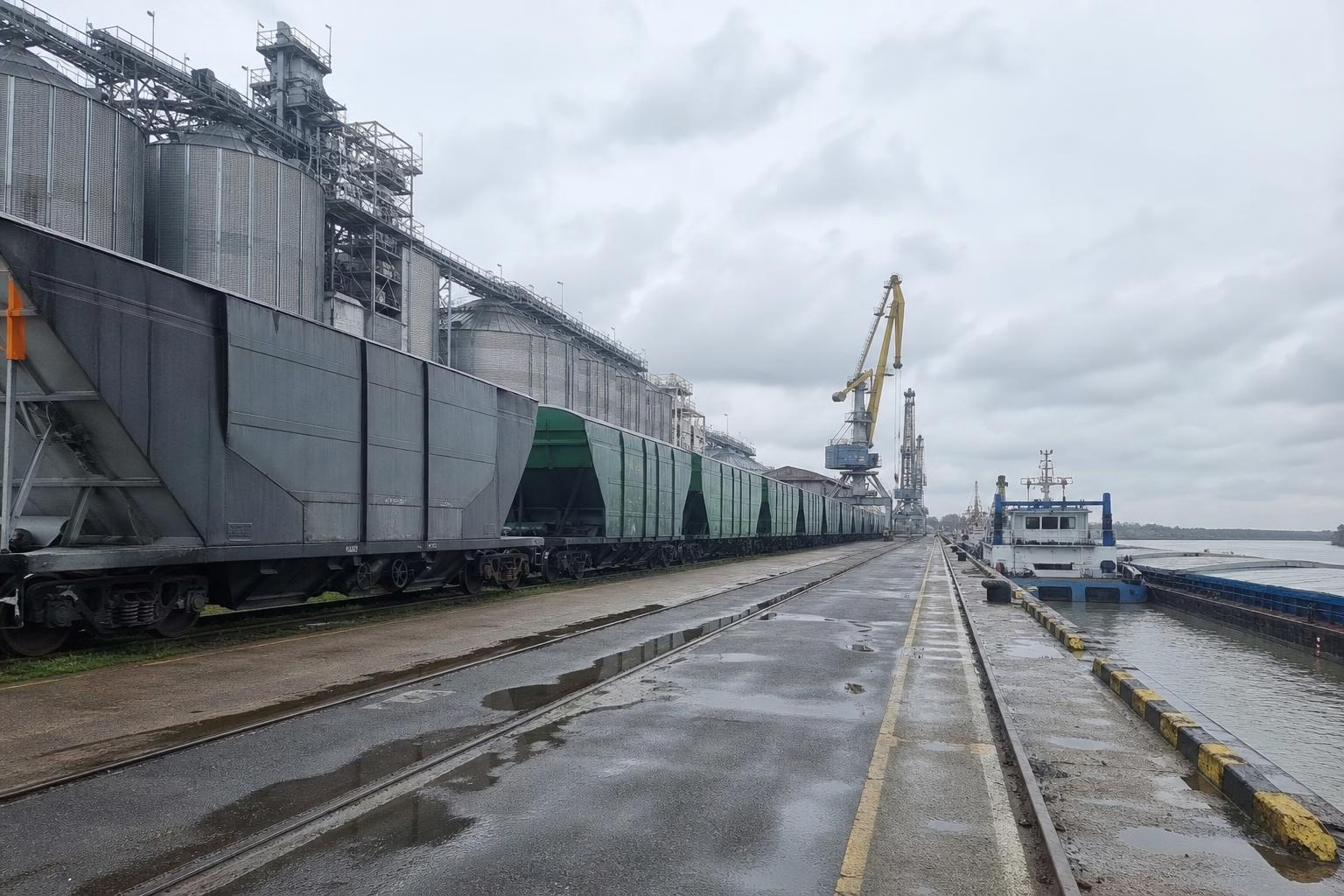
Ukrainian agricultural exports are experiencing a new logistical focus: after procurement difficulties at the western land border, some flows are increasingly moving through Danube ports and Constanța. For sellers and buyers, this means that product prices are becoming more dependent on route availability, delivery times, and idle costs.
Ukrainian agro-export faces a complex period: deepwater ports operate with risks, August grain shipments may be the weakest during full-scale war, and the oilseed market depends on route availability and transportation costs.
In the first half of August, Ukraine exported 900,000 tons of agricultural products, with grain experiencing the deepest decline due to logistical challenges. Clear delivery terms, routes, and rapid transport booking are key for traders on AgroPost.
As of August 17, Ukraine has harvested over 30.8 million tons of grains and legumes, with rapeseed harvest nearly complete. This increases demand for transport, elevators, transshipment, and export routes, especially via the Danube.
Due to risks in Black Sea ports, the Danube's low water levels, and increased border congestion, Ukrainian agri-export increasingly relies on rail, road, and transit through Poland and Romania. For grain sellers, this means considering not only elevator prices but also accessible routes.
Due to risks in maritime export, Ukrainian grain sellers are increasingly focusing on the western border, Danube, and Polish transit. This affects new crop corn forward prices and raises storage and shipment issues for elevators.
The Ukrainian wheat market is reevaluating logistics: the route through Romania's Constanța becomes profitable only at higher global prices, while scanning of wagons at the Polish border is being prepared for faster control. For sellers, elevators, and buyers, this means increased attention to delivery basis, shipment deadlines, and alternative routes' costs.
Limited port operations have reduced liquidity in the grain market at port basis. Exporters are rerouting through the Danube and western border, but capacity and infrastructure constraints slow activity.
Indicative prices for corn and wheat in Ukraine have decreased, with trade shifting from deep-water ports to the Danube and western border. Producers are cautious about selling the new harvest, while buyers are working carefully due to logistical risks.
Sign in to manage requests, save contacts and respond to market offers quickly.
Continue with GoogleSign in to manage requests, save contacts and respond to market offers quickly.
Continue with GoogleEnter your email and we will send a password reset link.
Don't have an account?