
Ukrainian grain exports enter September with high logistics costs and fierce transportation competition. The greatest pressure is felt by producers who lack their own railcars, fleet, elevator capacities, or long-term contracts with carriers.
For grain sellers on AgroPost, this means that in the price of a shipment, not only quality and volume become increasingly important, but also storage location, readiness for dispatch, and a realistic delivery route.
Danube Route: Freight Continues to Increase
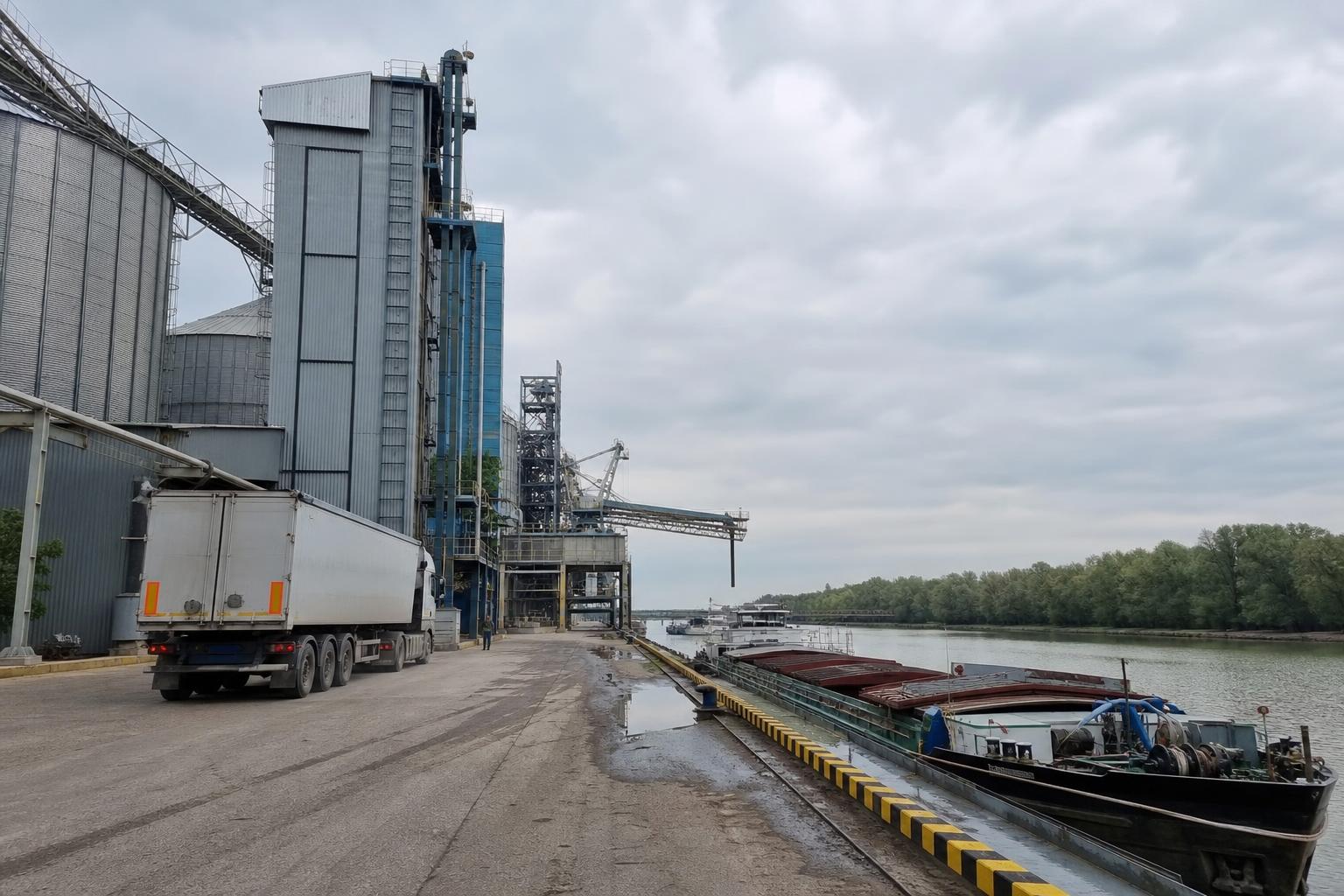
According to market data, freight rates for transporting grains from Ukrainian Danube ports are rising due to queues at the Sulina Canal, a shortage of available tonnage, and increased risks for shipowners.
Broker estimates show that transporting a 6,000-ton maize shipment from Danube ports to Egypt has increased by approximately $9/ton, reaching $75–77/ton. According to market reports, about 70 ships are currently queued to pass through the Sulina Canal.
Barge transportation is also becoming more expensive. An additional factor is the low water levels on the Danube, which limit tonnage availability and strengthen shipowners' negotiating positions.
Small Producers Have Weaker Negotiating Power
The logistics problem is especially acute for small and medium-sized farmers. Representatives of farming associations note that large agroholdings have more options for exporting their products: their own trucks, railcars, elevators, and established sales channels.
Farmers without access to storage are often forced to sell their harvest faster and at lower prices than planned. This increases their dependence on buyers who can accumulate grain, wait for better prices, and organize export logistics independently.
Market participants also highlight maize: due to difficulties in transportation and a lack of grain storage facilities, some producers may delay harvesting or seek local buyers with self-pickup options.
Documents and Storage Become Part of Logistics Preparation
For exporting maize and soy to China, Ukrainian companies must submit documents to be included in the lists of exporters and storage facilities. This specifically refers to lists for maize, soy, exporters, and warehouses.
The key requirement is confirmation of phytosanitary procedures at the cultivation and storage sites. Documents must be submitted to the State Food Safety and Consumer Protection Service by October 15, 2026, after which the information will be forwarded to Chinese authorities.
This serves as another reminder for the market: export logistics start not with finding transport but with prepared storage, documentation, traceability of shipments, and compliance with the buyer country’s requirements.
Key Takeaways for Sellers and Buyers on AgroPost
- Grain sellers should immediately specify storage location, loading availability, self-pickup options, and preferred shipment dates.
- Buyers should verify whether the seller has the physical capacity to quickly dispatch the shipment, especially if the product is not stored at an elevator.
- Exporters need to factor in freight rate increases, delays on the Danube route, and limited vessel availability into their margins.
- Maize and soy producers targeting China should prepare documents regarding cultivation and storage locations in advance.
What this means for the market: logistics remains one of the main price factors for grain in Ukraine. Shipments with confirmed storage, clear routes, and readiness for quick dispatch will have an advantage over offers where transport and documents are not yet prepared.
Comments
No comments yetNo comments yet - be the first.