
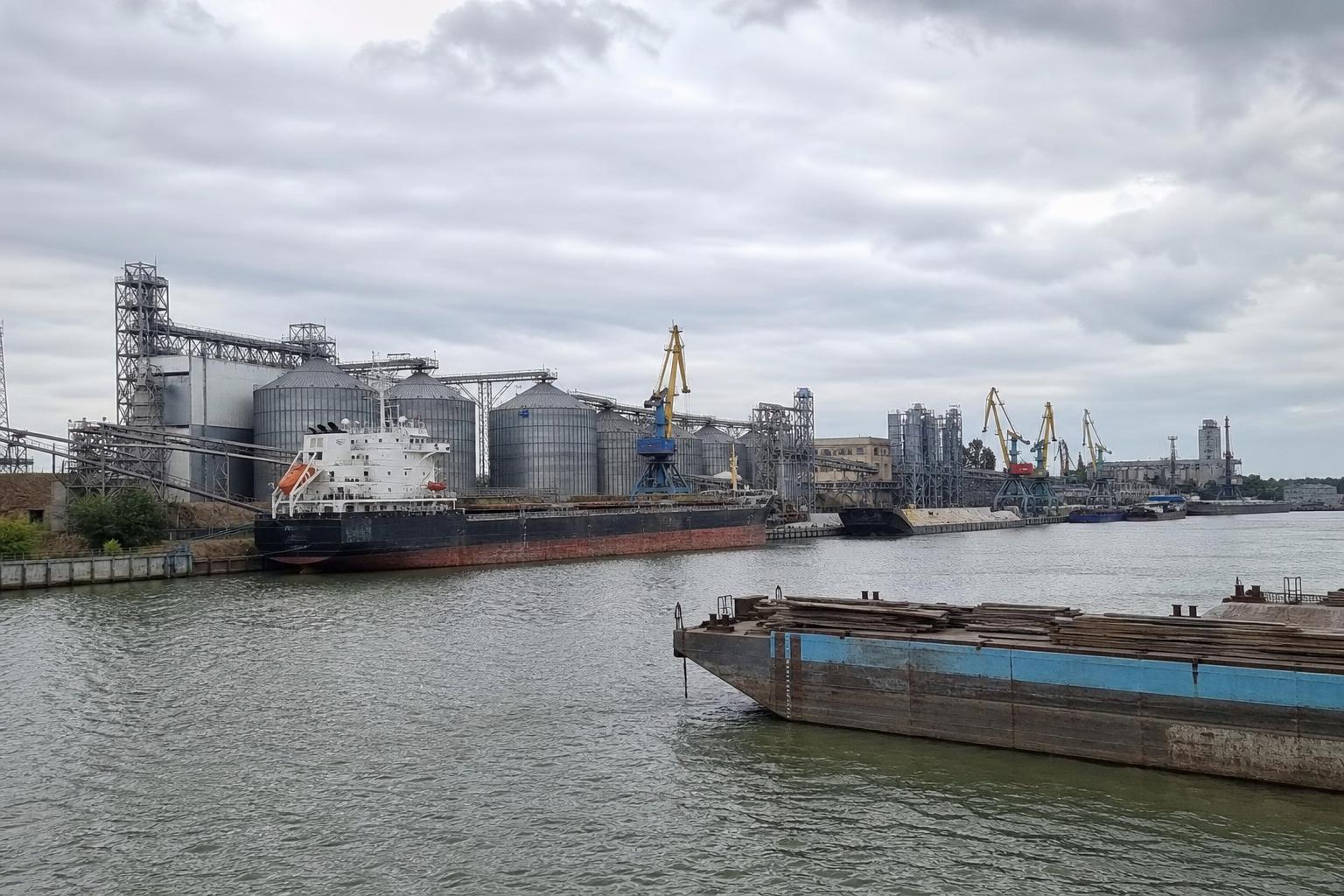
Ukrainian agricultural logistics is once again entering a period of heightened uncertainty. The most significant pressure is currently felt in the Danube direction, where limited vessel availability and delays at the Sulin Channel affect shipping costs and predictability of exports.
For agricultural producers, traders, and grain buyers, this is not only a matter of freight. Logistic risks are already reflected in global wheat prices, as the market reacts attentively to any disruptions in the Black Sea region.
Container shipments from Reni and Izmail: almost no offers
On the Ukrainian freight market, for the second consecutive week, there have been virtually no offers for container shipments from the ports of Reni and Izmail. Market participants associate this with limited vessel availability and increased risks of voyage execution.
This shortage means exporters have fewer options for quick vessel booking. Practically, this could complicate fulfilling contracts with tight delivery deadlines, especially if the batch is already accumulated at the elevator or port.
Sulin Channel remains a bottleneck
As of August 25, over 50 vessels were waiting to pass through the Sulin Channel. Meanwhile, only 5–7 vessels per day were moving towards Ukrainian Danube ports.
Each day of vessel delay is estimated at approximately $5,000–8,000. Such costs can quickly deteriorate the economics of an export batch, especially for cargoes with low margins or deals where logistics were not secured in advance.
An additional factor is weather. Market participants recall that during severe congestion at Sulin in 2022–2023, vessel waiting times could exceed a month.
The global market already incorporates a logistics premium
Against the backdrop of risks in the Black Sea, wheat futures in Chicago rose to their highest level since July 2023. According to market data, quotations increased by 2.6% after a previous jump of 6.4%, and since the beginning of the month, wheat has risen in price by 19%.
The reason for regional attention is clear: Ukraine and Russia account for over a quarter of the world's wheat exports. These countries are also major suppliers of barley, corn, and sunflower oil.
For importers from the Middle East, Africa, and Asia, disruptions in Black Sea logistics may mean paying more for grain from more distant sources. For Ukrainian sellers, this creates a double effect: higher global prices can support demand, but increased delivery costs and delay risks can eat into the premium.
What sellers and buyers should consider on AgroPost
- Securing logistics is critical. Before agreeing on a price, check vessel availability, estimated arrival times, and potential waiting costs.
- The CPT, FOB, or DAP price should account for delay risks. If the logistics chain is unstable, overly optimistic calculations may reduce actual margins.
- Buyers should clarify realistic shipment timelines. Especially if the product is shipped via Danube ports or depends on Sulin passage.
- Grain sellers should compare multiple routes. Even a more expensive alternative may be more profitable if it reduces demurrage and delivery failure risks.
What this means for the market: Ukraine's agricultural logistics remains a key factor in export pricing. The container shortage on the Danube, Sulin queue, and regional tensions compel market participants to consider not only the base grain price but also the full delivery cost, including time, freight, and delay risks.
Comments
No comments yetNo comments yet - be the first.