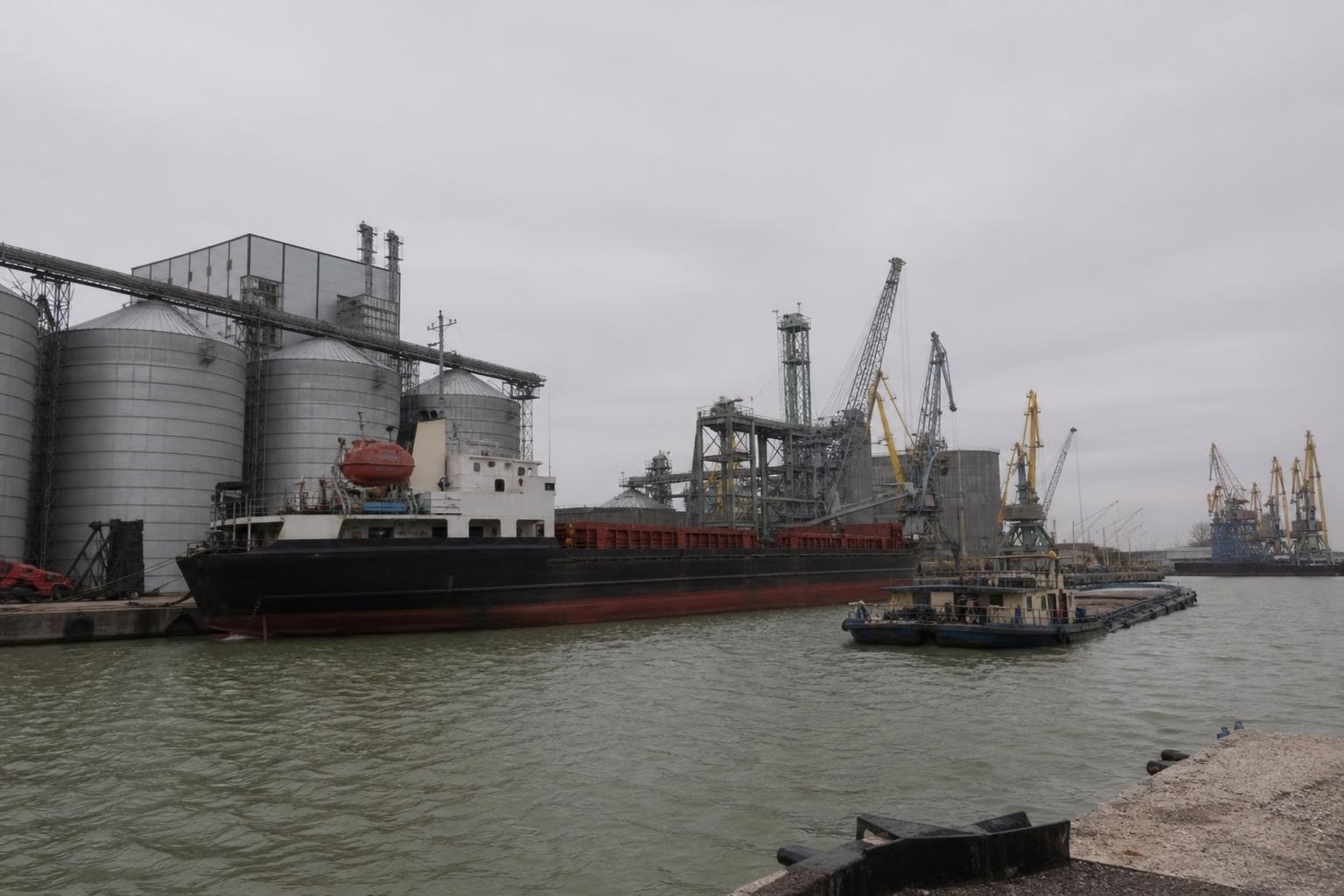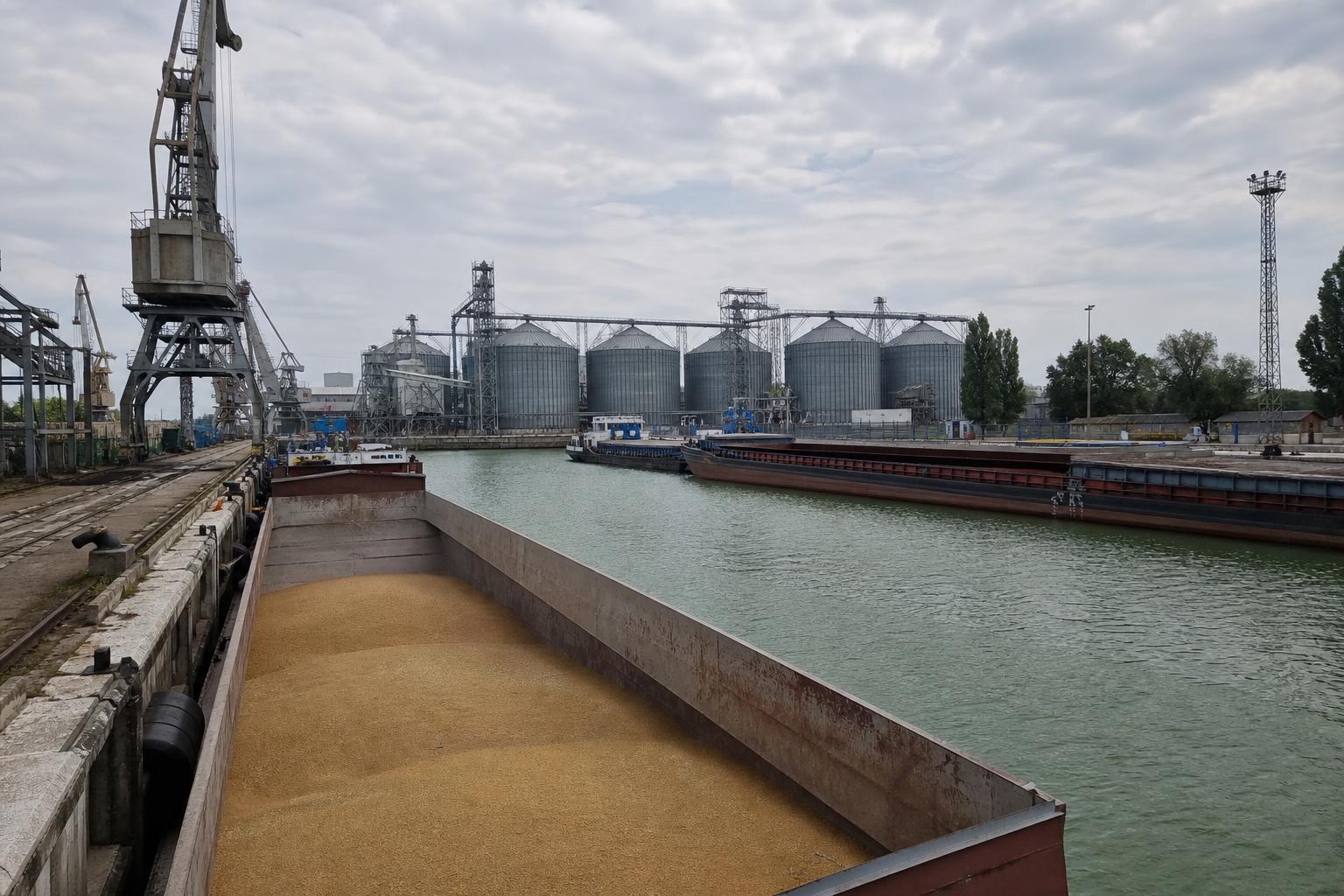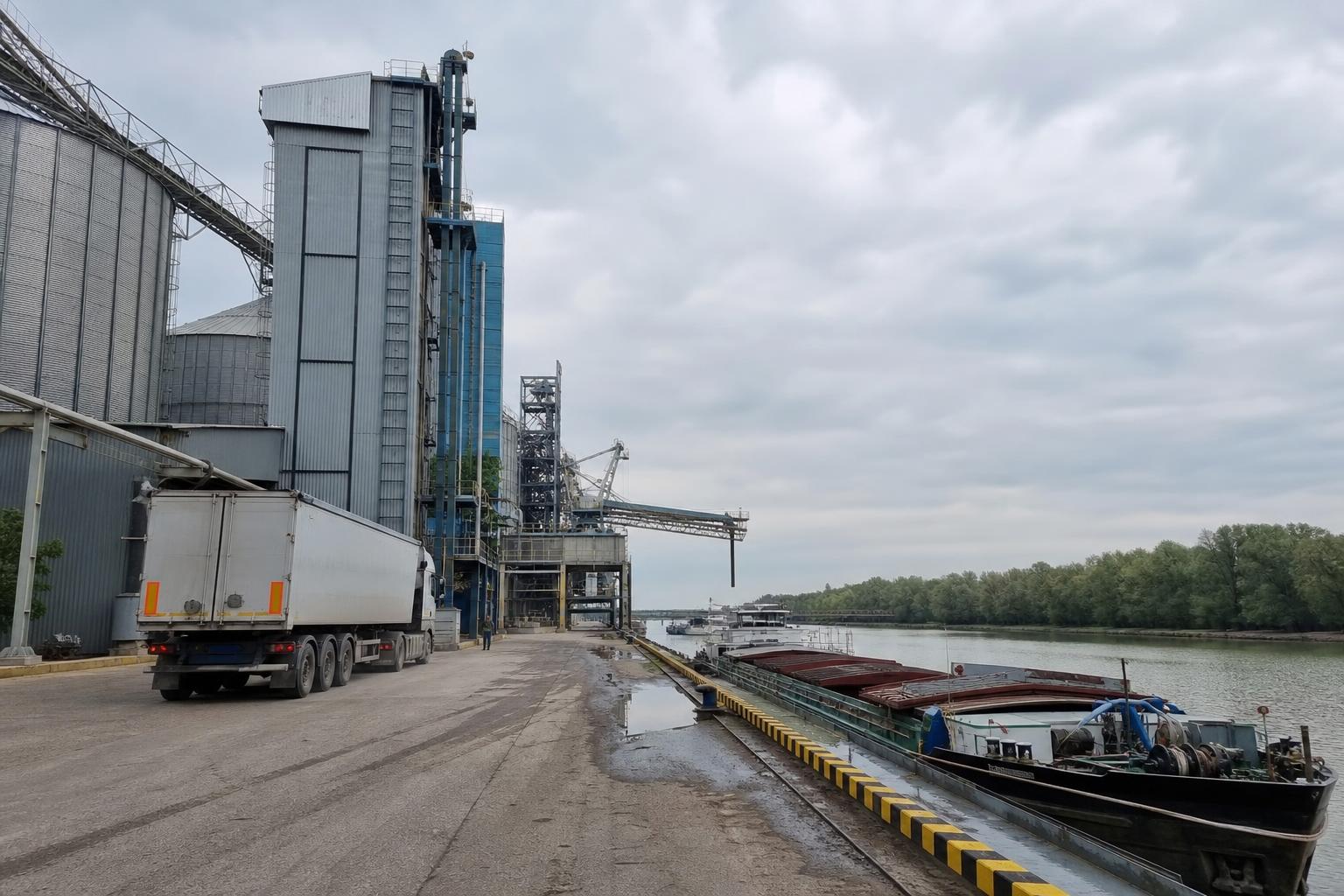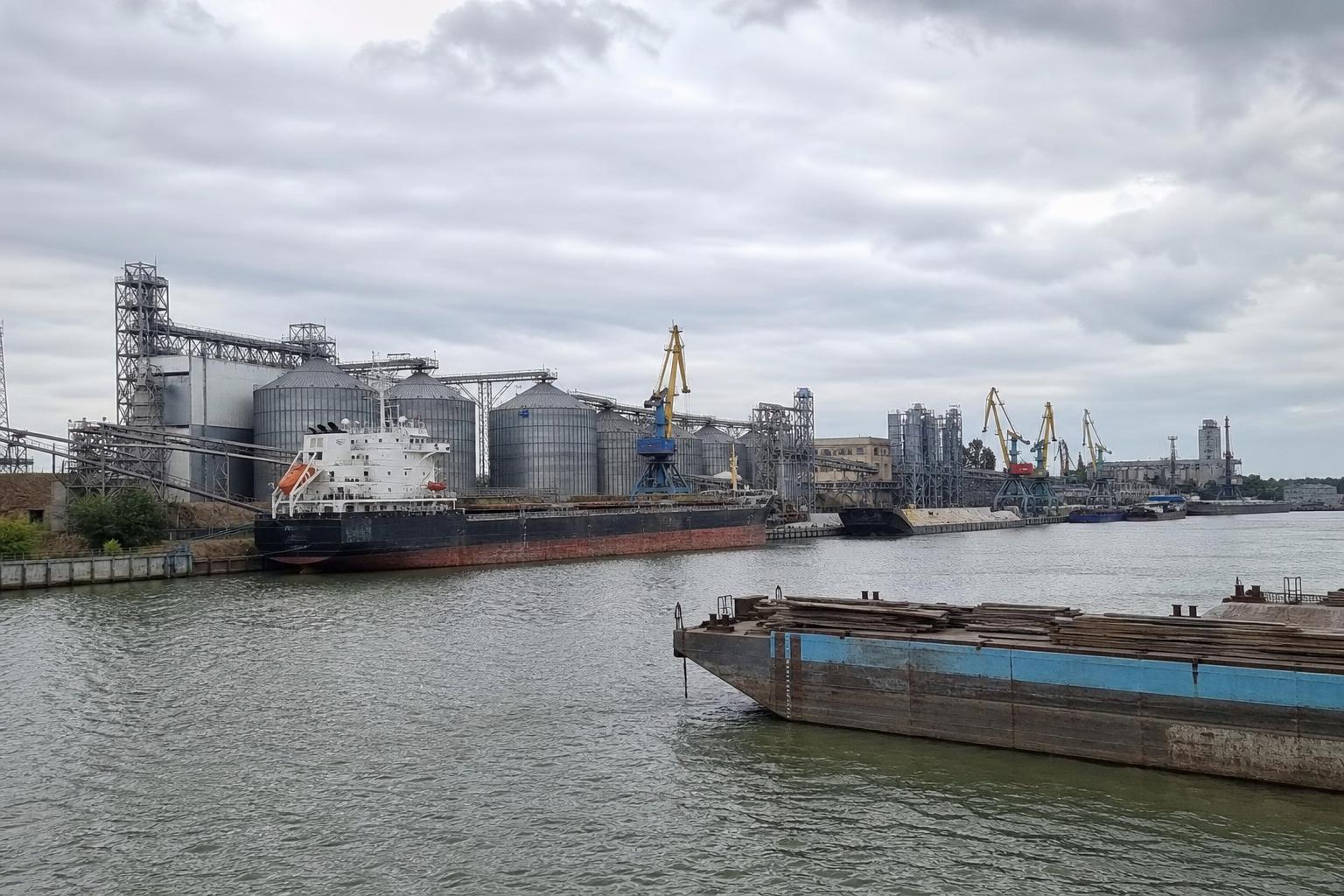
Ukraine's Agrarian Logistics: Danube and Constanța for Grain Export
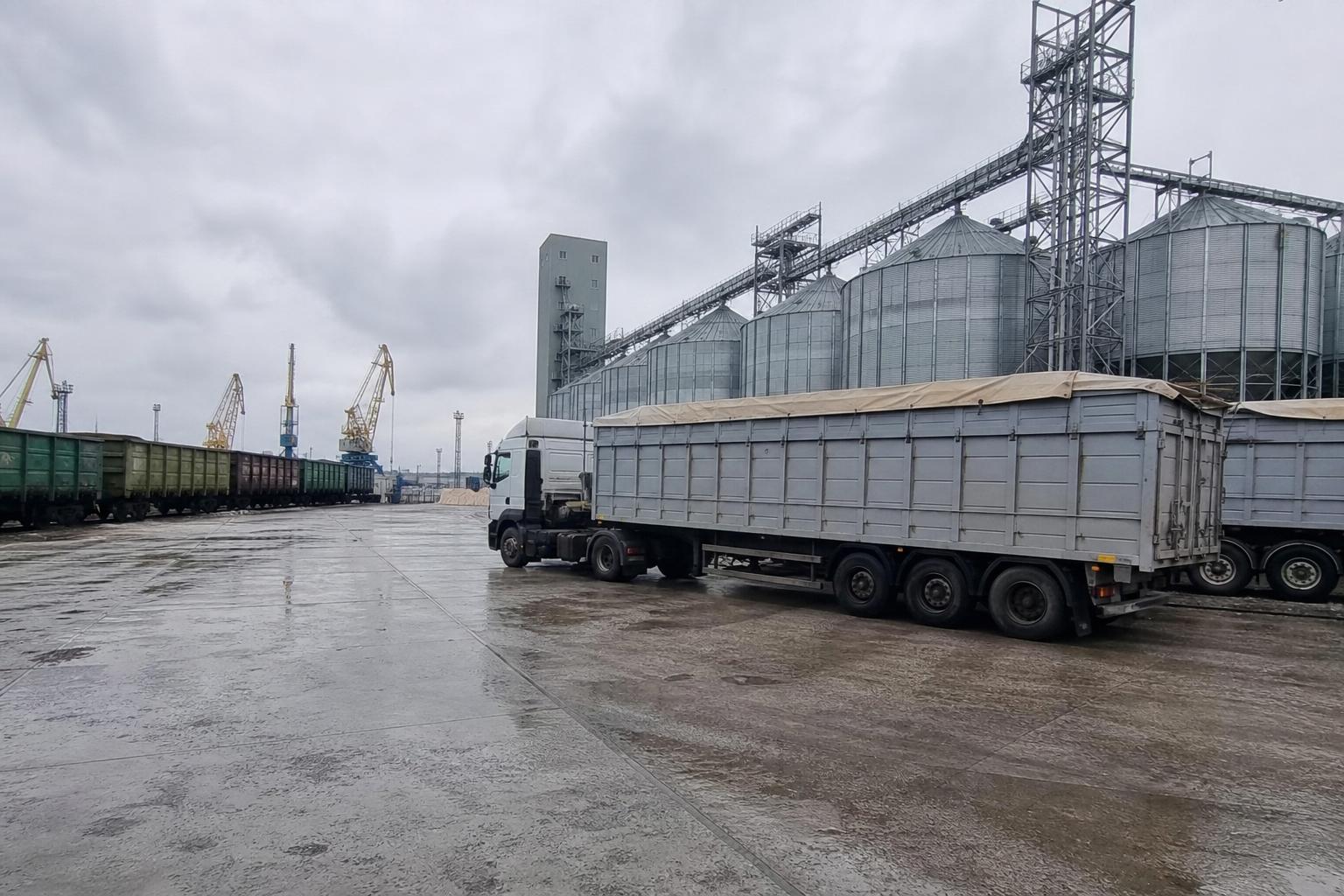
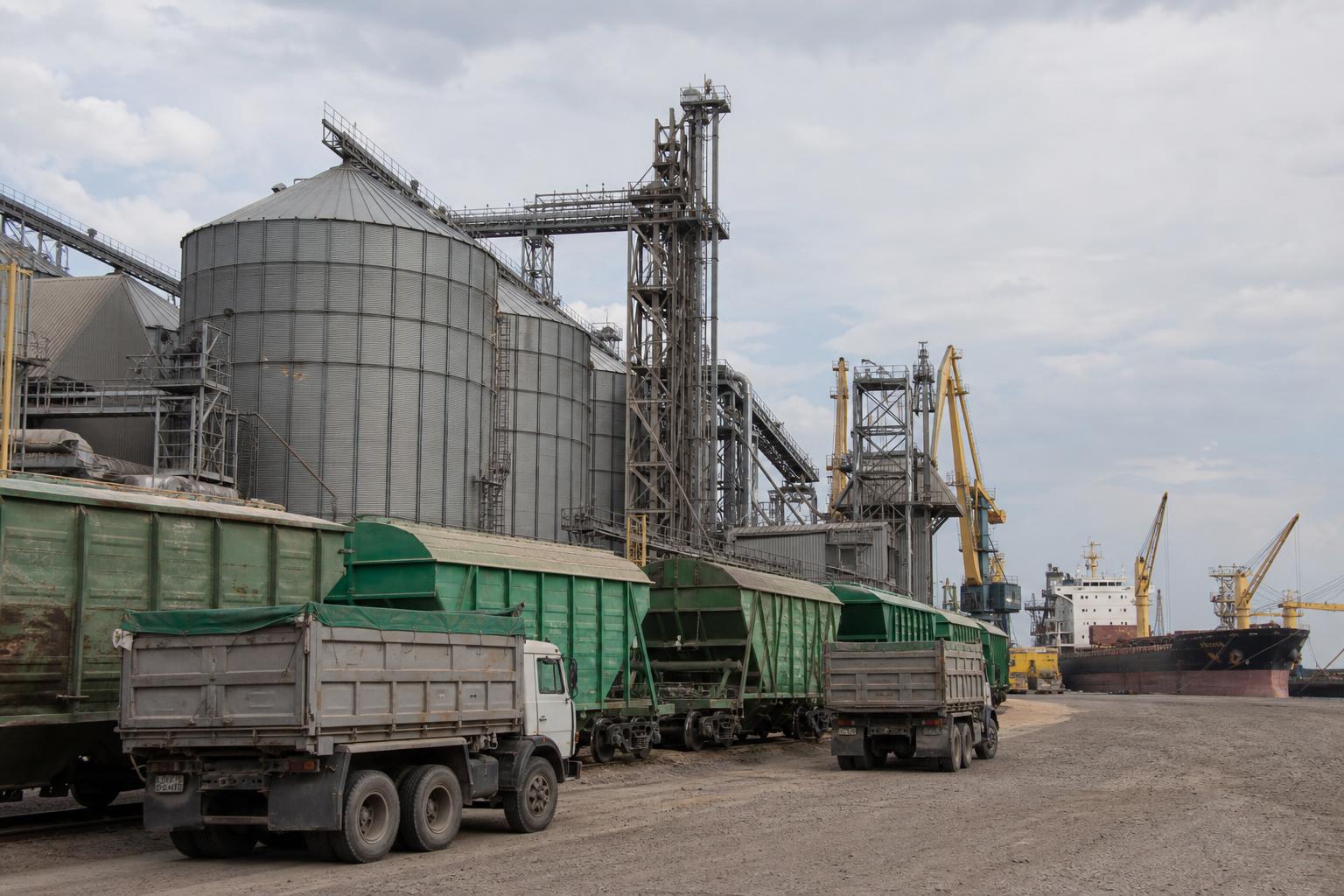
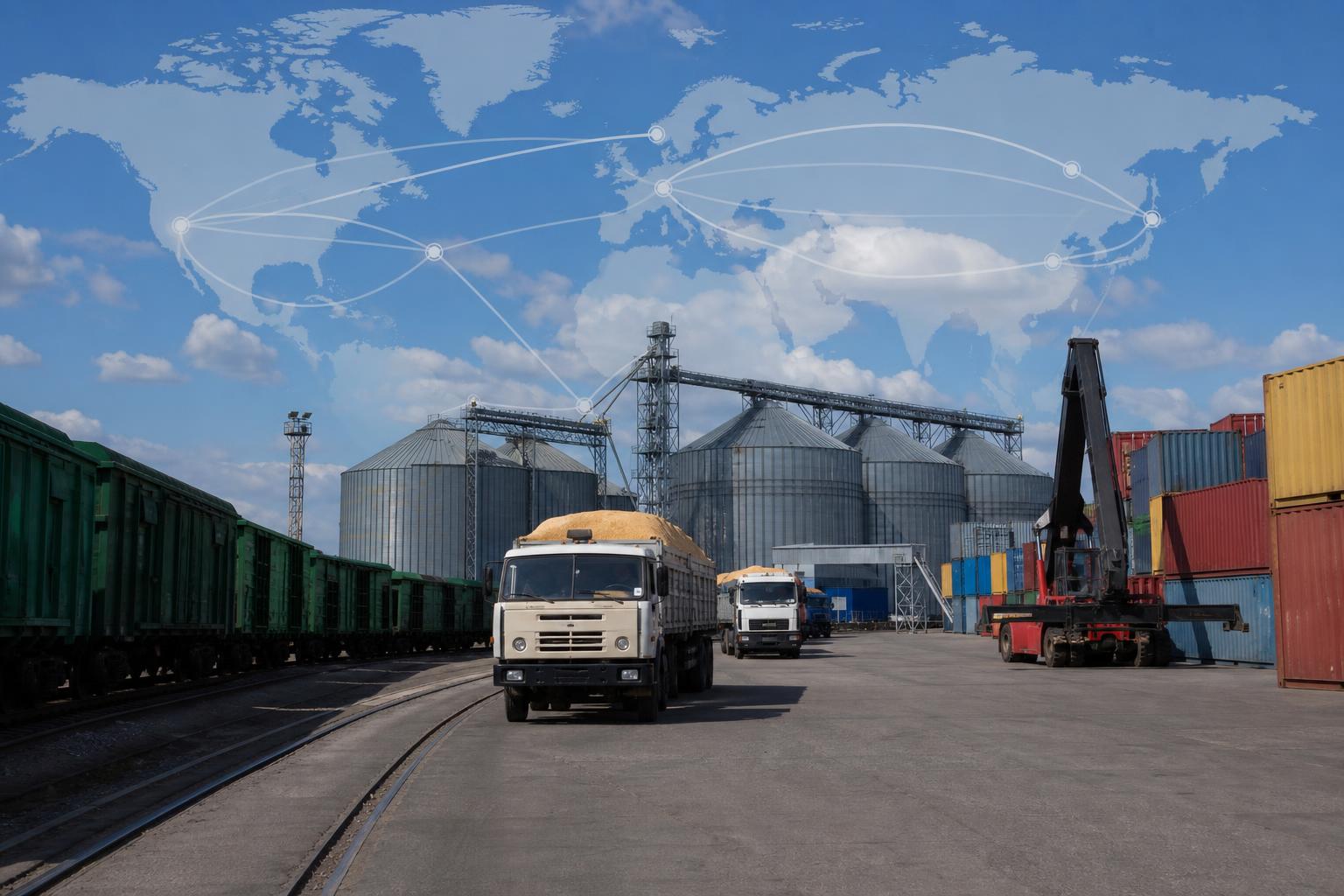
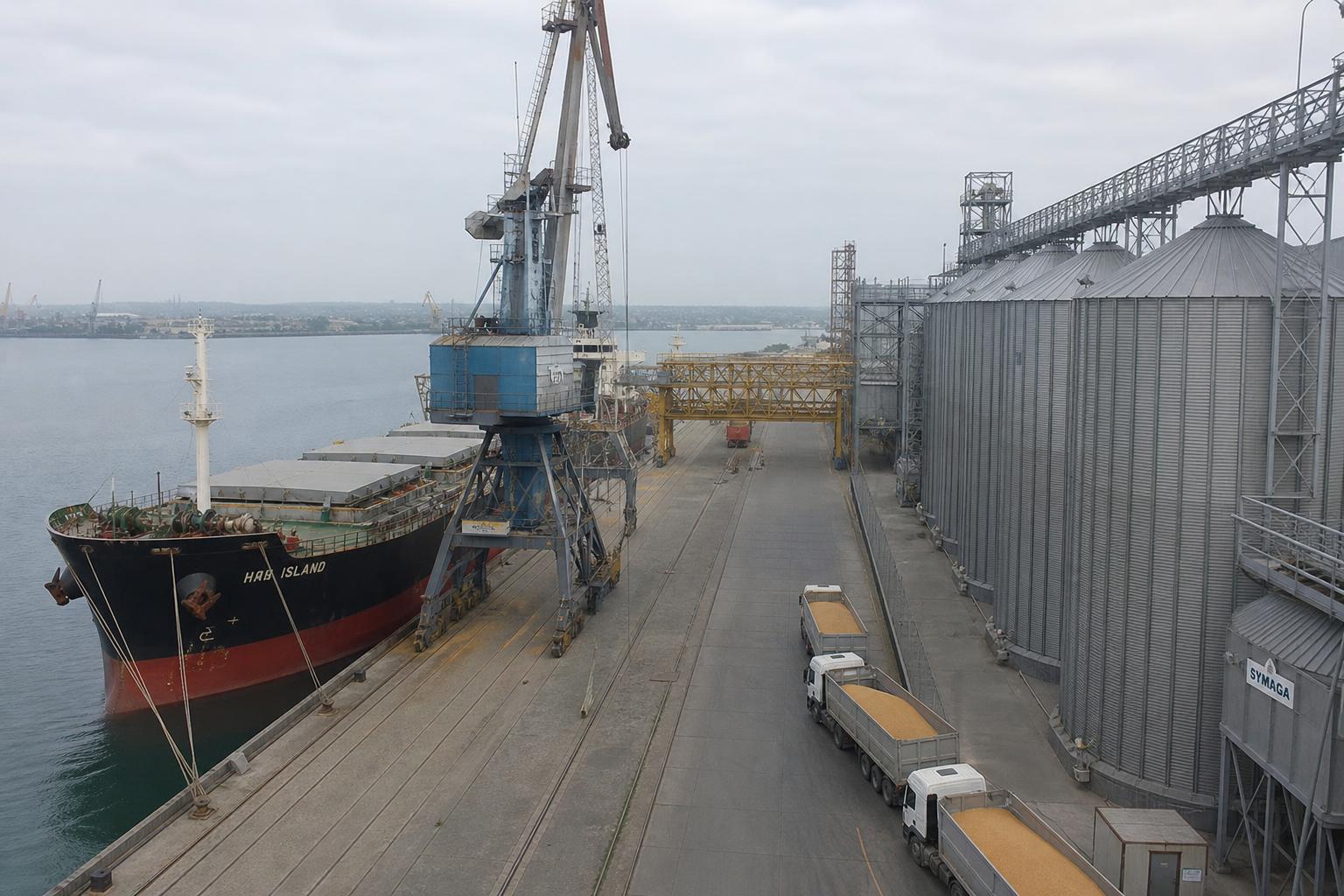
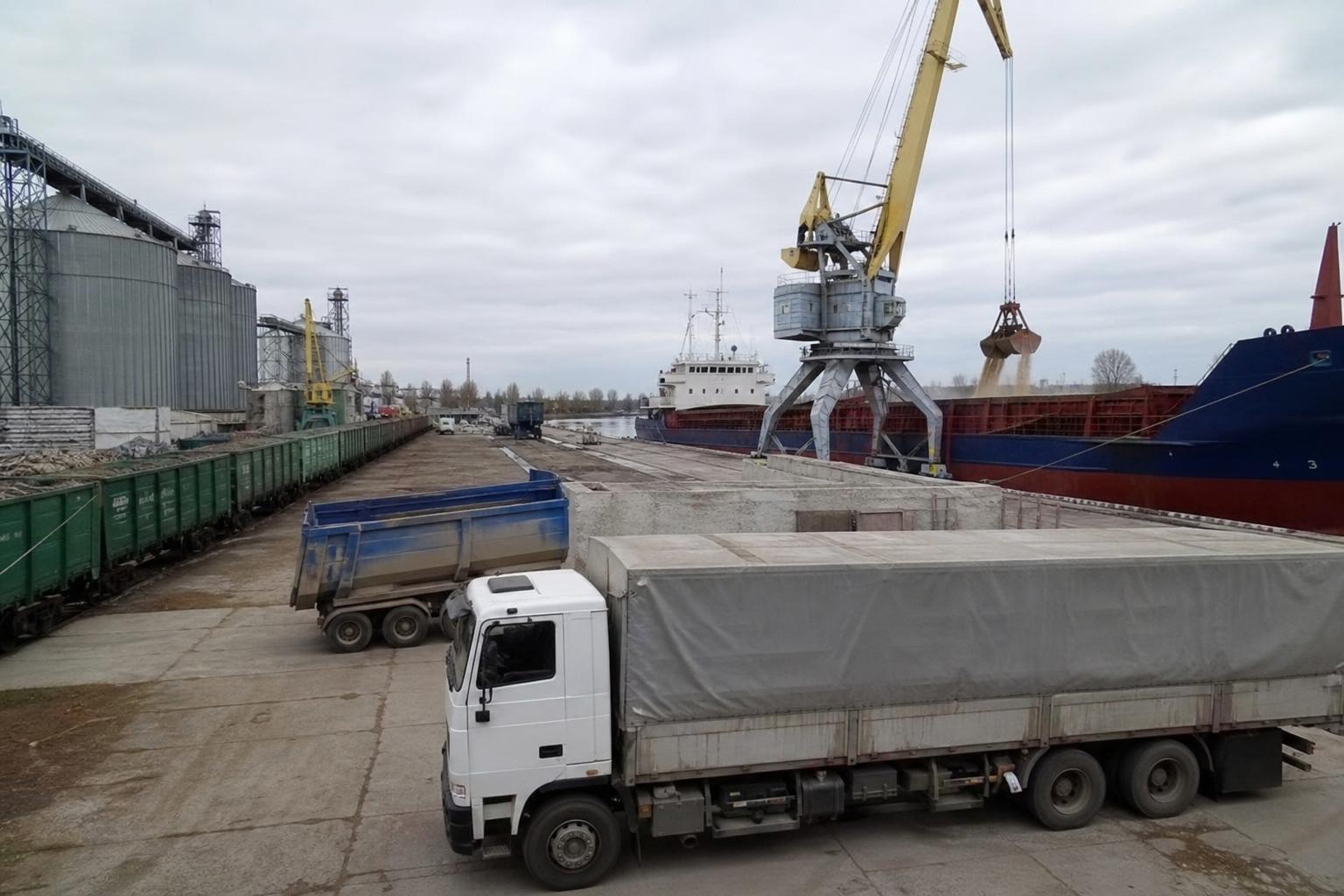
Ukraine and Romania are working to expand rail and Danube routes to Constanța. This is crucial amid high freight costs, security risks, and weak demand for certain grains.
Agropost
We collect original digests and analytical notes based on facts, market signals and verified sources.
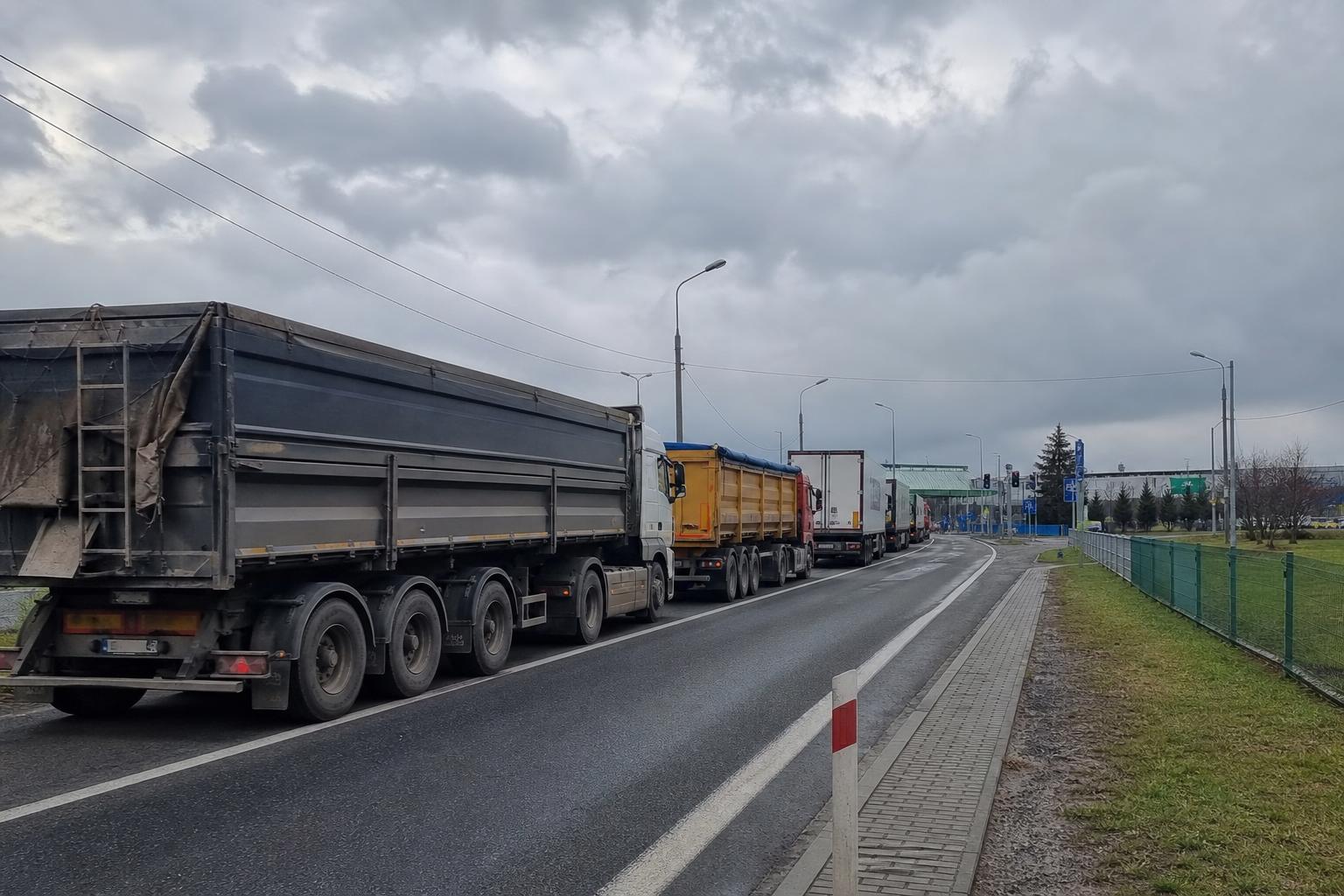
Farmers in Ternopil region report truck queues at the Poland-Ukraine border lasting up to a week and a half. Delays increase logistics costs and complicate grain shipments from warehouses.
Ukraine and Romania are working to expand rail and Danube routes to Constanța. This is crucial amid high freight costs, security risks, and weak demand for certain grains.
Rates from Ukrainian Danube ports to Egypt increased to $90–95/ton as of August 31. The market reacts to fleet shortages, high demand, and Suez Canal congestion.
Freight rates from Ukrainian Danube ports to Egypt, according to ASAP Agri, reached $90–95/ton as of August 31. Over 10 days, this increase is estimated at about $27/ton, intensifying pressure on export margins and prompting more careful logistics planning when selling grain.
In early September, Ukrainian agrilogistics remains under pressure: rising freight rates from Danube ports, limited tonnage complicate exports, and small producers have weaker positions in accessing railcars, trucks, and storage.
Freight market offers for container shipments from Reni and Izmail have nearly disappeared, while the queue at Sulin Channel increases the risk of additional costs. For grain sellers, this means the need to quickly secure logistics and carefully calculate delivery prices.
Ukrainian agricultural logistics faces renewed challenges due to port risks, freight costs, and alternative routes. For sellers and buyers on AgroPost, delivery terms, routes, and transport access become as crucial as product prices.
Port instability again places logistics at the center of Ukraine's grain market. For grain sellers, flexible routes, freight control, and early collaboration with elevators and buyers are key.
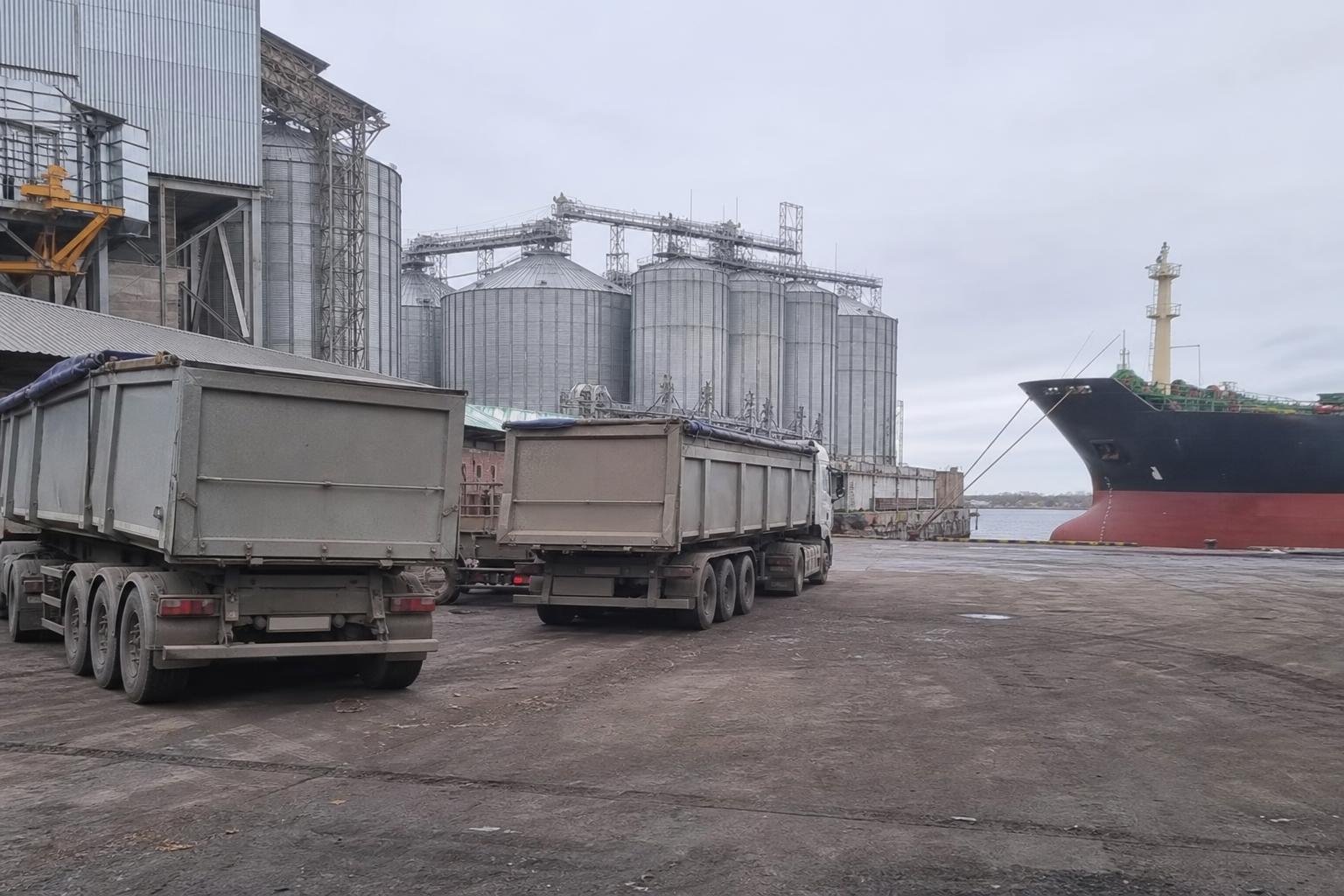
As of July 20, about three ships were heading to Ukrainian seaports, while two with import cargo rerouted to Danube ports. This signals the need for agribusiness to carefully consider delivery terms, port of discharge, and timing in contracts.
In mid-July, Ukraine's grain market received a new logistical signal: some shipowners avoid Ukrainian ports, traders become more cautious with CPT port agreements, and dry ports strengthen container operations instead of expanding grain silos.
For Ukrainian grain exporters, it is crucial to consider IMO changes regarding safe bulk grain transportation. The new loading method requires updated stability calculations, documentation, and software for vessel loading.
Sign in to manage requests, save contacts and respond to market offers quickly.
Continue with GoogleSign in to manage requests, save contacts and respond to market offers quickly.
Continue with GoogleEnter your email and we will send a password reset link.
Don't have an account?
With your consent, Google Analytics measures navigation and listing steps. The service does not start without consent. The site works without it.
We send category, language, step number and whether an error or save occurred, not entered values, phone numbers, email addresses or listing text. Your choice is stored in this browser for up to 180 days. Advertising tracking stays disabled.
Use Analytics settings to change your choice. Withdrawing consent reloads the page to stop already loaded services: save any unfinished form first.