
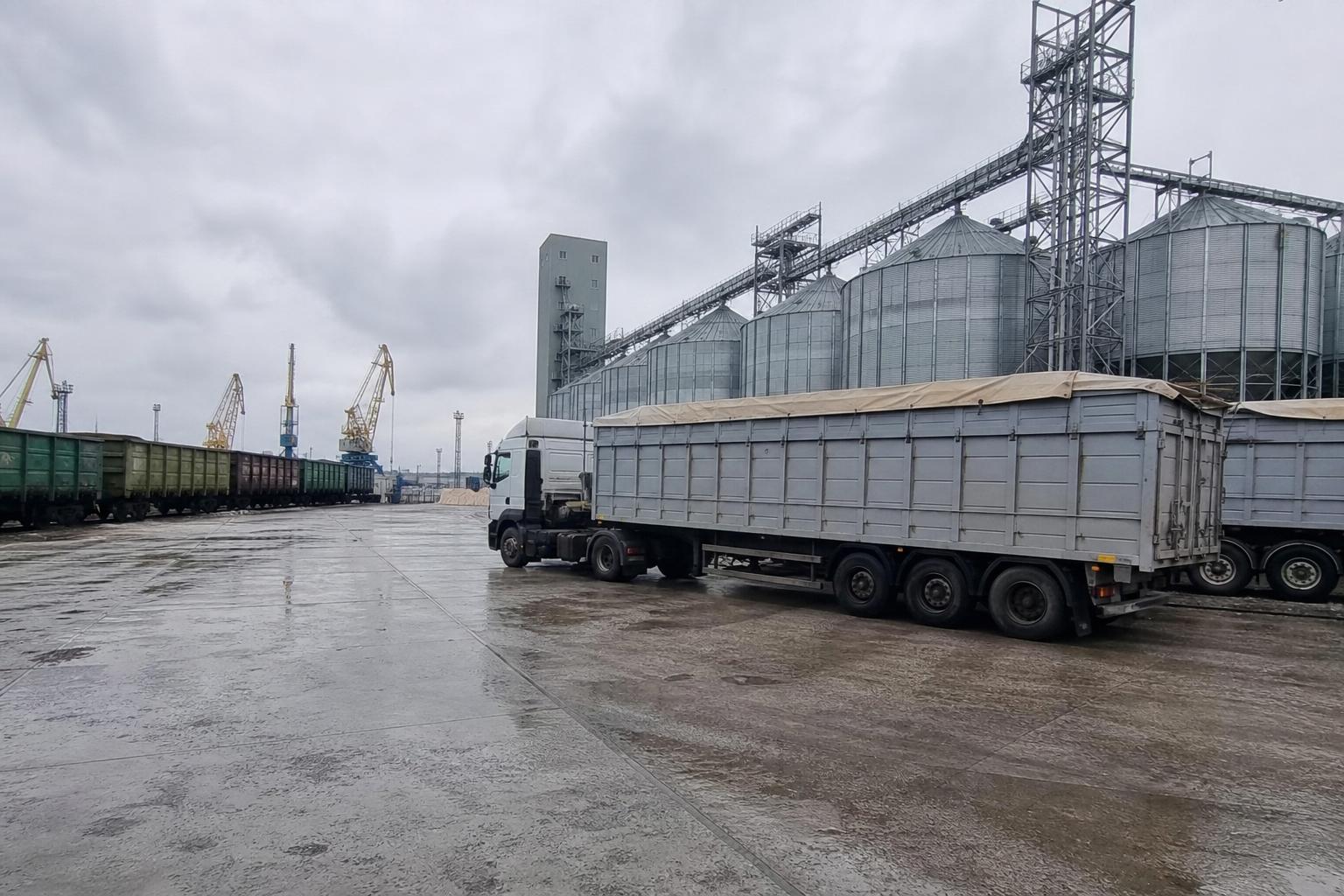
Ukrainian agricultural exports remain dependent on the stability of seaports, availability of railcars, road routes, and freight rates. Any disruption at ports quickly impacts procurement bases, shipment deadlines, and seller margins.
There is renewed discussion in the market about whether owning or long-term chartered vessels could reduce pressure on exporters. For agribusiness, this is not only a strategic question but also a practical tool for managing logistical risks.
Freight becomes part of pricing strategy
According to shipping market participants, owning a fleet could mitigate the effects of port crises, although it would not eliminate the problem entirely. During periods of limited access to deepwater ports, owning tonnage would provide more options for working with risky routes and transshipment via the Danube.
One possible scenario involves transporting cargo through Danube ports to Constanța, followed by using owned or controlled fleet. In this model, the exporter has greater influence over freight, demurrage, and vessel schedules.
As a benchmark, a Supramax vessel can carry approximately 400,000 tons of cargo annually and generate around $4 million in revenue on a moderate market. This translates into a freight hedge of about $9–10 per ton.
Owning a fleet is not a quick fix but a long-term asset
For Ukrainian companies, the key obstacle remains planning horizon. Shipping requires capital, technical management, commercial expertise, and readiness to operate assets for 10–25 years.
Sources also compare the Ukrainian market approach with practices of other exporters who began purchasing vessels before the full-scale war. Often, this involved older ships aged 18–23 years, around which management and commercial models were gradually developed.
Global top-tier agritraders have long used their own or long-term chartered fleets as part of their trading infrastructure. For them, a vessel is not just a separate business but a way to control the supply chain from procurement to buyer.
Alternative routes remain a form of insurance
Against the backdrop of port risks in Greater Odessa, exporters of agricultural products are advised to proactively identify alternative routes. This includes railway options, road logistics, Danube ports, and transshipment through European hubs.
However, alternative routes cannot always fully replace large seaports in terms of speed and volume. Therefore, for sellers, it is important not only to find a buyer but also to agree on the actual route, available transport windows, and responsibilities for delays.
For listings and negotiations on AgroPost, this means clarifying delivery basis, self-pickup options, availability of railcars or trucks, and the willingness of parties to work with multiple routes.
Demand for specific cargoes also influences logistics
Logistical planning depends not only on transport availability but also on external market demand. For example, Ukrainian rapeseed imports to the EU in the 2025/26 season decreased by approximately 34%, totaling 1.6 million tons.
The overall EU import of rapeseed from third countries declined to 5.4 million tons from 7.5 million tons the previous year. One reason cited is increased domestic rapeseed production within the EU.
This signals to logistics operators that even if a route is accessible, cargo flows may change due to market demand in the destination country. Exporters should plan routes, batches, and delivery timelines more flexibly.
Key conclusions for market participants
- Freight impacts margins. It should be considered at the pricing stage of procurement or sale.
- Owning or long-term controlled tonnage can serve as a hedging tool but requires a long-term strategy.
- Alternative routes should be coordinated before disruptions occur, not after the main channel stops.
- Demand in the EU and other regions can alter cargo priorities and routes.
- Delivery conditions in listings should be as clear as possible: basis, transport, timelines, and responsibility for delays.
What this means for the market: Ukrainian agricultural logistics is shifting from reactive transport sourcing to risk management. For sellers and buyers, it is crucial not only to agree on prices but also to have a realistic delivery plan, backup routes, and transparent costs for freight, transshipment, and delays.
Comments
No comments yetNo comments yet - be the first.