
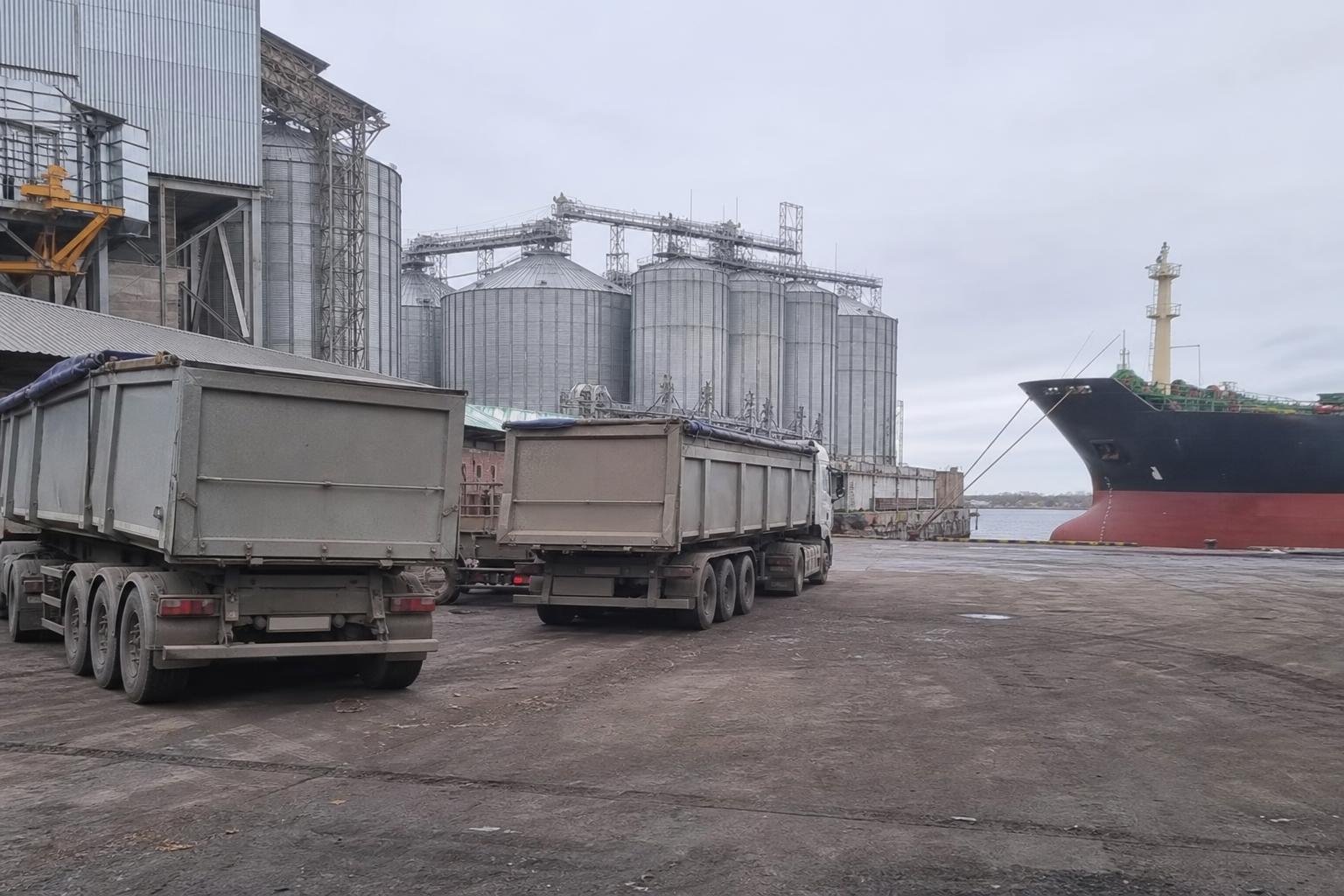
Ukrainian agricultural logistics is once again adjusting routes rapidly. According to market participants, as of July 20, around three vessels were en route to Ukrainian seaports, while two ships carrying import cargo, originally heading to Odesa, were redirected to Danube ports.
For sellers and buyers in the agrarian market, this means that the cargo price increasingly depends not only on the product but also on the entry point, available draft, carrier willingness to change routes, and the speed of customs clearance.
Seaports: Traffic Exists, but the Market Remains Cautious
According to Avalon Shipping, vessel traffic to Ukrainian seaports remains limited. About three ships continue heading to Ukrainian ports, but some import cargo has already been rerouted to the Danube.
This operational format emphasizes the importance of flexible contract terms. If cargo can be accepted not only at one port but also at an alternative route, buyers have a better chance to avoid delays or disruptions in supply.
However, rerouting is not automatic. Market sources indicate that carriers do not always have the capacity or readiness to promptly change loading or unloading ports, even if tonnage is available.
Danube Route: Tonnage Available, but Technical Limitations Are Critical
At Sulina/Bistre, Avalon Shipping reports about seven vessels at anchor. Additionally, a significant amount of available tonnage was observed waiting for transportation orders from the Danube.
The key factor for planning remains permissible draft. Data indicates a draft of 7.01 m on the Sulina channel, 5.5 m at the Bistre estuary, and 6.7 m approaching Izmail at the 44th mile.
For agrarian cargoes, this is a practical limitation: not every vessel or batch can be transferred to another route without changing loading schemes, splitting shipments, or revising schedules.
Import Cargoes: Logistics Already Affect Final Prices
The situation with imported urea demonstrates how transportation factors influence product pricing. Imported urea in Ukraine has already been offered at 31–32 thousand UAH/ton depending on origin, packaging, delivery timelines, and basis of supply.
Some offers for Azerbaijani urea from upcoming shipments were valued around 31 thousand UAH/ton FCA port. Other import batches were offered at 32 thousand UAH/ton FCA port or warehouse.
Participants note that maritime logistics complications, port security risks in Ukraine, and rising global urea prices are putting pressure on the fertilizer market. For logistics, this is an important signal: delivery costs and basis of supply are becoming key negotiation factors, no less than the product price itself.
What Sellers and Buyers Should Consider
- Verify the port and basis of supply. FCA port, warehouse, or other basis can significantly alter the final cost for the buyer.
- Include alternative routes. If cargo can be accepted via the Danube, this should be specified during negotiations.
- Clarify draft limitations. For Danube routes, technical parameters may determine whether a vessel is suitable for a specific shipment.
- Do not delay logistics booking. Availability of tonnage does not guarantee quick transportation if carriers are unwilling to change ports or schedules.
- Account separately for delay risks. For imported fertilizers, grains, and oilseeds, arrival timelines can impact margins and purchase prices.
Implications for the market: Ukraine’s agrarian logistics remains operational but less predictable. Sellers and buyers should move from simple price comparisons to comprehensive route planning: port, draft, basis, delivery timing, and the ability to quickly redirect cargo are now critical contract conditions.
Comments
No comments yetNo comments yet - be the first.