
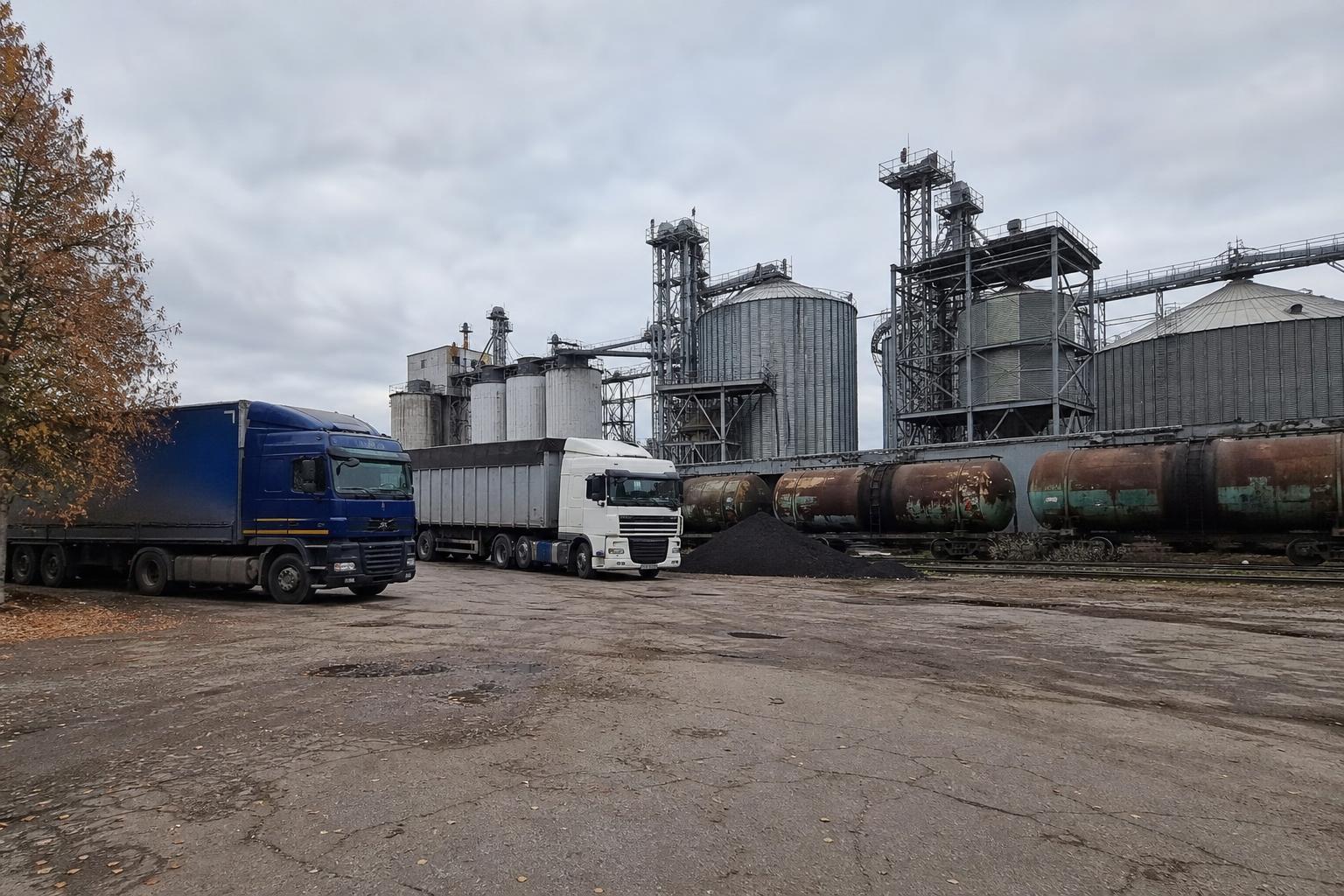
The Ukrainian oilseed market is entering a period where prices are increasingly influenced not only by harvest volumes and demand but also by available sales routes. For sellers of sunflower, processors, and traders, key factors become delivery basis, loading queue, and logistics costs.
According to reports from specialized media, Ukrzaliznytsia is ramping up oil export shipments by rail. Simultaneously, the physical supply of new harvest sunflower on the domestic market has increased, impacting procurement prices.
Rail Export of Oil: A Signal for Processors and Traders
The growing role of rail transportation for oil is significant for the entire oilseed chain: from farms selling sunflower to processing plants forming export batches of finished products. If rail exports of oil accelerate, processors gain more leverage to maintain raw material procurement where logistics to the plant and further export are predictable.
For farmers, this means that offers from buyers should be evaluated not only by price per ton. It is important to consider who bears transportation costs, the basis on which the deal is fixed, and how quickly the buyer is ready to accept the batch.
Sunflower Prices Decline in the Domestic Market
The active influx of new harvest sunflower has increased supply on the Ukrainian market. According to data cited from IA "APK-Inform," this has led to a decrease in processing prices by 500-1000 UAH/ton — down to 19,000-20,500 UAH/ton CPT.
Notably, southern regions see procurement prices reaching 21,000-21,500 UAH/ton CPT. Competition there is not only among processors but also from exporters.
Meanwhile, export-oriented companies’ demand prices on the domestic market have decreased, but in ports and towards the western border, they remained almost unchanged — 21,000-22,000 UAH/ton DAP.
Delivery Basis Becomes a Key Negotiation Factor
The gap between CPT and DAP prices indicates that logistics remains one of the main factors in negotiations. Sellers capable of quickly delivering goods to the acceptance point or assembling a stable batch for export can gain a better bargaining position.
Buyers on AgroPost should clearly specify the basis, preferred procurement region, minimum batch size, and delivery deadlines in their requests. Sellers should compare not only the nominal price but also transportation costs, transit risk, and payment speed.
Key Market Participants’ Conclusions
- For sunflower producers: it is advisable to compare offers on different bases, especially if they have access to carriers or elevator infrastructure.
- For processors: competition for raw materials may remain higher in regions with more convenient logistics to the plant and export routes.
- For traders: stable DAP prices towards ports and the western border make logistics a decisive element of margin.
- For carriers: activity in the oilseed segment creates demand for predictable rates, available rolling stock, and clear loading schedules.
What this means for the market
The oilseed market in Ukraine is shifting into a phase where success depends not only on having goods or demand but on better route calculation. For transactions on AgroPost, this means increased attention to delivery basis, logistics costs, and the actual readiness of parties to execute shipments promptly.
Comments
No comments yetNo comments yet - be the first.