
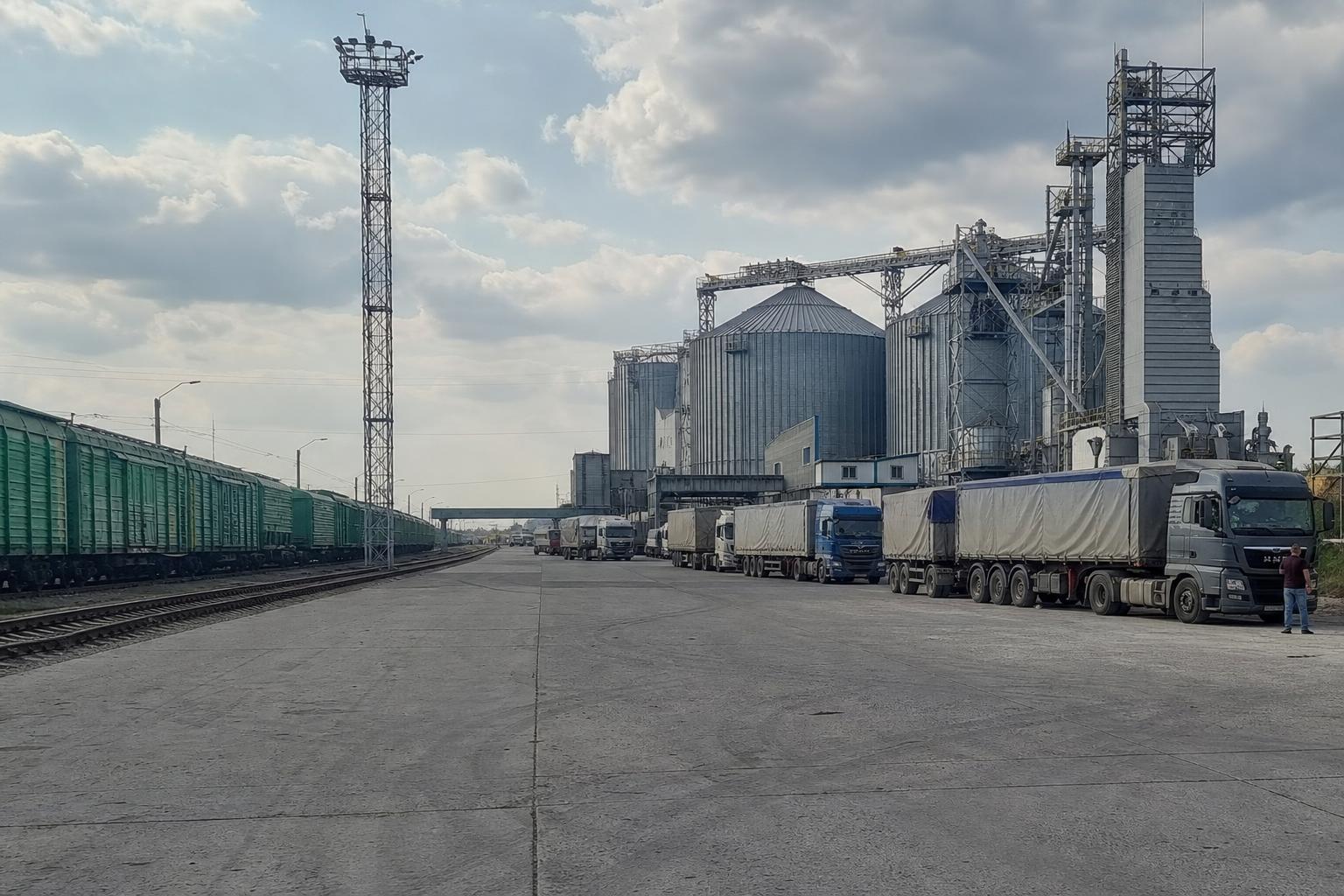
For grain sellers, the 2026/27 season is increasingly becoming a logistical challenge. The key issue is not only the price of the crop but also access to a route that allows shipments without critical cost increases.
According to calculations by Forbes Ukraine, if the export blockade through the Black Sea continues until the end of the 2026/27 marketing year, Ukraine may be unable to export approximately 24 million tons of grain and could lose over $5 billion in potential export revenue. This makes the transportation component one of the main factors influencing domestic prices.
The maritime route remains decisive for grain
Ukraine's total export capacity in the current season is estimated by Forbes Ukraine at 50 million tons of grain. This volume accounts for domestic consumption and transitional stocks.
Even during a prolonged maritime blockade, part of the production can be redirected through alternative routes. However, based on current calculations, their capacity is insufficient to fully replace Black Sea exports.
Another scenario involves the resumption of maritime shipments as early as October. In this case, under-export could be reduced to approximately 3 million tons, which could potentially be exported in the next season, 2027/28.
Export pace declined in August
Following intensified attacks on port infrastructure and civilian vessels, the number of ships entering Ukrainian ports sharply decreased in the second half of July, according to sources.
In August 2026, Ukraine exported 981 thousand tons of grains. This is 2.5 times less than in the same month last year.
The structure of August exports included 605 thousand tons of wheat, 306 thousand tons of corn, and 69 thousand tons of barley. For the market, this means sellers may more frequently encounter deferred demand, stockpiling, and stricter selection of batches based on logistical parameters.
Alternative logistics are more expensive
Market reports estimate that alternative grain export logistics are €50-90/ton more expensive compared to ports in Odesa. For small and medium batches, this difference can significantly impact the economics of the deal.
The costliest mistake for a seller is fixing a price without a clear understanding of the route, shipment deadlines, and transportation costs to the transfer point. For buyers, the risk lies in the fact that the declared price may not reflect the actual cost of export.
Practical conclusions for sellers and buyers
- Sellers should specify not only the crop, volume, and quality but also available logistics: elevator, station, road access, and possible shipment directions.
- Buyers should compare not only the price per ton but also the total delivery cost to the required route or warehouse.
- Producers with stocks should separately calculate storage costs if shipments are postponed due to transportation shortages.
- Traders should incorporate flexibility regarding deadlines into agreements, as access to maritime export remains a scenario-dependent factor.
What this means for the market: Grain trading in Ukraine in the near future will depend on logistics no less than on global quotations. At AgroPost, sellers should provide more detailed shipping conditions, and buyers should more quickly select batches with confirmed routes to avoid hidden transportation cost increases.
Comments
No comments yetNo comments yet - be the first.