
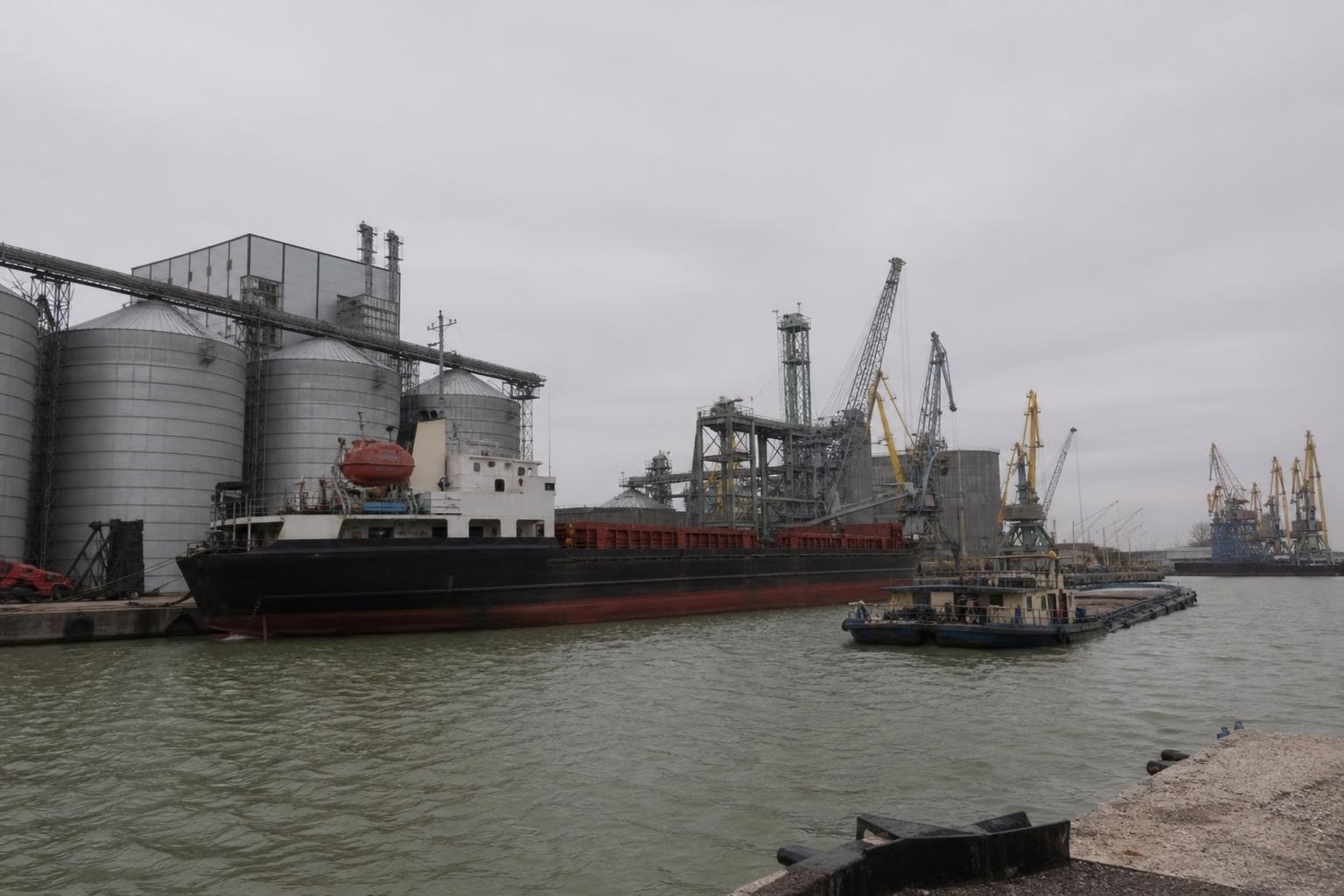
In the Danube route, pressure on export logistics costs has intensified once again. According to ASAP Agri, freight rates from Ukrainian ports on the Danube to Egypt have increased by approximately $27/ton over the past 10 days.
For grain sellers, this means that when calculating export margins, not only purchase price and batch quality become critical, but also the speed of transport booking, loading windows, and the risk of delays.
What Happened to the Rates
As of August 31, freight rates from Ukrainian Danube ports to Egypt were estimated at $90–95/ton. This is about $13/ton higher than the previous Thursday and roughly $27/ton more than August 20.
This movement in rates is significant for the grain logistics market, as even a few dollars per ton can alter the economics of a deal for traders, elevators, or agricultural producers selling batches linked to port prices.
Reasons for the Rising Costs on the Danube Route
The main factors driving rate increases include limited fleet availability, high transportation demand, and complications passing through the Suez Canal. In such a situation, shipowners gain a stronger bargaining position, while shippers must compete for available tonnage.
An additional risk for market participants is queues and waiting times to pass through the canal. These can impact the final transportation cost due to delays, rescheduling, and difficulties in planning subsequent voyages.
Price Gap with Constanța
Against the backdrop of rising Danube freight rates, a noticeable gap has emerged with Romanian Constanța. For comparison, the rate from Constanța to Egypt is estimated at approximately $30/ton.
This does not automatically mean a shift in all traffic, as route choice depends on infrastructure access, delivery costs to the port, queues, contract terms, and the buyer’s readiness to accept cargo on a specific basis. However, the difference in freight costs provides an additional argument for re-evaluating logistics chains.
What to Check Before Finalizing a Deal
- Current freight rate at the time of contract signing, not just the average market indicator.
- Availability of fleet for the specific loading period and departure port.
- Conditions for delays and who bears the costs in case of canal passage delays.
- Alternative routes via other ports or land logistics to transshipment facilities.
- Batch margin after accounting for freight, inland transportation, transshipment, and financial expenses.
Implications for the market: Danube logistics remains an important export channel, but its costs have become more volatile. Sellers on AgroPost should incorporate transportation costs more precisely into their offer prices, while buyers should clarify delivery basis and shipment timelines before finalizing agreements.
Comments
No comments yetNo comments yet - be the first.