
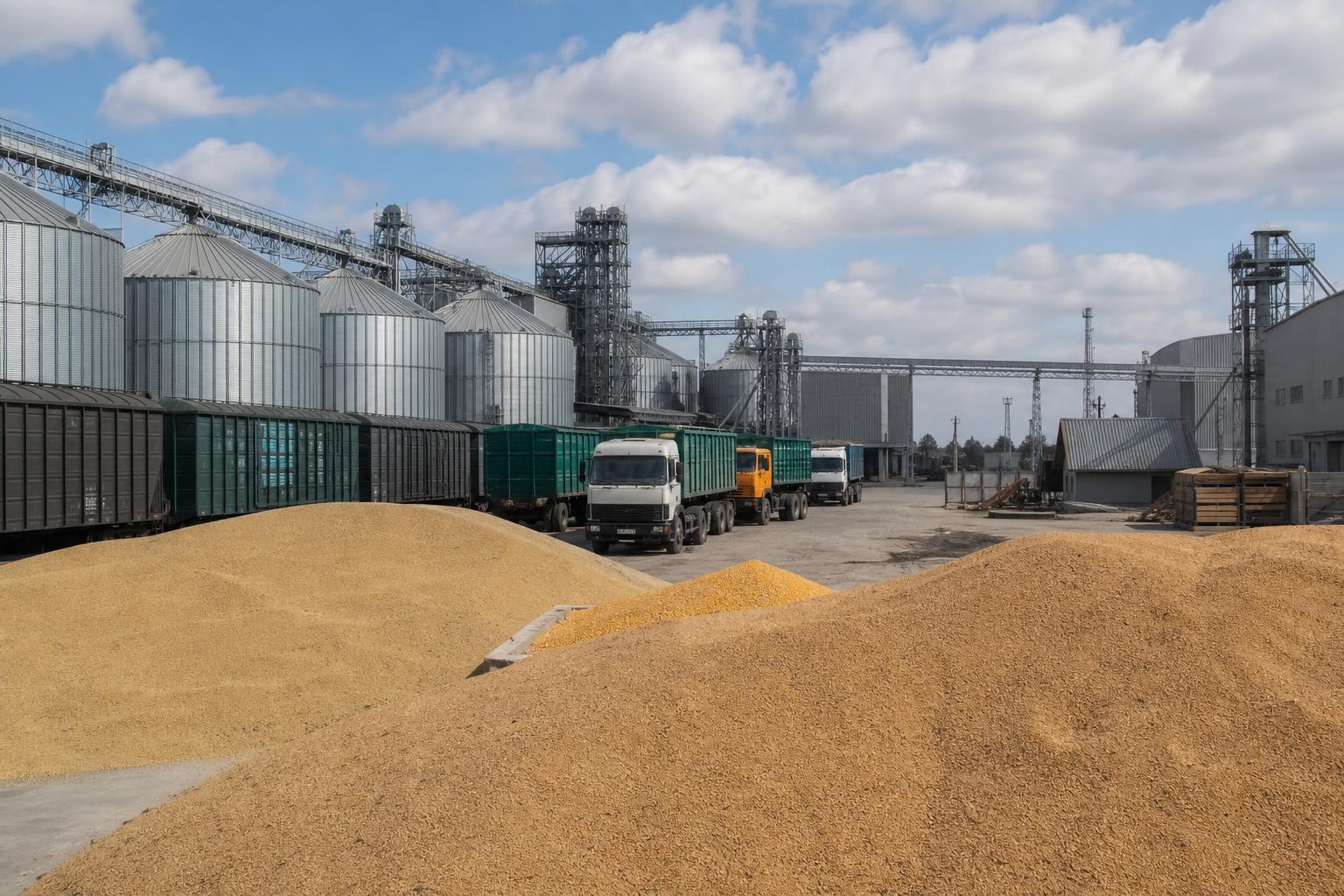
The Ukrainian grain export sector has gained an additional tool to operate amid complex logistics. The government has authorized the extension of maximum settlement periods for certain agricultural foreign economic contracts.
The key change for grain market participants is that the Ministry of Economy will be able, upon a specific exporter’s request, to extend the established settlement period up to 180 days. This is particularly important for contracts where delivery is delayed due to rerouted routes and risks in the Black Sea region.
Which grains are covered by the decision
According to reports from specialized media, the new approach encompasses a range of agricultural commodities. Within the grain market, the following positions are included:
- wheat and wheat-rye mixture;
- rye;
- barley;
- oats;
- corn.
For grain sellers, this does not automatically cancel existing settlement deadlines but provides an opportunity to obtain additional time through a formal request procedure. Exporters will need to justify the need for an extension for each specific contract.
Why this is important for exporters and traders
Grain exports remain dependent on port, rail, and road logistics. When routes change or delivery takes longer, there is a risk that the actual receipt of foreign currency proceeds will not fit within standard regulatory timeframes.
The possibility of extending up to 180 days reduces pressure on companies fulfilling contracts under unstable delivery conditions. This can help avoid hurried renegotiation of terms or selling grain at excessive discounts solely due to timing issues.
For traders and exporters, the practical takeaway is straightforward: when planning deals, it is essential to consider not only price and delivery basis but also realistic transportation timelines, potential delays, and the documentation required to apply for an extension from the Ministry of Economy.
Implications for elevators
Elevators operate at the center of the chain between producers, traders, and logistics providers. If exporters are granted more time for currency settlements, it may influence shipment schedules, batch accumulation, and the coordination of wagon or vehicle dispatches.
At the same time, extending deadlines does not resolve physical logistical constraints. For elevators, critical factors remain operational communication with buyers, quality control during storage, and timely documentation for export batches.
Domestic market grain sellers should clarify with buyers whether the purchase is linked to an export contract and what the expected export timelines are. This will help better plan warehouse clearance and cash flow management.
Key takeaways for grain sellers
- The extension of settlement periods is possible up to 180 days, upon exporter’s request.
- The measure applies to main grain crops, including wheat, barley, and corn.
- This change can provide exporters with greater flexibility amid complex logistics.
- Elevators and producers should carefully coordinate shipment schedules and payment terms.
- For deals on AgroPost, it is important to clearly specify the crop, volume, storage location, quality indicators, and readiness for shipment.
Implications for the market: The new rule does not directly increase grain prices but reduces regulatory pressure on export operations amid logistical uncertainties. For sellers, it offers an opportunity to work with a broader range of buyers, while buyers can plan export batches more flexibly without losing control over contract deadlines.
Comments
No comments yetNo comments yet - be the first.