
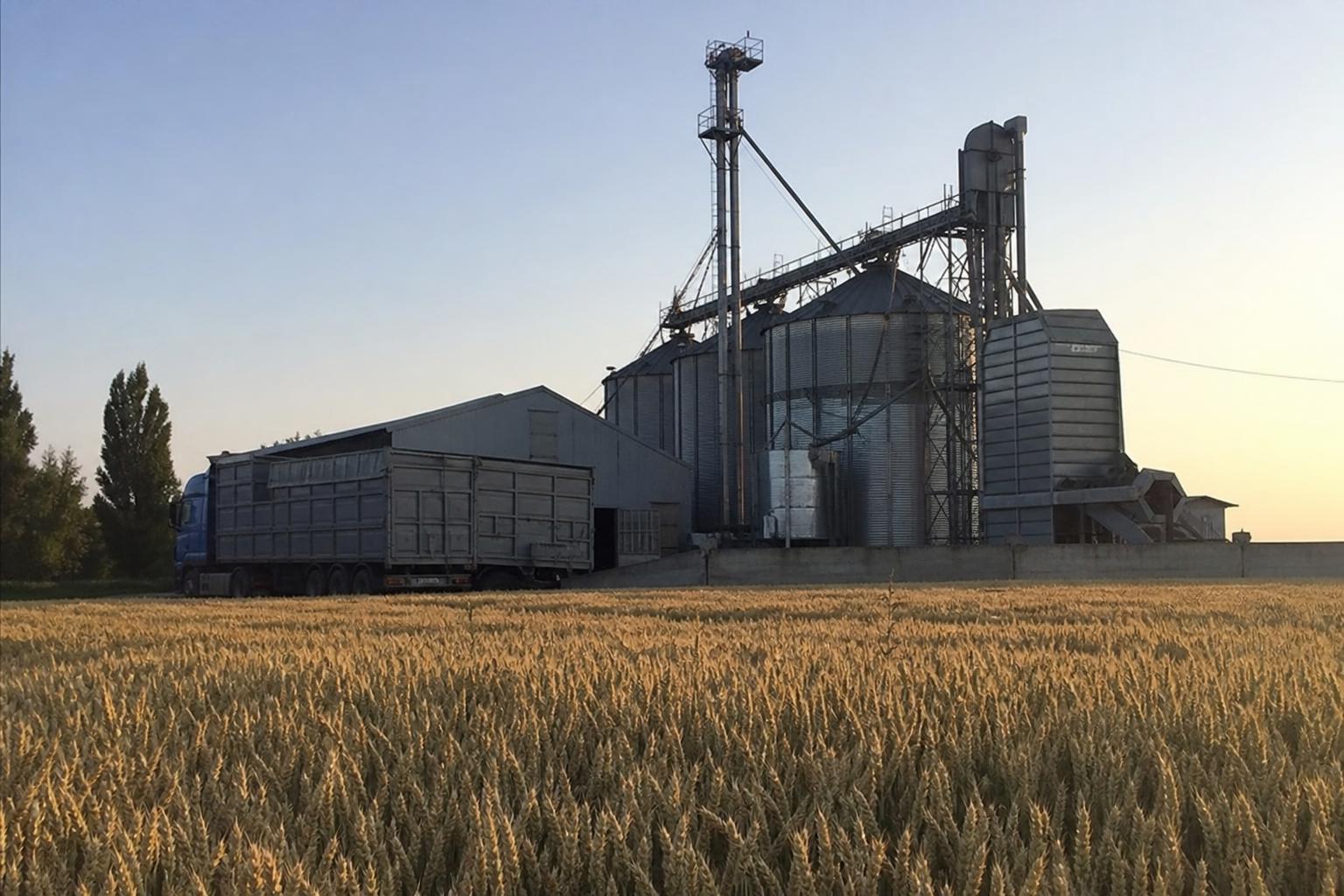
In Ukraine's grain market, the focus of agribusiness is gradually shifting from current transactions to factors that will determine the quality and availability of grain in upcoming periods. Among these are the condition of winter crops at the start of vegetation and the stability of post-harvest infrastructure.
Recent market reports highlight two practical risks for the sector: potential thinning of winter crop seedlings due to insufficient seed protection and incidents at grain drying facilities. For AgroPost participants, this signals the need to pay closer attention to quality parameters, handling conditions, and logistical capabilities even before concluding agreements.
Winter Crops: Savings at the Start May Turn into Costs During Vegetation
Experts from Ukravit have noted that refusing insecticidal seed treatment for winter cereals increases the risk of damage from soil and early post-emergence pests affecting seeds, seedlings, and root systems.
This pertains to risks of thinning seedlings, patchy emergence, and weaker plant development before wintering. For producers, this is important not only from an agronomic perspective: uneven crop conditions could complicate planning for product volumes and quality of batches in the future.
An additional practical aspect is the subsequent costs. If protection measures at the start failed or were skipped, farms might need more treatments during the vegetation period. At the same time, foliar spraying may not always be an equivalent substitute for seed treatment against certain soil pests.
Elevator Infrastructure: Fire Safety of Grain Dryers Remains Critical
On September 20, a fire occurred at a grain dryer at an agricultural enterprise in Ladichyn, Mykulynetska community, Ternopil region. According to the State Emergency Service (SES), the alarm was received at 04:20, and by the time firefighters arrived, the fire covered approximately 150 m².
Assistance from the enterprise's auxiliary equipment was also involved in extinguishing the fire. The fire was contained, preventing its spread to the neighboring grain drying complex. The causes of the fire and the extent of damages are still being determined.
This incident serves as a reminder to the market: during active drying, the technical condition of equipment, the presence of response plans, and backup options for grain handling directly influence a seller’s ability to meet deadlines and quality standards.
What Grain Sellers and Buyers Should Consider on AgroPost
- Grain sellers should clarify in advance the availability of drying, cleaning, and storage services, especially if the batch requires additional processing before sale.
- Buyers should document basic quality parameters in agreements: moisture content, impurity level, weight, grade, or other indicators relevant to the specific crop.
- Winter crop producers should evaluate not only the cost of seed treatment but also potential expenses for additional protection measures in case of seedling problems.
- Elevators and farms should review fire safety regulations for grain dryers, ensure equipment accessibility, and readiness of personnel for emergency situations.
Market Highlights for Upcoming Transactions
In the short term, the key factors for grain deals remain verified batch quality, clear delivery routes, and available processing capacities. Even without sharp price signals, technological and infrastructural risks can influence the negotiating positions of parties.
A well-prepared batch with transparent documentation and clear logistics increases the likelihood of quickly finding a buyer. For buyers, it is crucial to verify not only the price per ton but also the actual readiness of the grain for shipment.
Implication for the market: the grain sector is entering a period where agronomic practices and elevator discipline become part of the commercial offer. On AgroPost, this means greater value for listings with clearly specified grain parameters, processing conditions, storage locations, and realistic shipment timelines.
Comments
No comments yetNo comments yet - be the first.