
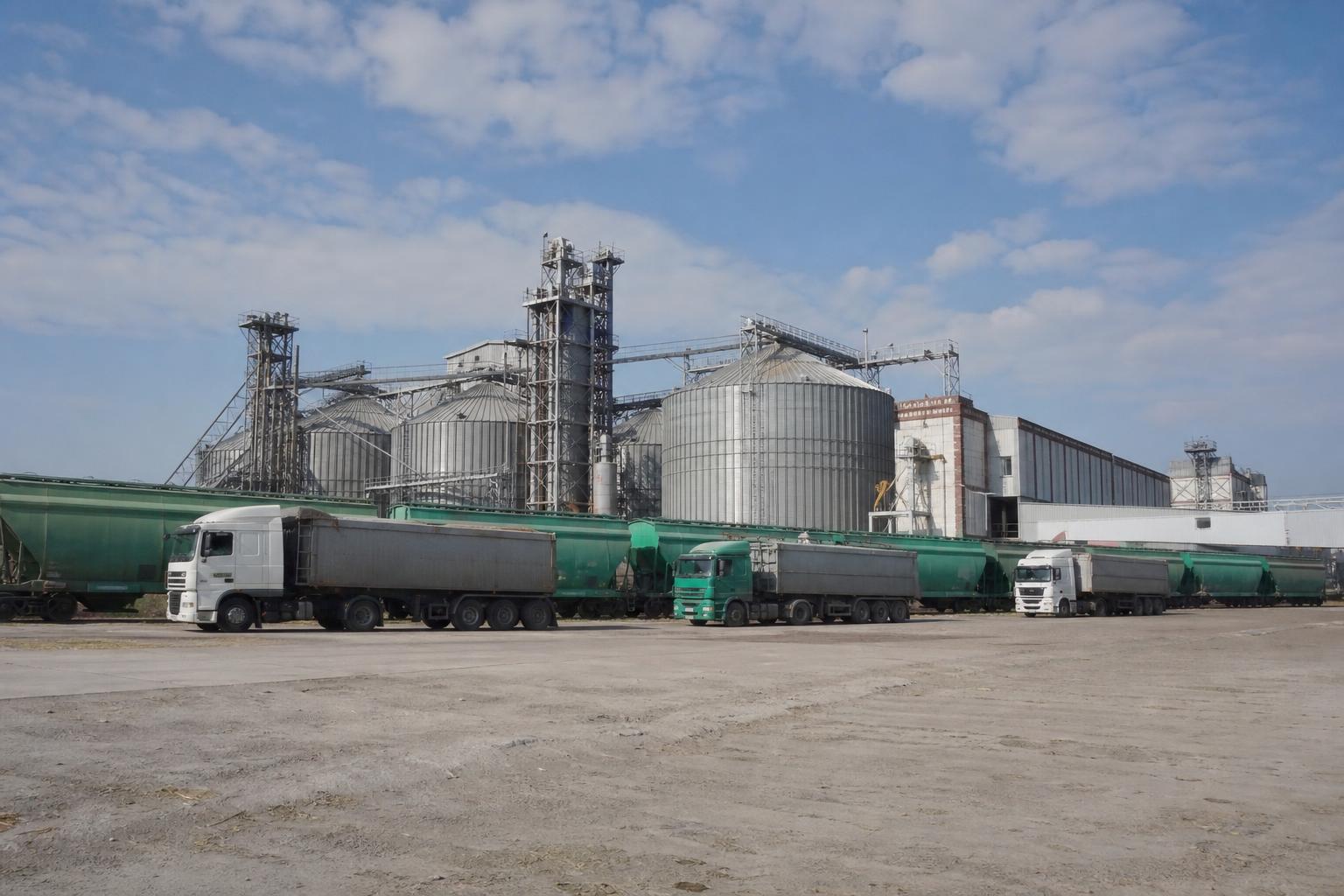
Ukraine's agricultural logistics remains one of the key factors in pricing for grains, oilseeds, and processing products. In the context of military risks, altered export flows, and transportation competition, it is no longer sufficient for sellers to focus solely on the commodity price at the elevator or warehouse.
For buyers, the importance of verifying routes, shipment deadlines, and actual delivery costs is also growing. In practice, the logistical component can determine whether a deal is profitable for both parties.
Logistics Becomes Part of Market Pricing
The annual report of a major Ukrainian agroholding indicates that security and logistical risks are increasingly factored into market prices. This is an important signal for the entire agrarian market: transportation costs, delay risks, and the availability of export channels are no longer secondary contract conditions.
For sellers, this means that offers without a clear delivery basis may appear less competitive. For buyers, a low product price can be offset by complex or costly logistics.
Export Flows Remain a Focus
The European Commission, according to media reports citing an internal document, is considering approaches whereby Ukraine, after joining the EU, could be offered specific access conditions to the agricultural market and support in restoring exports to traditional markets disrupted by Russian aggression.
For the logistics sector, this means that export direction issues will remain strategic. If the focus shifts to restoring supplies outside the EU, the importance of maritime, Danube, rail, and multimodal routes will grow, as well as traders’ ability to quickly reconfigure supply chains.
According to the annual report, one of Ukraine’s largest agroholdings processed 3.2 million tons of oilseeds in the 2026 fiscal year, including 2.7 million tons of sunflower. These volumes demonstrate that domestic processing remains a major driver of freight flows.
It was also noted that sales of edible oils reached 1.445 million tons. For the transportation market, this means demand not only for raw material delivery to factories but also for subsequent logistics of finished products to export or domestic sales channels.
What Sellers and Buyers Should Consider on AgroPost
- Define the delivery basis. Clarify whether delivery is included in the price, who bears costs and risks at each stage.
- Verify the route before the deal. Transportation costs can alter the economics of a sale even with an attractive product price.
- Agree separately on shipment deadlines. Delays can affect quality, documentation, and the execution of export contracts.
- Compare offers with similar conditions. EXW, FCA, or delivery to port are different commercial models.
What this means for the market: agricultural logistics in Ukraine is increasingly shifting from a service expense category to a market factor. Sellers should display clear delivery terms in listings, and buyers should evaluate not only the price per ton but the full cost of the product considering route, risks, and delivery time.
Comments
No comments yetNo comments yet - be the first.