
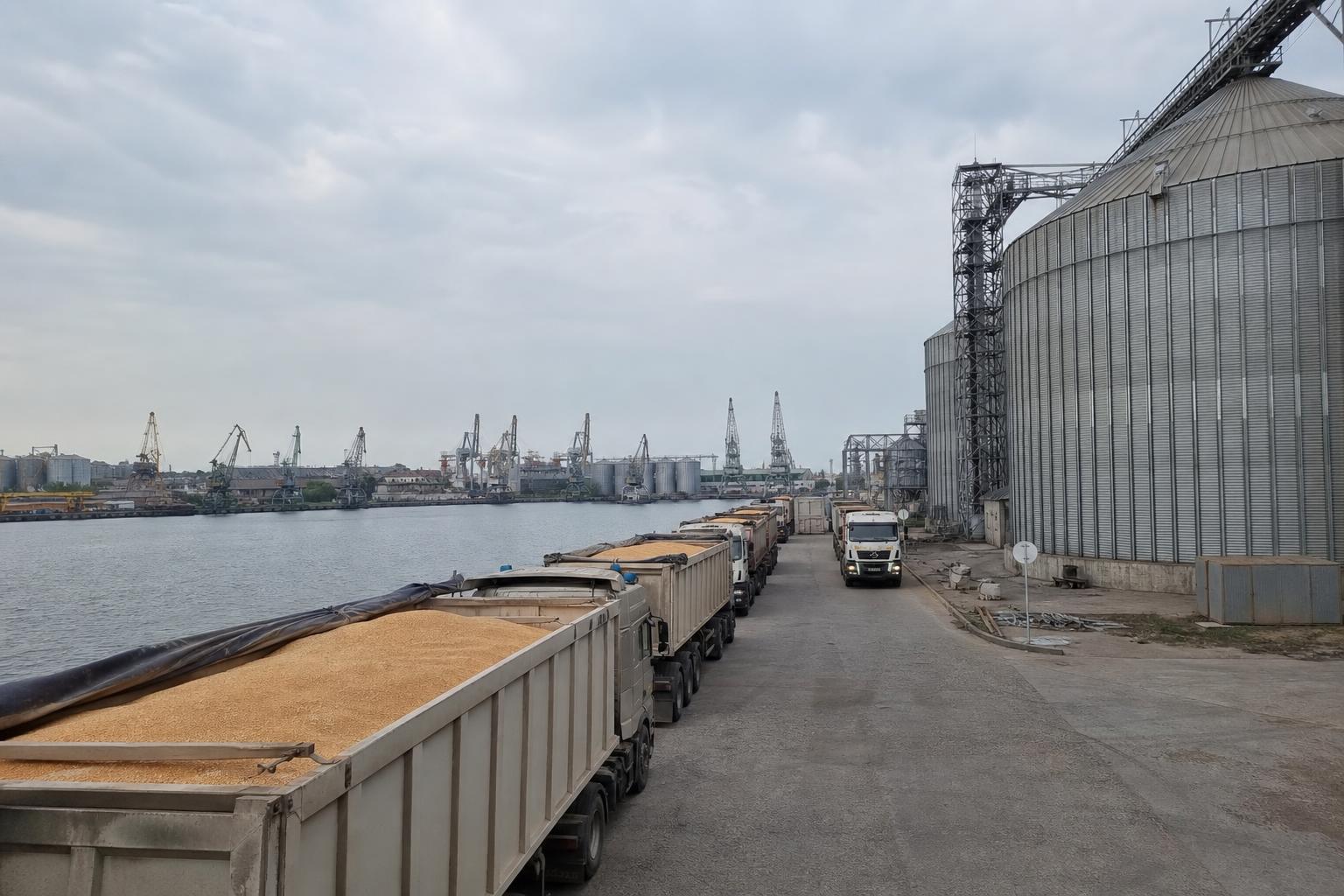
Ukrainian agricultural logistics remains sensitive to the situation around port and transport infrastructure. For grain, oilseed, and processing product sellers, this means that routes, shipment timelines, and payment terms must be verified before signing a deal, not after a buyer appears.
The latest signal to the market is the decision by Allseeds Group to suspend operations in the Odesa region. The company explained this as a response to deteriorating security conditions and intensified missile and drone attacks on the port and logistics infrastructure of the region.
Port Logistics: Risks Beyond Transportation Costs
Allseeds Group is one of Ukraine’s major producers and exporters of vegetable oils and meal. The company operates an oil extraction plant and an oil terminal at the Pivdennyi port.
In its statement, the group emphasized that safety of personnel was the primary concern, as well as the need to preserve production assets, infrastructure, human and operational capacity. The suspension is to be carried out in accordance with current legislation and with the possibility of restoration after stabilization of the situation.
For the market, this is not just a corporate news item but an indicator of the state of logistics environment in the south. If a producer or terminal limits operations due to risks, supply chain participants should factor in additional time for route confirmation, acceptance availability, and shipment schedules.
What Changes for Agro-Product Sellers
Domestic market sellers and export-oriented producers should carefully specify the logistics part of their agreements. This is especially important for batches planned for shipment through southern ports or related to oilseed processing.
- Confirm the acceptance point. Before booking transportation, obtain up-to-date confirmation from the elevator, terminal, processor, or freight forwarder.
- Fix responsibility for delays. During periods of infrastructure instability, delays can quickly erode margins.
- Update prices considering logistics. Even a favorable product price can become less attractive if routes are extended or require alternative options.
- Avoid selling "into the air". For large batches, it’s better to have a confirmed chain: warehouse — transport — acceptance point — payment terms.
What Buyers and Traders Should Consider
Buyers should evaluate not only product availability but also the realism of its delivery. If a lot is linked to a region with heightened security risks, it’s advisable to check transportation accessibility, insurance conditions, and route change possibilities in advance.
For traders, documentary confirmation of logistical restrictions in case of schedule disruptions is crucial. The market is already discussing risks of contract non-fulfillment when maritime or port logistics operate unstably, so contractual wording should be as practical as possible.
The key takeaway for agribusiness: in the transportation part of the agreement, it’s necessary to verify not only tariffs but also the physical ability to perform the shipment within the agreed timeframe.
Practical Guidelines for AgroPost
For listings on AgroPost, it’s recommended to clearly specify the basis of shipment, available transport types, approximate loading location, and readiness for alternative routes. This reduces negotiation time and minimizes the risk of a buyer or seller withdrawing from the deal after clarifying logistics.
If the product is near port infrastructure, communication with the counterparty should immediately clarify whether there are restrictions on vehicle access, working hours, queues, or acceptance of specific crops or processing products.
What this means for the market: Ukraine’s agricultural logistics remains operational but is increasingly dependent on the security of individual nodes. Agreements involving grain, oilseeds, and processing products should be based on current route confirmation, actual transport availability, and a clear division of logistical risks between parties.
Comments
No comments yetNo comments yet - be the first.