
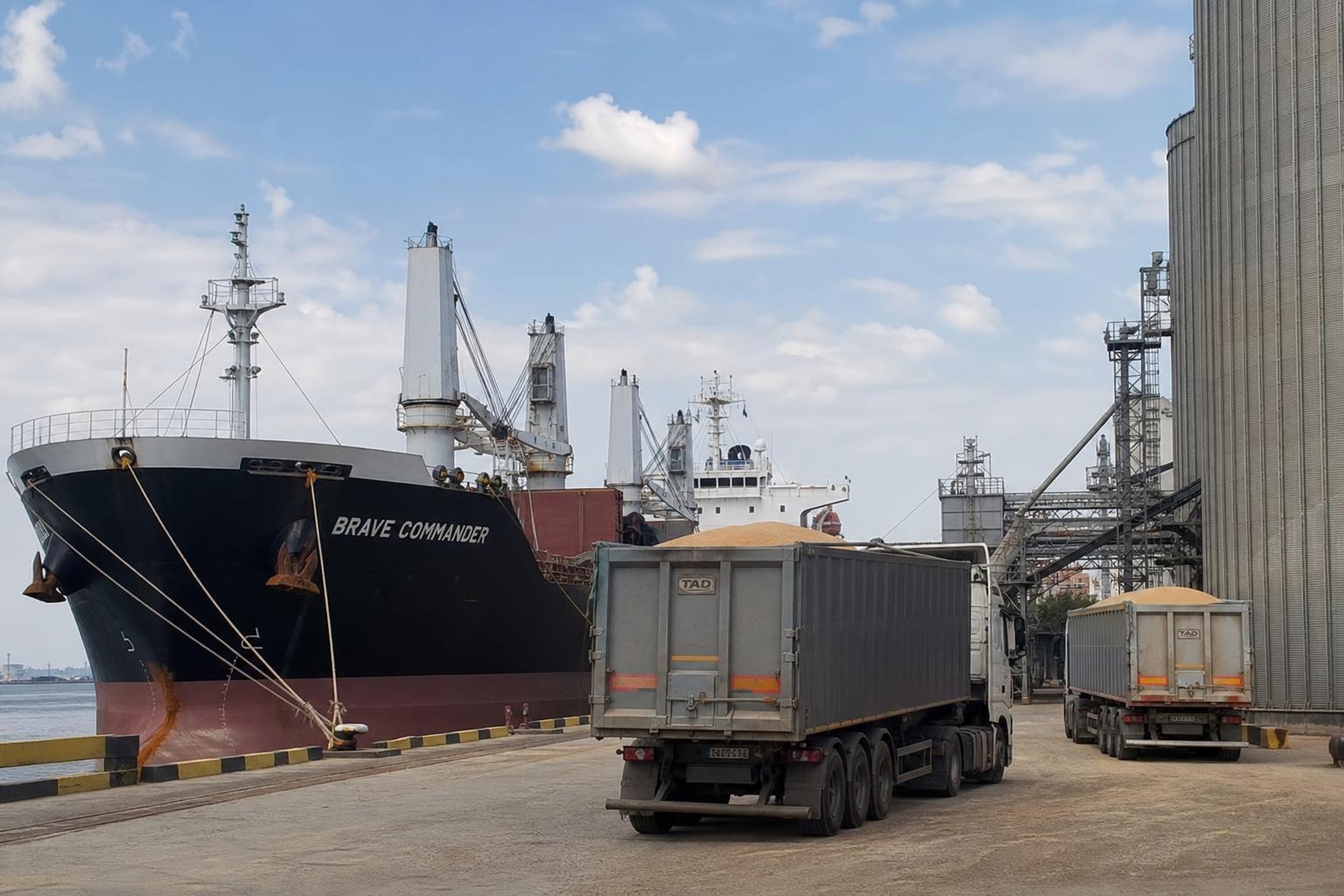
The Ukrainian grain market has once again received a reminder that maritime logistics remains a high-risk zone. On the night of June 22, Russian attack drones targeted civilian commercial vessels en route to Ukrainian ports in the Odessa region.
According to reports from industry sources citing the Ukrainian Sea Ports Authority (USPA), the Ukrainian Navy, and government officials, three ships under Panamanian, Palauan, and Belize flags were damaged. The most affected was the bulk carrier VICTRESS: a fire broke out onboard, the vessel sustained significant damage, and one crew member was killed.
Details of the Incident
The primary strike hit the Panamanian-flagged bulk carrier VICTRESS. Sources also indicate that the shipowner has ties to Turkey. Onboard were nine crew members — citizens of Egypt, Turkey, and India.
As a result of the attack, a 58-year-old Egyptian chef was killed. The other sailors were evacuated; reports mention the Ukrainian Navy's involvement in the rescue operation.
Two other civilian vessels — under Palauan and Belize flags — also sustained damage. According to available information, there are no casualties among their crews, and the ships continued their routes.
Why This Matters for Grain Contracts
For grain sellers, traders, freight forwarders, and elevators, this incident is significant not as an isolated event but as a factor for planning. The maritime route remains critical for large grain shipments, and any escalation in security risks can impact timing, vessel owners’ willingness to enter the region, risk premiums, and contract execution discipline.
At the same time, based on current facts, it is premature to conclude a halt in exports or a sharp price revision. Practical considerations now include confirming schedules, verifying delivery conditions, insurance coverage, alternative logistics options, and communication between sellers, buyers, and carriers.
What Sellers and Buyers Should Check on AgroPost
- Delivery Conditions. Clarify who bears risks at each stage: elevator, road transport, rail, port, vessel.
- Shipment Schedule. For batches passing through Odessa ports, ensure a confirmed slot and buffer time for possible changes.
- Documents and Quality. Logistics delays may increase requirements for certificate processing, analyses, and warehouse documentation.
- Alternative Routes. If the batch is time-critical, consider rail, road, or combined options in advance.
- Price Fixing. In unstable logistics, sellers and buyers should clearly specify whether the price includes delivery, transshipment, delays, and additional costs.
Signals for Elevators and Logistics Operators
Elevators should expect increased attention from clients regarding shipment timeliness and inventory transparency. If maritime schedules change, the elevator often becomes the point where the batch awaits further movement.
Logistics companies need to quickly update information on transport availability, dispatch priorities, and potential delays. For market participants buying or selling grain via AgroPost, this means: listings should immediately specify basis, available volume, storage location, and possible delivery options.
What This Means for the Market: The attack on civilian vessels does not justify hasty price conclusions but emphasizes the importance of logistical flexibility. In upcoming grain deals, preference will be given to batches with transparent origin, clear storage location, ready documentation, and a realistic delivery plan to port or an alternative route.
Comments
No comments yetNo comments yet - be the first.