
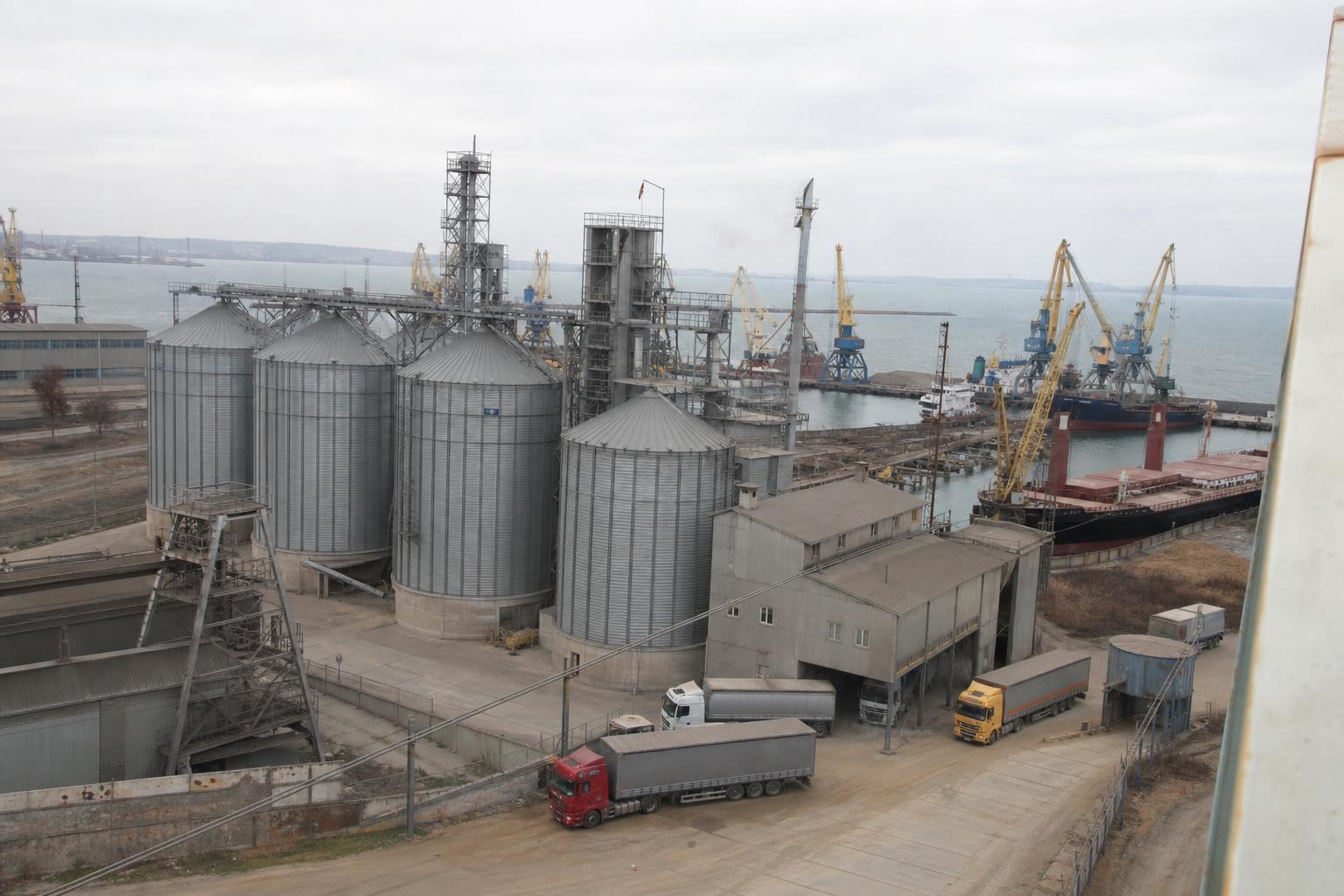
The Ukrainian grain market enters a new trading day with two practical signals for producers, traders, and elevators: the security of port logistics remains unstable, and internal storage efficiency increasingly depends on the level of automation.
For grain sellers, this means the need to more carefully plan shipment schedules, verify elevator readiness for peak loads, and incorporate logistical flexibility into commercial agreements.
Port Logistics: Risk Remains Part of the Price
On July 13, 2026, an attack was recorded on a civilian vessel flying the flag of Togo during the unloading of mineral fertilizers at a Ukrainian port in Odesa region. According to official reports, three crew members were killed, and five more sailors were injured.
There were also reports of damage to port infrastructure objects and other civilian facilities within port territories in Odesa region. For the grain sector, this is not a direct price indicator but an important factor for operational planning.
Exporters and buyers should consider that even without an official announcement of port operation mode changes, market participants may approach vessel scheduling, batch accumulation, and delivery terms more cautiously.
What Grain Sellers Should Consider
Against the backdrop of security risks, sellers of wheat, corn, and other grains should not limit themselves solely to price in the agreement. More important are the conditions of shipment, alternative routes, availability of elevator capacities, and the speed of documentation processing.
- Verify actual acceptance times at the elevator. During periods of logistical tension, storage delays can impact actual margins.
- Clarify rerouting conditions. If port directions are temporarily complicated, it’s crucial to have an agreed-upon alternative scenario.
- Record grain quality indicators before shipment. This reduces the risk of disputes between seller, elevator, and buyer.
- Separate responsibility for delays. Logistic delays should be specified in commercial terms and not resolved post-factum.
Elevators: Automation Moves from Advantage to Necessity
A separate challenge for the grain market is elevator productivity. According to Andriy Semenovych, director of Grain House, Ukrainian elevators of similar capacity often require significantly more personnel than US facilities: approximately a hundred workers versus about ten at more automated sites.
The key difference lies not only in equipment but also in process organization. Modern automation includes control of technological operations, digital record-keeping, data collection, monitoring of equipment status, and rapid response to deviations.
For elevators, this means less dependence on manual control, better management of grain flows, and potentially lower risks of emergency shutdowns. Systems that track conveyor operation, temperature, bearing conditions, and other critical parameters are especially relevant.
Key Takeaways for AgroPost Participants
- Port risk has not disappeared. Grain agreements should be planned considering possible logistics changes, even if prices on a specific day have not changed.
- Elevator efficiency influences competitiveness. Speed of acceptance, drying, cleaning, and shipment becomes an argument in negotiations between seller and buyer.
- Automation helps operate under staffing shortages. For elevators, it’s a way to stabilize processes; for agricultural producers, it’s a criterion for choosing storage partners.
- Documents and delivery conditions must be precise. In unstable logistics, minor discrepancies quickly turn into costs.
What this means for the market: Ukraine’s grain sector remains dependent on port route security, but some risks can be offset by better organization of internal infrastructure. For sellers on AgroPost, the practical focus is on offering grain with clear shipment conditions, confirmed quality, and transparent logistics. For buyers, it’s essential to evaluate not only price but also elevator reliability and realistic delivery timelines.
Comments
No comments yetNo comments yet - be the first.