
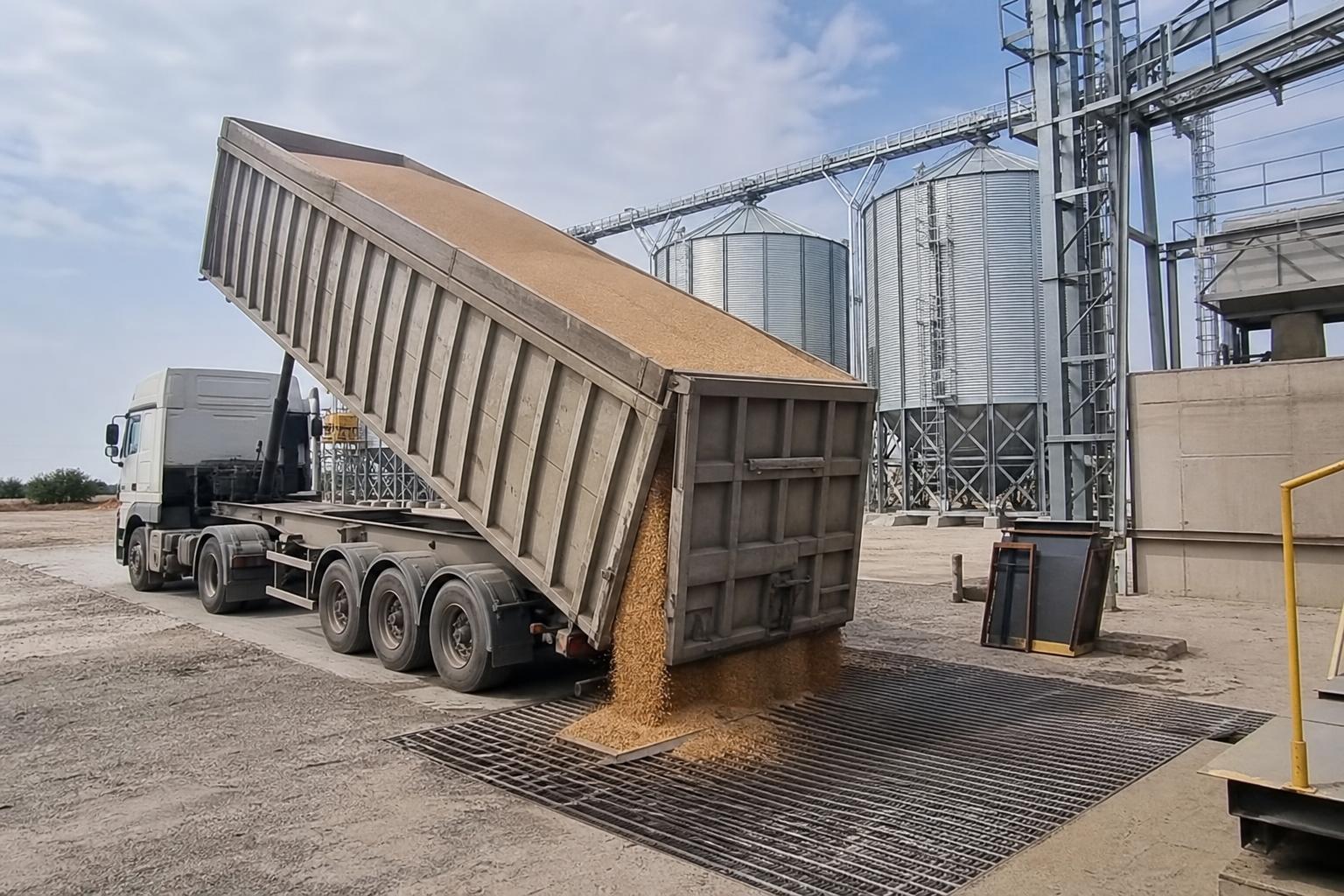
The Ukrainian grain market continues to restructure around two practical issues: where to safely store the new harvest and to whom to sell the grain if logistics or export channels change.
For AgroPost participants, this means that in grain sale announcements, not only crop type, volume, and quality become increasingly important, but also linkage to the elevator, region of shipment, and the ability to quickly confirm logistics.
Elevator Infrastructure: Businesses Seek Operational Sites
"OptimusAgro Trade" has started working with Buzivsky VSP in Dnipropetrovsk region. According to the company, the elevator is already accepting the new harvest grain.
This step was prompted by the loss of their own elevator capacities in Dnipropetrovsk region. The company explains that leasing a new site was necessary to maintain its customer base, partnerships, and jobs for employees who remained unemployed after losing their facilities.
The declared target for Buzivsky elevator is an annual turnover of 60,000–100,000 tons in the marketing year. However, actual volumes will depend on external factors, including security situation, logistics, and grain supplier activity.
Implications for Grain Sellers
For farmers and traders in frontline or high-risk regions, the main concern is not just price but guaranteed acceptance, processing, storage, and subsequent shipment capabilities.
Leasing operational elevators by large operators may intensify competition for grain in local supply zones. For sellers, this is a reason to clarify acceptance queues, storage conditions, service tariffs, and quality requirements in advance.
- For producers: specify the actual storage location or the nearest elevator to help buyers plan logistics faster.
- For traders: verify the availability of capacities for the specific shipment period, not just negotiate the price.
- For elevators: transparent conditions for accepting new harvests can become a competitive advantage in regions where infrastructure has been lost or operates under restrictions.
Corn and Bioethanol: Domestic Processing as an Additional Sales Channel
A separate signal for the grain sector is the development of the bioethanol industry. According to the Ministry of Economy, bioethanol production capacities in Ukraine have increased by more than 2.5 times, or 160%, over the past year.
Currently, 10 out of 17 licensed bioethanol producers are operational. Current production is estimated at 180–200 thousand tons per year, and existing capacities already allow doubling output.
For the corn market, it is important that one plant with a capacity of 100,000 tons of bioethanol per year can process up to 350,000 tons of corn or other biomass. If the industry truly ramps up production, this could increase internal demand as an alternative to exports.
Key Guidelines for Deals on AgroPost
In the short term, grain sellers should prepare information for deals more carefully. Buyers respond faster to proposals where it is immediately clear where and how the batch can be collected.
- indicate the crop, class, or basic quality indicators if already confirmed;
- add the storage region and the nearest elevator or shipment station;
- specify separately whether delivery, self-pickup, or re-registration at the elevator is possible;
- for corn, consider not only export demand but also potential interest from processing plants.
What this means for the market: the grain season increasingly depends on access to operational infrastructure and flexible sales channels. Elevator solutions shape local competition for the harvest, and bioethanol development may gradually expand domestic demand for corn. For sellers, proposals with clear logistics, confirmed quality, and transparent shipment conditions will have an advantage.
Comments
No comments yetNo comments yet - be the first.