
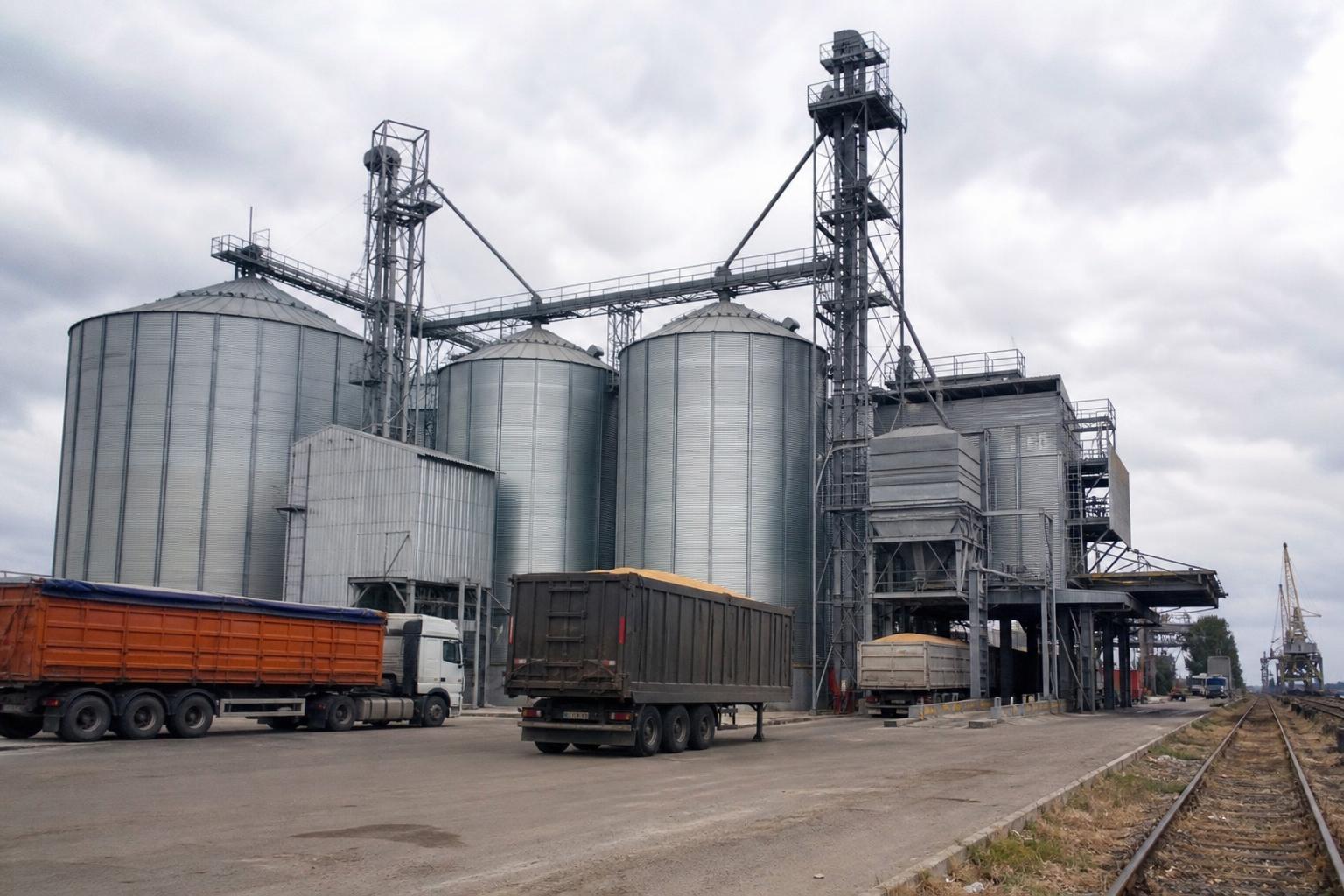
For the Ukrainian grain market, logistics is once again taking center stage. Port risks, terminal conditions, and the availability of alternative routes directly influence how quickly a seller can dispatch a batch and how reliably a buyer can receive a consistent delivery schedule.
Recent market reports indicate two parallel trends: part of the infrastructure is suffering war-related damages, while some ports are seeking new international partnerships. For AgroPost participants, this means the need to more precisely calculate not only the grain price but also the logistical scenario of the deal.
Port Risks: What Grain Owners Need to Know
Following Russian attacks on port infrastructure in Chornomorsk, Kernel reported the suspension of terminal operations and damage to loading and unloading equipment.
Preliminary estimates suggest that approximately 45,000 tons of wheat were blocked, lost, or degraded in quality due to the destruction. This serves as an important signal for the market: even a formed export batch does not always guarantee quick shipment if the supply chain depends on a specific terminal.
Grain sellers should separately verify acceptance conditions, liability for delays, the possibility of rerouting cargo, and quality requirements after delays. This is especially relevant for wheat, where class and quality indicators can influence the final transaction price.
Bilehorod-Dnistrovskyi Port Looks Toward International Routes
LLC Bilehorod-Dnistrovskyi Port and the Kazakhstan project-logistics company TRANS EXPEDITION signed a memorandum of strategic partnership and cooperation.
The parties announced their intention to develop transport and port infrastructure, as well as international routes within the Trans-Caspian International Transport Route, known as the Middle Corridor.
The memorandum also envisions organizing transshipment of export-import cargoes through Bilehorod-Dnistrovskyi seaport, gradually increasing freight volumes by 2031, exchanging expertise, and developing joint infrastructure and investment projects.
The announcement does not specify that the cargoes are specifically grain. However, for the grain sector, the development of port and multimodal logistics is significant for monitoring: alternative routes can become a factor in negotiations among sellers, traders, elevators, and carriers.
What Grain Sellers Should Consider on AgroPost
- Batch Location. The announcement should clearly specify the region, distance to the nearest elevator or railway station, and the possibility of self-pickup.
- Grain Condition and Quality. For wheat, it is important to specify class, moisture, protein, gluten, and other verified indicators if available.
- Readiness for Alternative Logistics. If the batch can be shipped by truck, rail, or through multiple routes, it increases buyer interest.
- Storage Conditions. Availability of grain at the elevator, in bulk storage, or on farm affects transaction speed and quality risks.
What Buyers and Traders Should Pay Attention To
Buyers should clarify not only the price on a basis but also the actual availability for shipment. If the grain is already queued at a specific terminal or depends on a single logistics route, this can alter the contract execution timelines.
For traders and processors, it is useful to compare batches not only by price per ton but also by total delivery cost, delay risks, and the ability to quickly reorient the route.
What this means for the market: In the near-term market operations, grain producers need to more carefully combine sales, storage, and logistics. The most competitive offers will be those where the seller immediately provides clear quality, actual shipment location, and multiple delivery options.
Comments
No comments yetNo comments yet - be the first.