
Ukrainian agricultural logistics is entering a period where access to deep-water Black Sea ports remains not only an operational factor but also a price determinant for the grain market.
According to ASAP Agri scenarios, prolonged blockage of Ukrainian and Russian deep-water ports could significantly alter trade flows of wheat in Asia. In such a scenario, Ukraine's wheat exports in 2026/27 MY could decrease to 5–10 million tons.
Why port factors are back in focus
Deep-water ports remain the primary route for large grain shipments, especially when targeting distant markets. If their operation is restricted, sellers face not only transportation issues but also the risk of losing buyers to closer or more stable suppliers.
ASAP Agri also considers a scenario where Russian wheat exports could decline to approximately 25 million tons under significant port restrictions. This is important for the Ukrainian market not as a direct comparison but as a signal: changes in Black Sea logistics impact the supply balance for major importers.
Asian buyers may adapt more quickly
The forecasts highlight Bangladesh as a country heavily dependent on wheat supplies from the Black Sea region. In case of prolonged disruptions, importers may actively seek alternative suppliers.
For Bangladesh, India is seen as such an alternative: proximity, high harvest volumes, and the opening of export quotas could strengthen its position in this direction. For Ukrainian exporters, this means that even temporary logistical uncertainties can shift the buyer’s bargaining position.
What sellers on the domestic market should consider
- Route should be part of the price. Grain proposals should clearly separate the base price of the product and logistical terms so that the buyer sees the actual cost of fulfilling the contract.
- Delivery timelines need a margin. During port logistics instability, short deadlines increase the risk of penalties or renegotiation of terms.
- Buyers value predictability more. Having a confirmed route, carrier, or shipment point at the elevator can be an argument in negotiations.
- Alternative routes are not always cheaper. They can be critical for contract fulfillment but require preliminary tariff calculations, queues, and transshipment considerations.
Practical focus for AgroPost
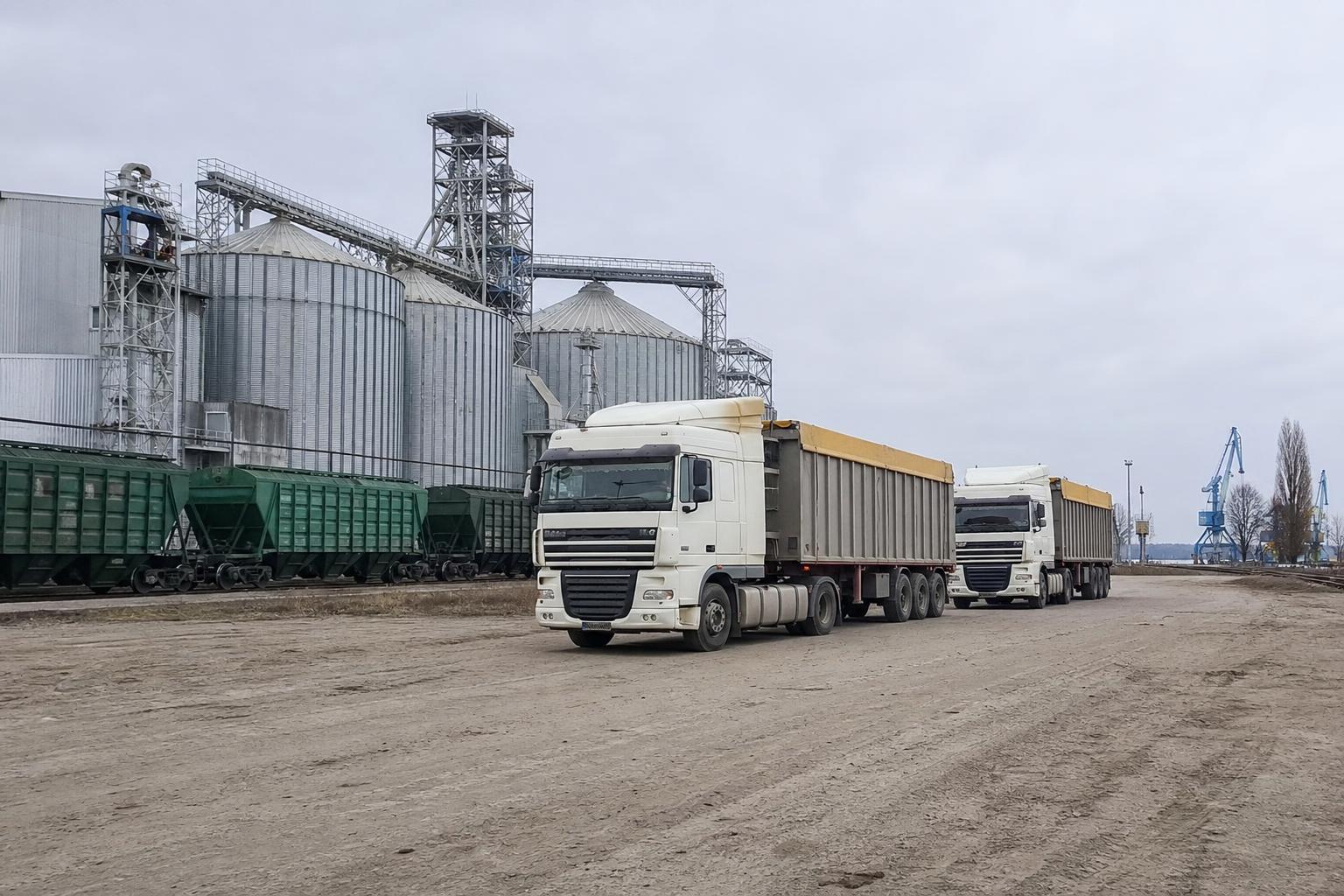
For grain sellers on the marketplace, it is important to immediately specify the available type of shipment: road transport, rail, elevator, port, or Danube direction. This reduces clarification time and helps find a real buyer faster.
For carriers and logistics operators, relevant announcements include specifics: operating region, available directions, transport type, capacity for large shipments, and booking conditions.
What this means for the market: Black Sea logistics remains a key risk for Ukrainian grain exports, and the seller’s competitiveness increasingly depends not only on wheat prices but also on the ability to confirm a real, flexible, and transparent delivery route.
Comments
No comments yetNo comments yet - be the first.