
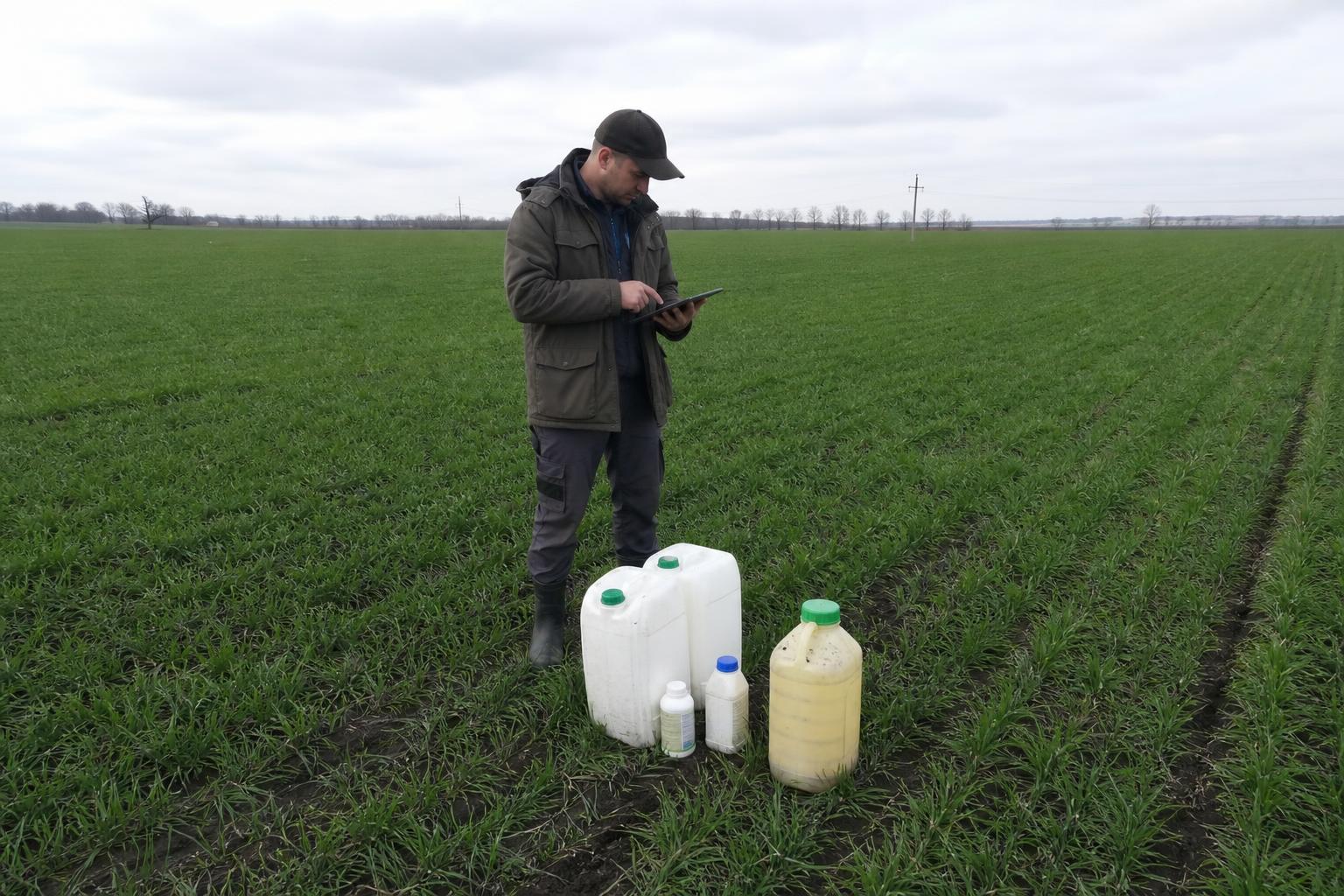
Autumn crop protection planning in Ukraine enters a phase where farms assess not only their needs for herbicides, fungicides, and seed treatments but also their available cash flow for procurement. For ZZR suppliers, this period is crucial for offering clear delivery terms, packaging options, and deferred payments, while buyers should be consolidating their requirements ahead of peak demand.
According to open market reports at the end of September, there is no direct statistical data on pesticide prices in Ukraine. However, several related indicators influence farmers’ behavior: grain price dynamics, personnel expenses, and the need for working capital to fund field operations.
Crop Protection Products Remain Part of Financial Planning, Not One-Time Purchases
For farms working with grain and oilseed crops, procurement of crop protection products is directly linked to cash flow schedules. If harvest realization is delayed or prices do not meet expectations, farmers tend to make phased purchases: starting with basic products, then adjusting based on field monitoring results.
In the grain market, it has been noted that wheat prices at Ukrainian ports increased by $3–5 per ton over a week, while the domestic market remained relatively stable. Demand prices for second-grade wheat ranged from 6,500 to 7,800 UAH/ton FOB, and for feed wheat — from 5,000 to 7,500 UAH/ton FOB. For feed barley, prices stayed stable at 5,500–6,700 UAH/ton FOB.
These figures do not directly indicate ZZR costs but are important for assessing the solvent demand. When working with agricultural producers, it is essential to consider that some clients base their purchasing decisions on grain sales revenue rather than the calendar need for products.
Demand Shifts Toward Practical Offers
Buyers of crop protection products increasingly seek not just the lowest price but clear conditions: stock availability, shipment timelines, documentation, registration of the product, and the ability to purchase the required volume without excess leftovers.
For AgroPost sellers, this means that ads with comprehensive information are more likely to attract quality inquiries. In the 'Crop Protection' category, it is advisable to specify the crop, active substance, formulation, application rate according to the label, packaging, and region of shipment.
- For buyers: verify product registration, remaining shelf life, and crop suitability.
- For sellers: indicate actual stock availability and be transparent about delivery and payment conditions.
- For farms: separate mandatory purchases from reserve items, which depend on phytosanitary conditions.
Personnel Factors Also Impact the Protection Market
According to State Statistics Service data, the average salary of a full-time employee in agriculture, forestry, and fisheries in August 2026 was 29,541 UAH. Compared to July, this represents an increase of 96 UAH, or 0.3%.
Market reviews also indicate that in the first half of 2026, the agronomic sector was among the areas where companies most actively reviewed wage levels. For most companies increasing wages in these functions, growth ranged from 10% to 20%.
For the ZZR market, this is not a direct price factor but a sign of a shortage of qualified support. Proper crop protection schemes, timely application, and effectiveness monitoring are becoming as important as the purchase price itself.
Key Conclusions for AgroPost
- There are no confirmed data on price changes for herbicides, fungicides, or insecticides from the sources provided.
- Current decisions regarding crop protection products should be linked to cash flow, delivery timelines, and actual crop needs.
- Rising personnel costs increase demand for quality consultations and precise application protocols.
- Sellers should make their ads as specific as possible: product, active substance, packaging, region, documentation, and shipment conditions.
Implications for the market: in the near future, demand for crop protection products in Ukraine may remain selective and tied to farm financial capabilities. For buyers, it is crucial not to delay assessing needs until peak season, and for sellers — to approach the market with transparent offers that reduce risks for farmers.
Comments
No comments yetNo comments yet - be the first.