
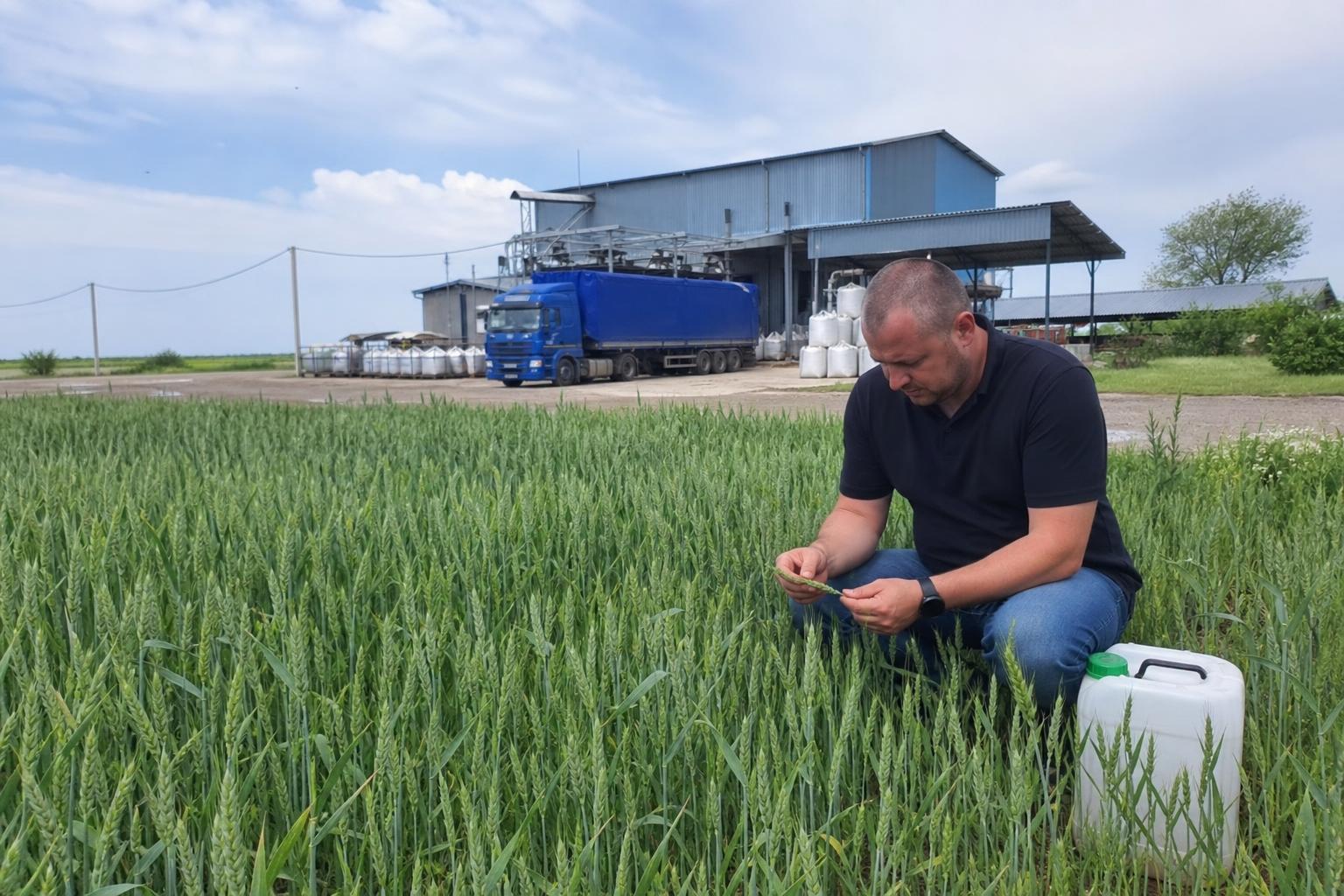
The crop protection market in August is directly influenced not only by the phytosanitary situation in the fields but also by the overall state of agricultural logistics. When grain exports slow down, farmers become more cautious with their expenses, and suppliers of crop protection products carefully assess shipment timelines and client payment discipline.
According to railway transportation market participants, in the first 11 days of August, Ukrzaliznytsia exported 201.7 thousand tons of grain. This is significantly less than in July and the same period last year. For the crop protection segment, this is not a direct demand indicator but an important background factor affecting farmers’ procurement activity.
Changes in Agricultural Logistics
In the first decade of August, total railway grain shipments in Ukraine amounted to 435.8 thousand tons. Notable reductions were reported compared to both July and August 2025.
The most significant decline was observed on the Black Sea port routes: over 11 days in August, 75.2 thousand tons of grain were transported there, nearly 89% less than in July. Meanwhile, volumes increased at western border crossings and to Izmail.
For crop protection product sellers, this means that regional demand patterns may become less uniform. Farms that rely heavily on quick grain sales via maritime logistics might delay some off-season purchases or seek more flexible payment terms.
Why This Matters Specifically for the Crop Protection Market
August is a period when some farmers already evaluate their needs for autumn treatments, desiccation, fallow control, and preparation for the next season. Under these conditions, buyers more often compare not only prices but also stock availability, delivery speed, and authenticity guarantees.
For suppliers of herbicides, fungicides, insecticides, and seed treatments, the key focus shifts from aggressive product range expansion to precise inventory management. This is especially critical for positions with a short seasonal application window.
- Buyers should clarify in advance the availability of crop protection products and realistic delivery times to their region.
- Sellers should clearly specify packaging, active ingredients, recommended crops, and shipping conditions.
- Farmers should differentiate critical purchases for the current season from planned acquisitions for 2027.
Black Sea Factor and Market Participants’ Expectations
The ongoing situation in the Black Sea remains an uncertainty factor. Reports indicate that Ukraine, through a third party, proposed Russia mutually cease attacks on civilian objects in the maritime area. However, no official confirmation of agreements has been received.
Following this information, wheat futures on the European market slowed their growth after reaching a two-week high. For the crop protection market, this is an important indicator of farmers’ expectations regarding export revenue and liquidity, but not a direct price benchmark for products.
Practical Conclusions for AgroPost
In the "Crop Protection" category, buyers are currently primarily seeking clear conditions: product availability, quick shipment options, accompanying documentation, and suitability for specific crops.
Sellers on AgroPost should update product listings: add current stock levels, shipment regions, minimum order quantities, delivery times, and contact details for quick coordination. During periods of logistical uncertainty, such details can be as important as discounts.
Implications for the market: demand for crop protection products in Ukraine remains linked to seasonal field needs, but purchasing decisions increasingly depend on logistics, cash flow, and the availability of specific products. Buyers should avoid delaying critical purchases, while sellers should ensure transparent stock information and flexible delivery conditions.
Comments
No comments yetNo comments yet - be the first.