
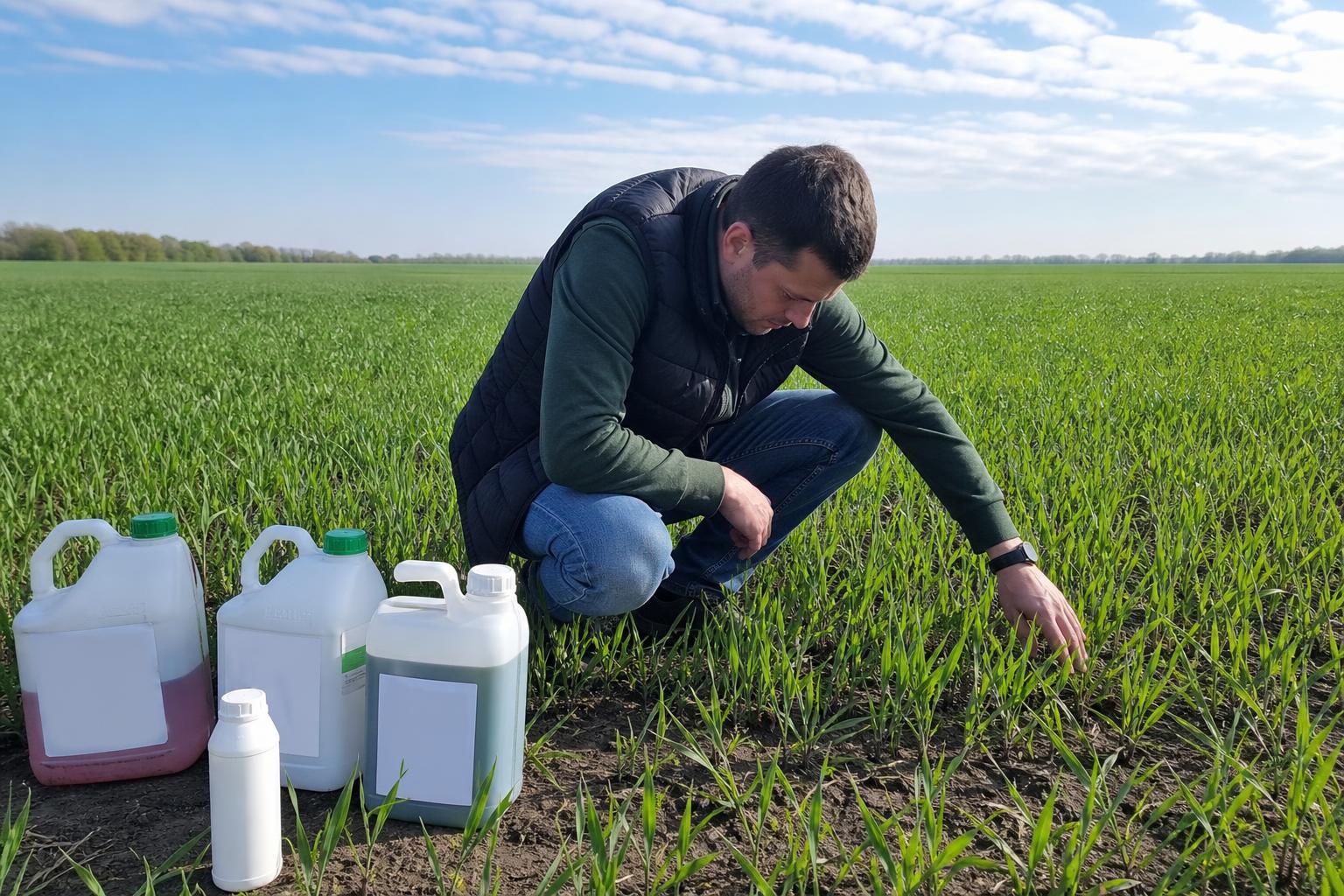
The crop protection market in Ukraine remains sensitive to the quality of information in commercial offers. For an agricultural producer, a mistake in choosing a herbicide, fungicide, or insecticide can cost more than the price difference between two listings.
The provided information package does not contain verified data directly about prices, availability, or regulatory changes concerning pesticides. Therefore, this digest focuses on a practical conclusion for trading on AgroPost: offers in the crop protection category should be as verified and specific as possible.
What Pesticide Buyers Need to Know Before Making a Deal
Buyers primarily evaluate not only the cost of the product but also the risks: whether the product matches the declared crop, whether the active ingredient is clear, and whether there is information about packaging, batch, expiration date, and storage conditions.
For herbicides, it is critical to correctly specify the crop, application stage, and weed spectrum. For fungicides — the crop, diseases targeted, and formulation. For insecticides — the object of protection and target pests.
- Check the label and packaging before payment or shipment.
- Clarify the origin of the product and the availability of documents with the seller.
- Do not rely solely on the lowest price if the listing lacks basic characteristics.
- Document the terms of the deal in writing: volume, packaging, payment, delivery, and responsibilities of the parties.
What Sellers Should Include in Their Offers
Listings in the pesticides category should answer practical questions from agronomists or procurement specialists. The more precise the description, the fewer clarifications needed in chat, and the higher the trust in the seller.
It is advisable to clearly specify the type of product: herbicide, fungicide, insecticide, seed treatment, desiccant, or other crop protection products. Additionally, specify the active substance, concentration, packaging, available volume, and shipment region.
If the seller offers remaining stock from a warehouse, it is important to honestly describe the packaging condition, expiration date, and storage conditions. This reduces the risk of disputes and helps the buyer make a quicker decision.
Where Main Risks Arise in the Pesticide Market
The greatest questions from buyers arise where the product description is incomplete or too general. Phrases like “quality product,” “an analogue of a well-known brand,” or “effective against all weeds” without specifics do not provide a sufficient basis for purchase.
For the professional market, it is important to distinguish between commercial advertising and verified characteristics. If the seller claims high efficacy, compatibility, or advantages of the product, they should have documents or official materials to confirm this.
Practical guideline for AgroPost: the more expensive or specialized the product, the more important documents, photos of labeling, transparent communication, and seller reputation become.
Brief Conclusions for AgroPost Participants
- Buyers should prefer listings with complete product descriptions and clear sale conditions.
- Sellers of pesticides should add as much technical information as possible without exaggeration.
- For herbicides, fungicides, and insecticides, it is important not to mix different crops and application scenarios in one description without explanation.
- Providing documentary proof of the origin and characteristics of the product increases trust and shortens negotiation time.
What this means for the market: in the crop protection category, competition increasingly depends not only on price but also on transparency of offers. For AgroPost, this means that well-structured listings with pesticides will have an advantage over cheaper but incomplete or unverified proposals.
Comments
No comments yetNo comments yet - be the first.