
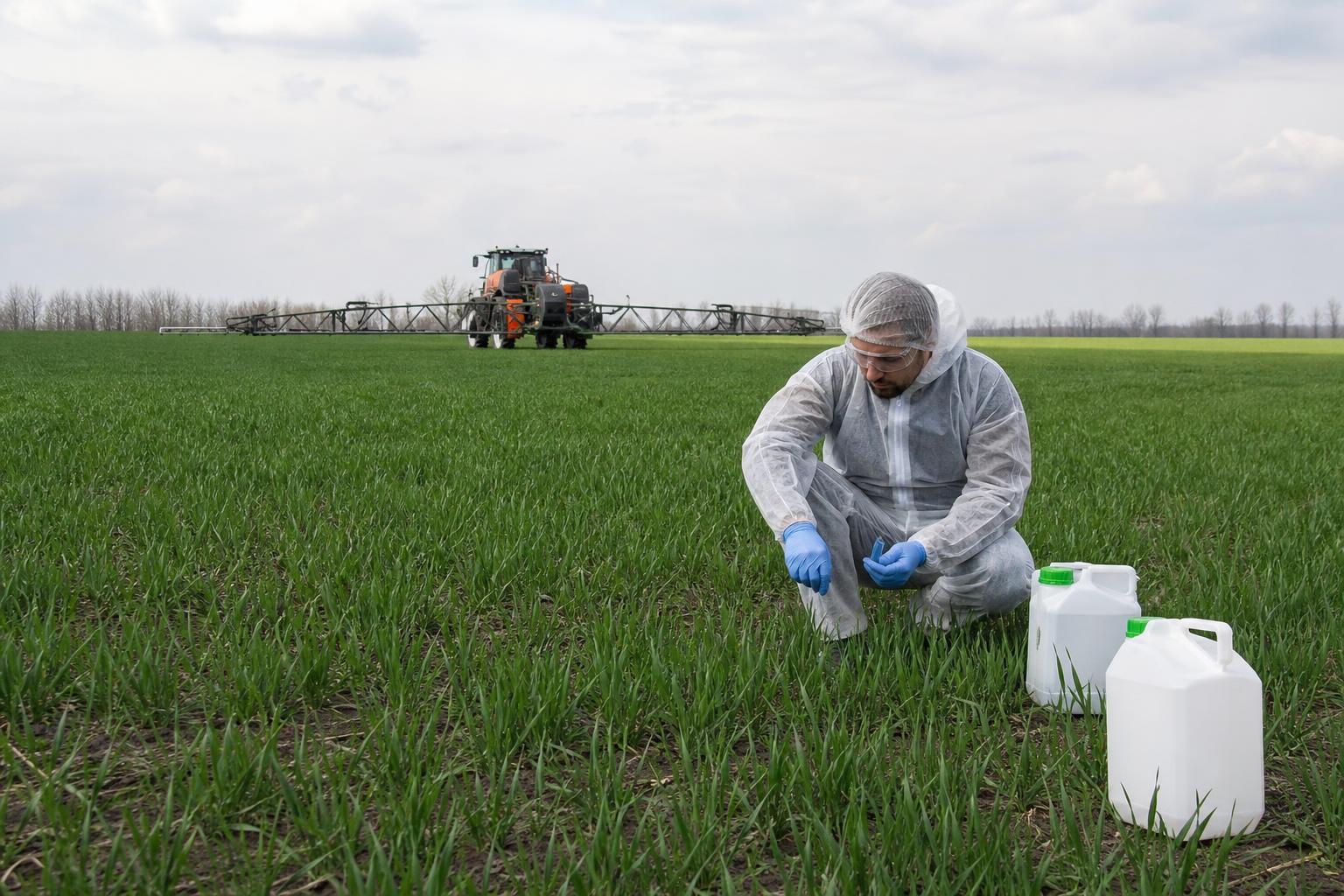
The Ukrainian crop protection market is entering the autumn planning period without the anticipated additional grant resources from the European Union. According to agricultural media reports, the EU has refused Ukraine's request for an additional €220 million in non-repayable aid for farmers, instead recommending the use of existing support mechanisms.
For buyers of herbicides, fungicides, seed treatments, and other crop protection products, this serves as a practical signal: purchases should be linked not only to agronomic needs but also to available financing. For suppliers, more important factors become deferred payments, partner credit products, and clear communication regarding product availability.
Funding Instead of Grants: What Changes for Crop Protection Purchases
The European Commission has stated that support for Ukrainian farmers will continue through existing instruments. Among them are subsidized interest rates on loans within the Ukraine Facility, as well as credit programs through intermediaries for Ukrainian banks.
While this does not create a dedicated channel specifically for pesticide purchases, it influences overall farm liquidity. When working capital is limited, agricultural producers compare not only the price of the product but also payment terms, delivery schedules, and the possibility of including crop protection products in sowing financing.
Partnership Programs Become an Important Sales Channel
There are already examples in the market of expanding bank programs for the procurement of material and technical resources. For instance, OTP Bank announced financing for small and medium-sized agricultural producers within partnership programs with manufacturers and distributors of TMR on terms starting from 0.01% per annum for up to 12 months to prepare for the autumn sowing.
For the crop protection segment, this means that a seller's competitive advantage may not only be the price per liter or kilogram of the product. Buyers increasingly evaluate the total cost of the solution: the product, logistics, consultation, documentation, cashless payment options, and financial instruments.
State Credit Support Maintains Farmers’ Working Capital
According to data from agricultural media, during the week of August 14-20, the agricultural sector was additionally granted 3.5 billion UAH in loans under the "5-7-9%" program. A total of 11,943 entities utilized preferential credit for sowing.
For the crop protection market, this is an important indicator: some farms continue to seek financing for seasonal expenses. However, the availability of a credit program does not automatically generate demand for any particular product — farmers remain sensitive to price, application regulations, and proven quality.
What Sellers and Buyers Should Do on AgroPost
- Crop protection product sellers should immediately specify payment methods, deferred payment options, minimum order quantities, and regional availability in their offers.
- Buyers should develop a list of required products by crop and application stage, rather than purchasing on a residual basis.
- Distributors should strengthen their proposals with advice on norms, compatibility, and application timing, but without replacing official product instructions.
- Farmers should verify crop protection product registration, batch number, expiration date, and origin documents before payment.
What this means for the market: in the near future, crop protection product procurement in Ukraine will depend more on access to working capital and seller conditions than on new grant opportunities. On AgroPost, listings with clear pricing, transparent delivery terms, and understandable financial offers will have an advantage.
Comments
No comments yetNo comments yet - be the first.