
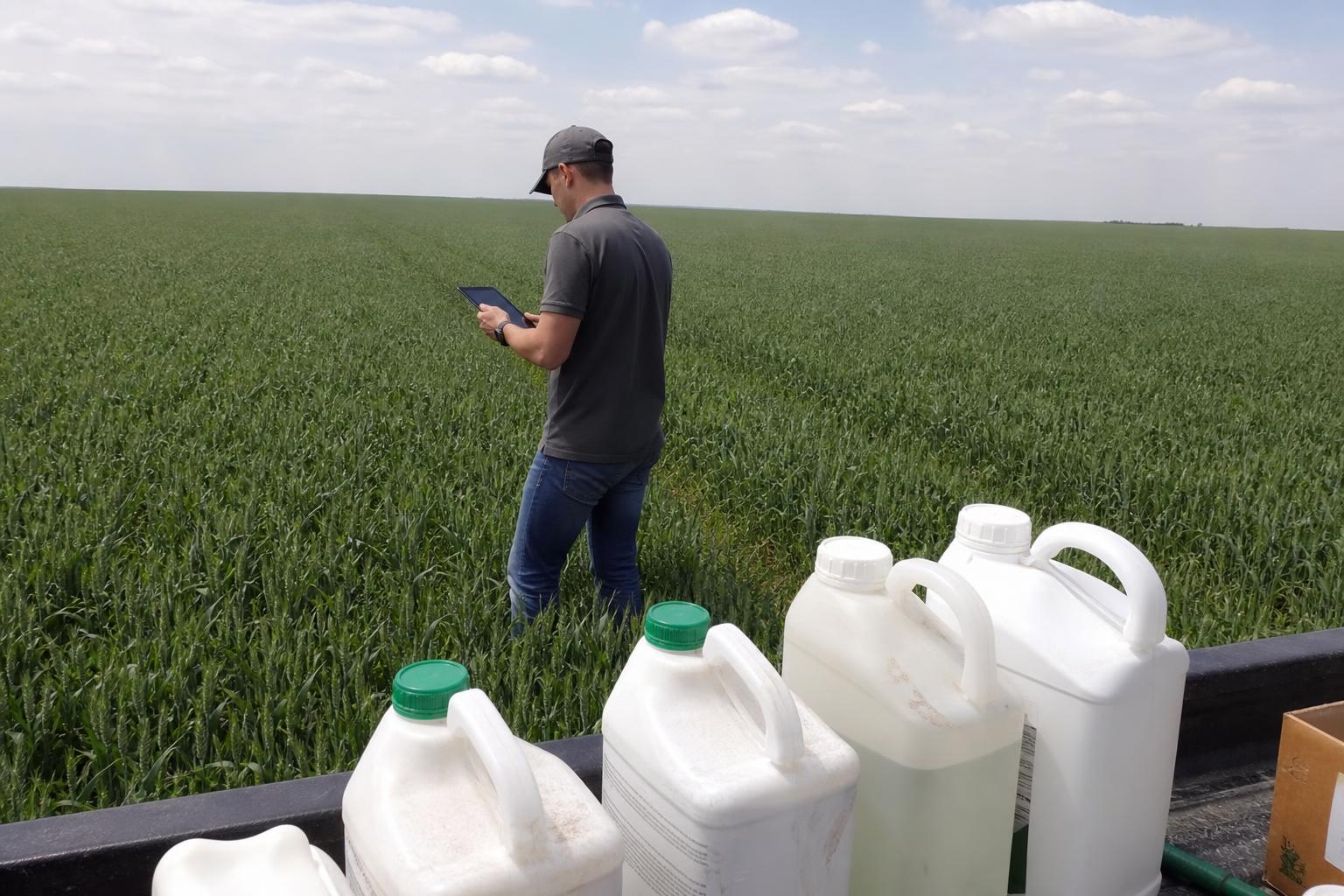
The Ukrainian crop protection market is entering a period when purchasing herbicides, fungicides, insecticides, and seed treatments demands increased attention to documentation and regulatory status of products.
For farmers, this means: choosing crop protection products should be based not only on crop type, growth stage, and price, but also on whether the active substance falls under restrictions within Ukraine's euro-adaptation framework.
Regulatory factors are becoming part of market pricing
Industry discussions highlight that over 100 active substances may be banned or require review as Ukrainian regulations align more closely with European standards.
Market participants also raise the issue of a lengthy transition period for adaptation. This is crucial for businesses, as manufacturers, distributors, and farms need to restructure product portfolios, protection schemes, and warehouse stocks.
A practical takeaway for buyers: inexpensive products without clear regulatory status, registration documents, or origin verification can pose risks during application and subsequent sales.
What farmers should verify before purchasing crop protection products
Before buying crop protection products, it is essential to request comprehensive information from the seller regarding the active substance, registration, manufacturer, batch, and usage conditions.
- Active substance name. It is important to cross-check it against current restrictions and regulatory change plans.
- Crop and application stage. The product must match the specific crop, weed spectrum, diseases, or pests.
- Product documentation. Buyers should verify registration data, labeling, instructions, and origin of the product.
- Warehouse residues. If a farm is purchasing large quantities, it is necessary to assess whether they can be used within permitted timeframes and regulations.
Special caution is advised when purchasing products widely used in cereals, oilseeds, and technical crops, where incorrect choice of crop protection agents can affect yield quality and commercial sale conditions.
How crop protection sellers should act on AgroPost
Transparency in listings becomes a competitive advantage for crop protection sellers. Buyers respond faster when they see not only the trade name but also the active substance, concentration, packaging, and product status.
It is advisable to clearly specify the product type in the listing: herbicide, fungicide, insecticide, seed treatment, or desiccant. Additionally, indicating the crops for which the product is intended and basic application guidelines according to instructions is recommended.
If the product has analogs or can replace items potentially subject to regulatory restrictions, this should be communicated carefully and without unsubstantiated claims of efficacy.
Key conclusions for the procurement season
- The crop protection market is gradually shifting from simple price comparison to verifying legality, origin, and regulatory status of products.
- Farmers should proactively coordinate protection schemes considering possible changes regarding active substances.
- Sellers need to update product descriptions and disclose information about composition and documentation.
- Buyers should avoid products lacking clear identification, even if the price appears attractive.
Implications for the market: demand for verified, documented, and clearly described crop protection products will grow. On AgroPost, this emphasizes the importance of quality listings: sellers gain more trust, and buyers face fewer risks when forming crop protection systems.
Comments
No comments yetNo comments yet - be the first.