
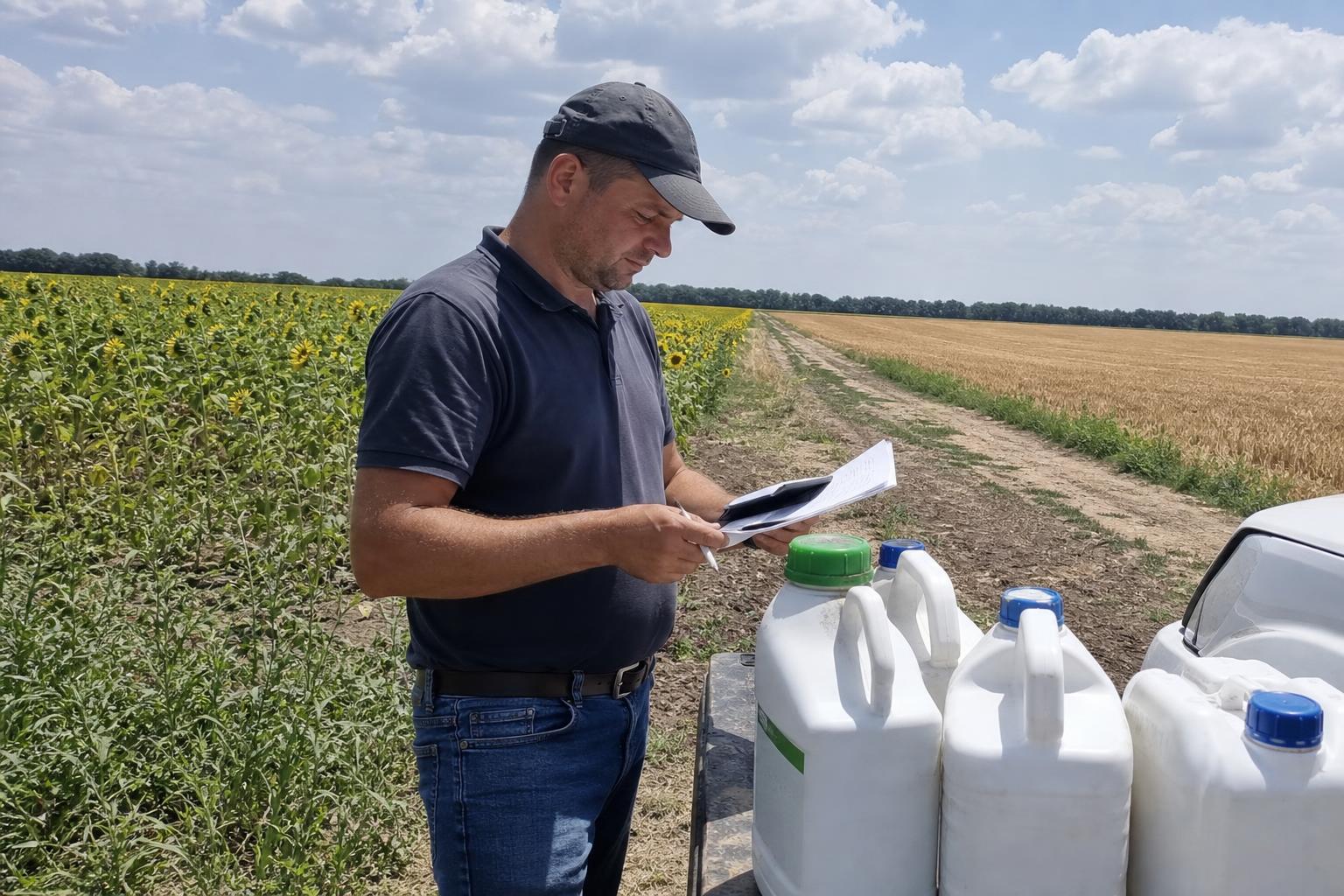
The harvest period for agribusiness is not only about grain sales and elevator operations. During this time, farms simultaneously address technological scheme adjustments, plan autumn activities, and review their needs for crop protection products.
For buyers and sellers of crop protection products (CPP) on AgroPost, the key focus shifts from high price forecasts to practical readiness: whether the product is available, how quickly it can be delivered, and whether the offer matches the crop, growth stage, and planned technology.
Logistics During Harvest: What Matters for Crop Protection Products
At the start of the harvest campaign, the grain transportation market has already responded to seasonal demand. According to one industry source, the main demand has shifted to short and medium routes, with freight rates for grain transportation increasing by an average of 3–17% compared to the previous week.
The most significant price increases were observed on short and medium hauls, which are the first to respond to the export of the new harvest from fields to the nearest elevators. On some routes, growth reached up to 22%.
For the CPP market, this does not automatically mean higher prices for products. However, it prompts buyers to clarify delivery conditions, shipment deadlines, and minimum order quantities in advance. For sellers, it is essential to specify the region of product availability, the possibility of self-pickup, and realistic order fulfillment timelines.
Sunflower in Focus: Lower Forecasts, More Precise Decisions Needed
The USDA in its July report lowered the forecast for sunflower production in Ukraine in 2026/27 to 13 million tons from 13.5 million tons in the June estimate. The forecast for sunflower oil production was also reduced to 5.42 million tons, and sunflower meal to 5.2 million tons.
For farms working with sunflower, such forecasts reinforce the need for careful planning of technological expenses. In the crop protection segment, this means paying closer attention to the compatibility of products with specific tasks: weed control, disease protection, tank mix compatibility, and adherence to application regulations.
Buyers should not rely solely on the lowest price in listings. It is important to verify the active substance, application rate, packaging, stock remaining, expiration date, and availability of product documentation.
What to Include in Crop Protection Product Listings
During active fieldwork, buyers quickly filter out incomplete offers. Listings with clear parameters are more likely to receive inquiries without lengthy correspondence.
- Crop and purpose: which crops and tasks the product is intended for — herbicidal, fungicidal, insecticidal, or seed treatment protection.
- Active substance: buyers often look for not only the trade name but also the specific active ingredient.
- Form and packaging: container type, bag, package, volume, or weight of the package.
- Availability: actual stock, warehouse, or settlement from which shipment is possible.
- Delivery options: self-pickup, shipment via carrier, regional delivery, or other conditions.
- Documents: certificates, invoices, origin documents, if available.
What Buyers Should Pay Attention To
Crop protection buyers should compare not only the price per liter or kilogram but also calculate the total cost per hectare, including application rates, logistics, and potential additional expenses.
If the product is needed urgently, specify not just the general phrase “available,” but also the exact warehouse, possible shipment date, and delivery method. During the season when transport is actively involved in harvest logistics, order confirmation times can be critical.
It is also important to verify application regulations, crop restrictions, growth stages, and waiting periods. These are matters of safety and compliance, not just market conditions.
Key Conclusions for AgroPost
- The crop protection market during harvest depends not only on product prices but also on availability and delivery logistics.
- Seasonal logistics loads make precise shipment timing a competitive advantage for sellers.
- Sunflower remains a crop where protection decisions should be economically justified.
- Complete listings with active substances, packaging, stock, and region increase buyer trust.
Implications for the market: In the crop protection segment, success depends on accuracy rather than loud offers. Buyers should plan CPP purchases with lead time, and sellers should update stocks, clearly specify logistics, and make listings as detailed as possible for quick deals on AgroPost.
Comments
No comments yetNo comments yet - be the first.