
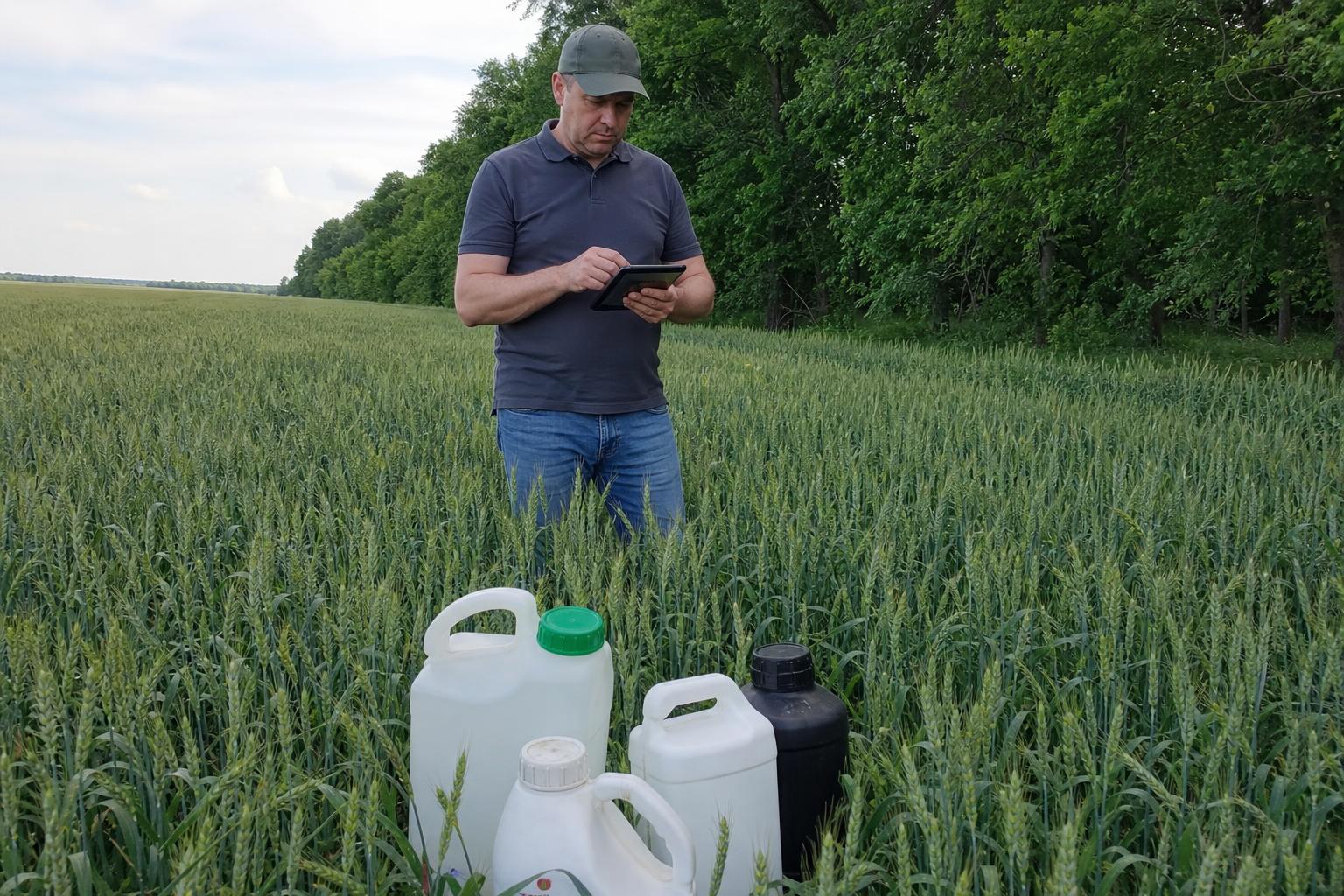
The plant protection market in Ukraine is entering the second half of the season with an additional risk factor: some crops may be lost or remain unharvested due to ongoing hostilities. The government is simultaneously developing a compensation mechanism for farmers operating in dangerous zones.
For suppliers and buyers of pesticides and agrochemicals, this is not only a matter of state support. It is a signal to review approaches to procurement, logistics, documentation of applications, and working with farms in frontline areas.
What is known about compensation for lost harvests
According to reports from specialized media, the government is working on a compensation mechanism for farmers whose crops have been destroyed or could not be harvested due to security concerns. This pertains to farms within a 50-kilometer zone from the front line or the state border with the aggressor country.
Payments are planned to begin in the first quarter of 2027, but final criteria have yet to be approved. Currently, the ministry is collecting and verifying information to formulate a budget request.
Separately, it is reported that this year a mechanism has been introduced to define risk-prone agricultural zones, which considers not only natural and climatic risks but also military threats. Such territories are being digitized and integrated into the State Agricultural Register.
Why this is particularly important for the pesticide market
In high-risk zones, farmers reassess the feasibility of spending on herbicides, fungicides, insecticides, and seed treatments. If there is a threat of crop loss or inability to access fields, purchasing large quantities of products in advance becomes a more complex decision.
At the same time, complete abandonment of crop protection can worsen the condition of crops where work is still possible. Therefore, flexible procurement, availability of products in smaller packages, quick delivery, and consultation on treatment priorities become crucial for such farms.
For agrochemical suppliers on AgroPost, this means clearly indicating availability, active ingredients, application crops, packaging, and regional dispatch areas. In risk zones, buyers will more often seek not just the lowest price but products that can be quickly obtained and used within a short technological window.
Documenting crops and treatments as part of risk management
According to available information, crop losses for future compensation are planned to be confirmed via satellite imagery, and where security allows, through on-site inspections. Until the procedure is approved, farmers are advised to record the consequences of shelling and transmit data through regional military administrations.
This also provides farmers with an incentive to maintain detailed field histories: which crops are planted, when treatments are carried out, which products are used, and accessible areas for work. Such data are helpful not only for potential compensation but also for negotiations with suppliers, insurance partners, and lenders.
As of the latest reports from specialized sources, approximately 3,000 hectares of agricultural land have been officially recorded as lost or inaccessible for harvest due to hostilities. These data may serve as a basis for further aid calculations.
Key takeaways for buyers and sellers of pesticides
- Buyers should plan crop protection scenarios: basic needs, a minimum set of critical treatments, and reserves in case of field access issues.
- Sellers should update product listings: active ingredient, crop, application rate, packaging, remaining stock, and delivery conditions should be immediately clear.
- Farms in risk zones need to document crop conditions, damages, and operations without waiting for final compensation procedures.
- The market is increasingly valuing local availability of pesticides, rapid logistics, and the ability to purchase products tailored to specific technological windows.
Implications for the market: crop protection in Ukraine is becoming more dependent not only on phytosanitary conditions but also on security situations in specific regions. On AgroPost, this enhances demand for transparent pesticide offers with clear availability, understandable logistics, and practical information for quick buyer decisions.
Comments
No comments yetNo comments yet - be the first.