
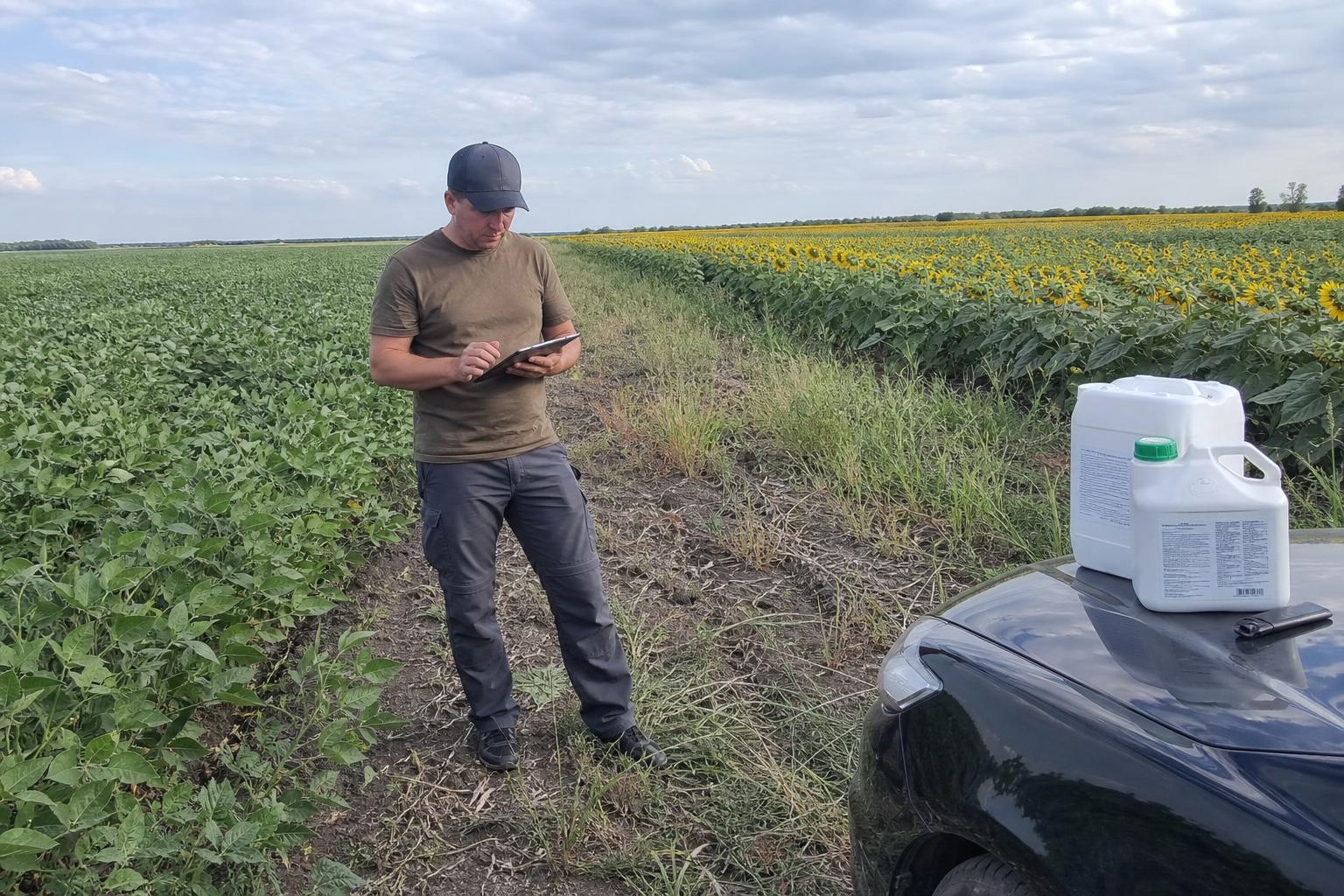
The Ukrainian crop protection market is entering a period where purchasing decisions increasingly depend not only on agronomic factors but also on export and logistical conditions. For AgroPost's audience, this means the need to quickly compare offers based on availability, active ingredients, packaging, and delivery terms.
Special attention is given by agricultural producers to oilseed crops. India has reduced import duties on vegetable oils, notably lowering the basic rate for crude sunflower oil from 10% to 0%, and the total tariff from 16.5% to 5.5%. While this does not guarantee an automatic price increase for Ukrainian producers, it emphasizes the importance of raw material quality and crop stability.
What Buyers of Crop Protection Products Need to Know
For farms, the main rule is not to delay the selection of products until the moment when treatment is urgently needed. When choosing crop protection products, it’s essential to verify whether the product is actually in stock with the seller, in what packaging it is available, and whether the supplier can deliver promptly to the required region.
Given the unstable logistics environment, offers with clearly specified shipping conditions are preferred. This is especially critical for herbicides, fungicides, seed treatments, and other products where delays can reduce the effectiveness of the treatment.
- Check the active ingredient rather than just the trade name of the product.
- Verify registration and application crop before purchasing.
- Compare price including delivery, as logistics can alter the actual cost per hectare.
- Request documentation for the batch, especially when buying large volumes.
Oilseed Crops Remain Sensitive to Protection Quality
Demand for sunflower, soybean, and other vegetable oils on international markets creates an additional incentive for Ukrainian producers not to economize on critical technological elements. Protecting crops directly correlates with harvest quality, uniform ripening, and the ability to meet raw material buyers’ requirements.
For crop protection product sellers, this signals the need to update listings for products targeting sunflower, soybean, and rapeseed: specify the crop, application rate according to the label, active ingredient, packaging, remaining stock, and shipment region. The more precise the description, the fewer clarifications needed, and the faster the buyer’s decision.
Logistics Remains a Risk Factor
The night attack on the port of Kiliya in Odessa region, which damaged port infrastructure and a grain warehouse, reminds the agribusiness of supply chain vulnerabilities. According to reports from the scene, the enemy used over 20 attack drones, with no casualties reported.
For the crop protection market, this does not directly indicate shortages but provides important context: farmers and suppliers should allocate time for delivery, explore alternative routes, and avoid making purchases solely based on the lowest price without verifying product availability.
Key Takeaways for AgroPost
- Buyers should create a short list of products based on active ingredients and crop, rather than focusing solely on specific brands.
- Sellers need to display actual stock levels, current prices, and warehouse regions.
- For oilseed crops, quality protection remains a key factor in maintaining market value of the harvest.
- Delivery and documentation are as important as the price per liter or kilogram.
Implications for the market: demand for crop protection products in Ukraine will increasingly focus on practical availability, delivery speed, and transparency of offers. AgroPost will favor listings where buyers can immediately see the product, active ingredient, application crop, packaging, documentation, and delivery conditions.
Comments
No comments yetNo comments yet - be the first.