
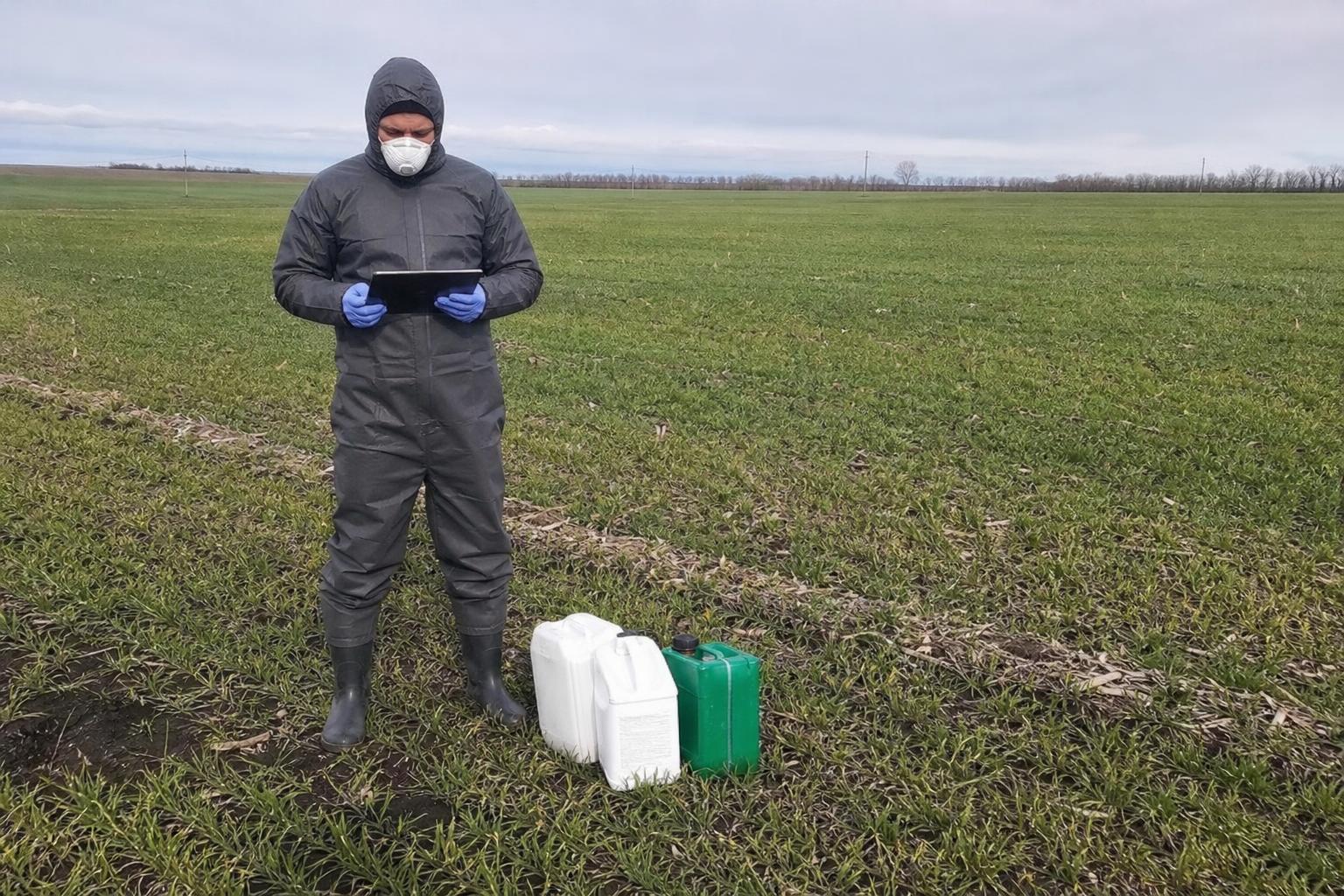
The Ukrainian plant protection market in the new season should be viewed not only through the lens of product prices but also considering the financial condition of buyers. For farmers, decisions regarding herbicides, fungicides, and insecticides increasingly depend on harvest realization rates and available working capital.
Recent data from agricultural logistics show a mixed picture: some export flows are increasing, but systemic constraints on product export remain. For ZPR (pesticides) sellers on AgroPost, this signals the need to pay closer attention to delivery timelines, payment flexibility, and seasonal demand fluctuations.
Export Background: Funds Flow to Farms Is Uneven
According to market participants, in September railway exports of meal and oil increased by 68% compared to the same period last year, with nearly 53% growth in oil. Since the beginning of the month, 136,000 tons of meal and oilseed meal and 94,500 tons of oil have been exported by rail.
At the same time, the main flow of these cargoes went through western border crossings: 94% for meal and meal products, and 92% for oil. This confirms that alternative routes remain important for agricultural exports, but they are not equally accessible for all crops and regions.
Separately, it was reported that from September 1–24, the throughput of agricultural products towards Danube ports, including Orlivka, amounted to 917.7 thousand tons. This is 22.9% more than the entire August. However, railway transportation of grain to port destinations over 22 days in September was lower than in the previous month.
Why This Matters for Pesticide Buyers
For farms that sell their harvest gradually or depend on specific sales routes, pesticide procurement may shift in time. This is especially relevant for early herbicide purchases for spring campaigns and fungicide treatments for crops with high export share.
Having harvest stocks does not necessarily mean quick liquidity. If sale proceeds are delayed, farmers tend to compare offers, seek smaller batches, reserve key products, or postpone purchasing some items until production plans are clarified.
For AgroPost buyers, a practical approach is to divide needs into critical and variable parts. Critical items include products essential for timely basic crop protection. Variable parts should be adjusted after clarifying sown areas, crop structure, and cash flow forecasts.
What ZPR Sellers on AgroPost Should Consider
Sellers should prepare offers not only based on the lowest price. In a market where buyers plan expenses cautiously, transparent delivery conditions, product availability, minimum order quantities, quick dispatch options, and clear active ingredient descriptions become crucial.
- For herbicides clearly specify crop, application stage, and weed spectrum.
- For fungicides provide information on active substance, application rate, and target diseases.
- For insecticides indicate target pests, formulation, and usage restrictions.
- For comprehensive offers consider seasonal sets tailored to specific crops without overextending the product range.
If a buyer compares several listings, the winning proposal is the one with less uncertainty. Therefore, on AgroPost, it is advisable to update stock levels regularly, respond promptly to inquiries, and avoid mixing different categories of products in one listing.
Key Conclusions for the Plant Protection Market
- Export logistics shows some positive signals, but overall situation remains unstable.
- Farm liquidity may be uneven, so demand for pesticides is likely to form in batches rather than through a single large procurement cycle.
- Buyers will pay more attention to practical product characteristics, delivery conditions, and the ability to purchase the required volume at the right time.
- Sellers should focus on precise descriptions, current stock availability, and readiness to quickly confirm deal terms.
Implications for the market: The crop protection sector in Ukraine is entering the planning season without a clear deficit signal from the current data but with increased attention to buyers’ solvency. For AgroPost, this creates demand for clear, up-to-date, and practical listings: farmers need to quickly find the right product, and sellers must demonstrate availability, quality, and transparent delivery conditions.
Comments
No comments yetNo comments yet - be the first.