
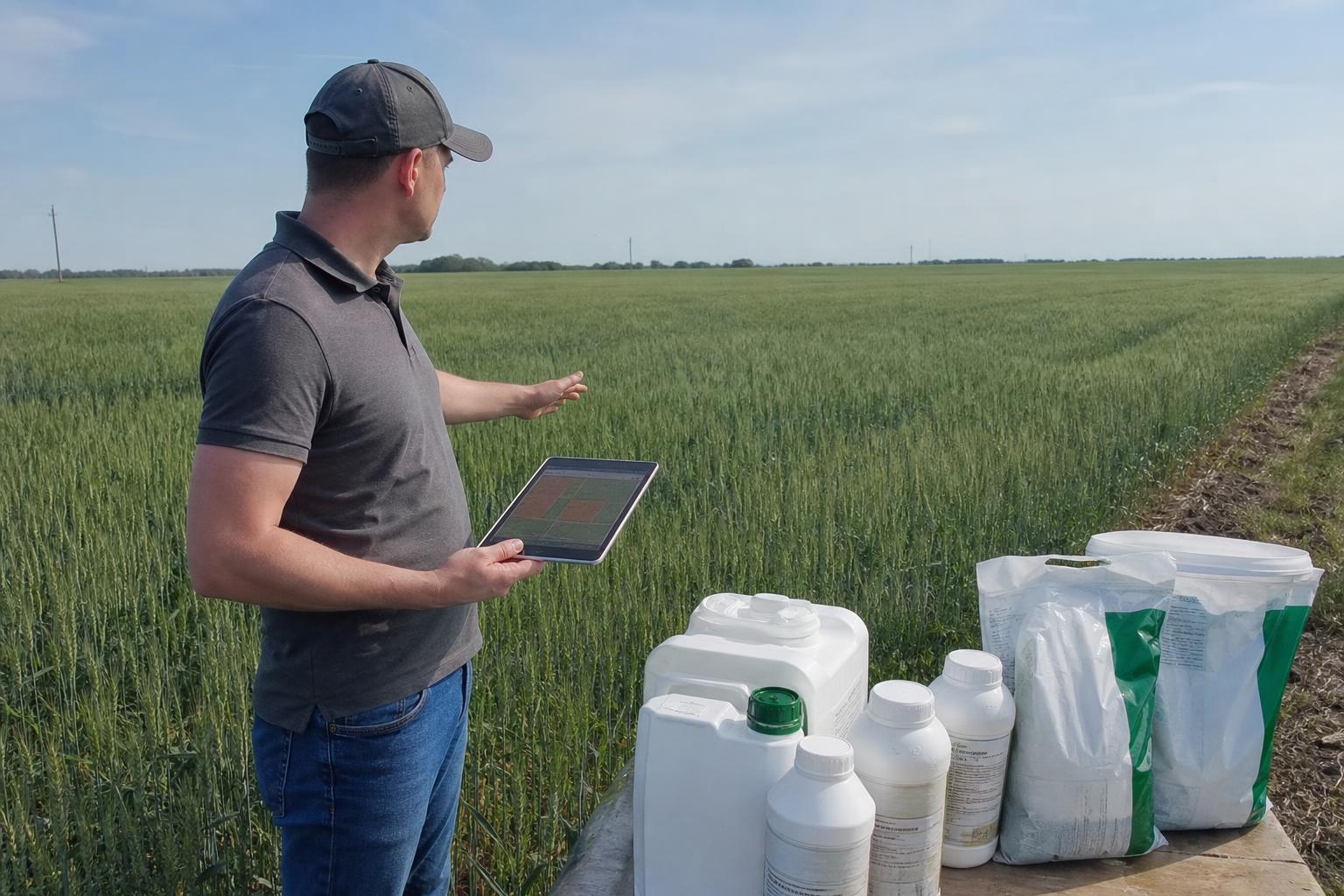
The Ukrainian plant protection market is entering a period when decisions regarding herbicides, fungicides, insecticides, and seed treatments are more often linked to the crop sales channel. For producers, it is crucial not just to preserve crops or orchards but to obtain raw materials accepted by processors, traders, or retail networks.
Recent market news from various agricultural segments show that demand for consistent product quality remains a key factor. For crop protection product sellers on AgroPost, this means clearly describing the purpose of products, while buyers need to pay closer attention to compliance with crop, growth stage, and future market requirements.
Potato Processing Raises Expectations for Consistent Quality
In Zhytomyr region, the company “Adelaide” plans a potato processing plant project with a total investment of $38 million. The declared capacity is up to 300 tons of potatoes per day and up to 20,000 tons of finished and semi-finished products annually. The production launch is scheduled for 2028, according to sources.
For the plant protection segment, this is an important market indicator but not a direct demand forecast. If a farm works with potatoes for washing, peeling, vacuuming, or thermal processing, it must coordinate its protection scheme with the raw material buyer’s requirements in advance.
Practically, this means paying attention to application regulations, waiting periods, residues of active substances, and compatibility of products in tank mixes. For crop protection product sellers, it is advisable to specify not only crop and application rate but also registration restrictions and batch validity.
Horticulture: Fruit Quality Begins Before Processing
In the apple segment for natural vinegar, producers focus on firm varieties such as Ligol, Fuji, Pino, and Celesta. One craft producer in Lviv region purchases apples mainly from local farmers and processes about 1 ton of raw material monthly.
This serves as a reminder for growers: even small processors evaluate raw material based on technological characteristics. Orchard protection should not be a random purchase of a product “for a problem,” but part of a plan for producing marketable fruit.
AgroPost listings for the horticultural segment should separately specify which diseases or pests the product is registered against, which crops it is permitted for, the form of the product, and whether there are temperature, rainfall, or interval requirements between treatments.
Grain: Price Pressure Heightens Attention to Protection Costs
The grain segment has seen wheat prices decline: in ports, both food and feed wheat have fallen by $6–11/ton over the week, while domestic prices for grade 2 wheat and feed wheat decreased by 100–500 UAH/ton. Factors include the start of harvest, weaker trading activity, and export market dynamics, according to sources.
For farmers, this does not mean an automatic reduction in plant protection. Instead, there is an increased need to evaluate the economics of each operation: what the product protects, the growth stage needed, confirmed field problems, and whether the application rate matches the expected yield quality.
Buyers of crop protection products should avoid bulk purchases without checking expiration dates, storage conditions, and official registration. Sellers should clearly distinguish original products, generics, stock residues, and order-based items.
Key Takeaways for AgroPost
- Crop protection buyers should start with the harvest sales channel: processing, export, domestic market, or feed sector, as each may have different quality requirements.
- Sellers need to detail listings: crop, active ingredient, formulation, packaging, batch, expiration date, and shipment region.
- For potatoes and horticulture, timing of application and regulations are especially important, as raw materials may go for food processing.
- For grains, amid price fluctuations, it is crucial to assess treatment efficiency rather than just reducing or increasing protection budgets.
Implications for the market: demand for crop protection products in Ukraine will increasingly depend on the quality of information in the supply chain “supplier — agronomist — crop buyer.” On AgroPost, advertisements with transparent product descriptions and quick verification of suitability for specific crops, regions, and future sales channels will prevail.
Comments
No comments yetNo comments yet - be the first.