
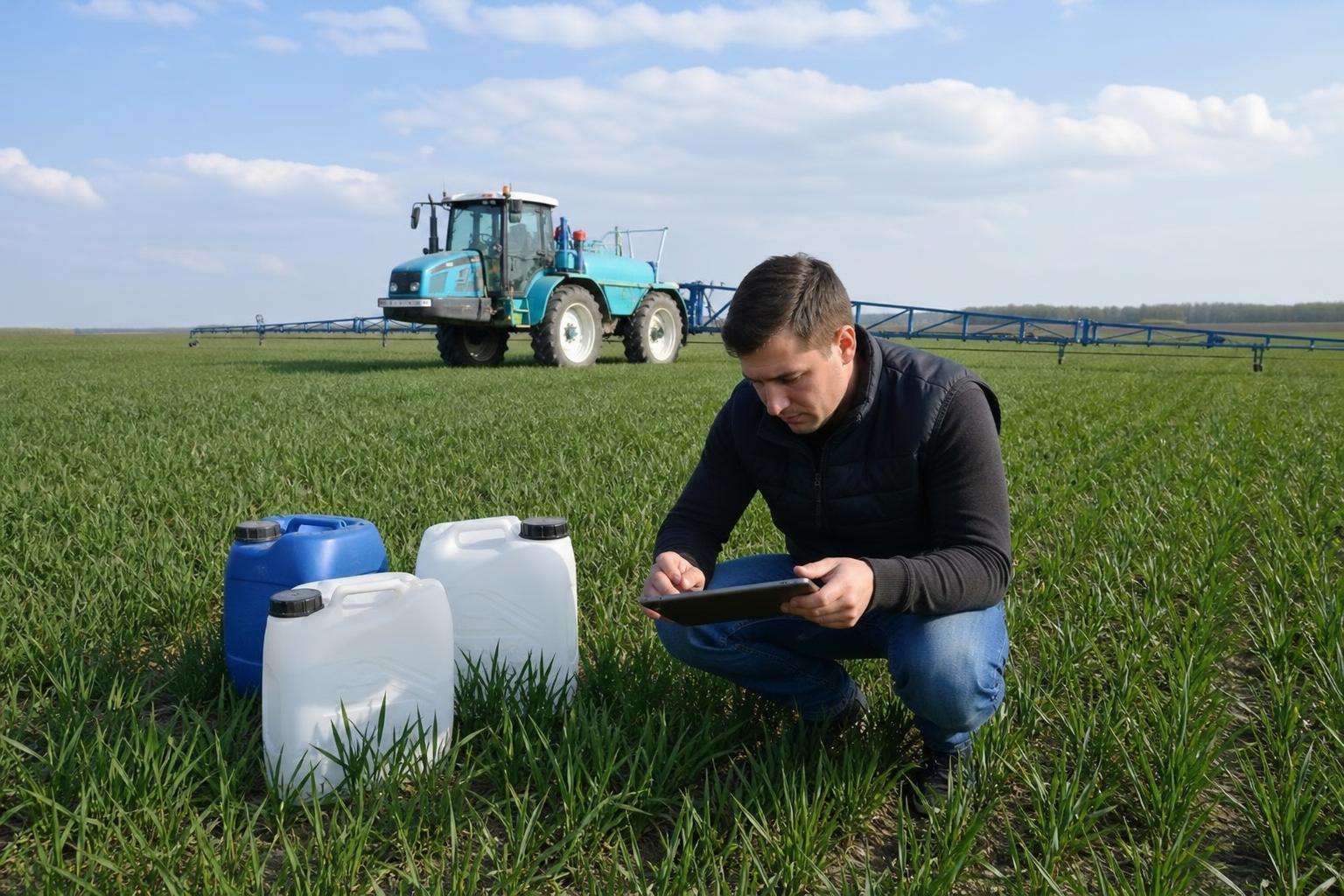
Ukrainian agricultural producers are preparing for a new cycle of seed, fertilizer, and crop protection product procurement amid noticeably better financial results in the industry. According to state statistics, in the first half of 2023, enterprises in agriculture, forestry, and fisheries recorded a profit before tax of 5.3 billion UAH, with losses amounting to 300 million UAH.
For suppliers and buyers of crop protection products, this is not a signal for a rush but an opportunity to plan the season more carefully. Demand for herbicides, fungicides, and other agrochemicals will depend not only on the crop structure but also on the availability of working capital within farms.
The financial performance of the agro-sector has improved
Compared to the first half of 2022, profits of enterprises in the agricultural, forestry, and fisheries sectors increased by 42%. Losses for the same period decreased by 34%.
These figures are significant for the crop protection market because procurement of products typically competes for budget allocations with fuel, fertilizers, seeds, land rent, and logistics. Even with a better financial background, farmers may be cautious in their spending, especially if they are working with export-oriented crops.
Export logistics impact working capital
The government has amended regulations regarding the maximum settlement periods for foreign economic contracts for certain agricultural commodities. The Ministry of Economy can, upon exporter’s request, extend the established settlement period by up to 180 days.
The list includes grain and oilseed crops, such as wheat, rye, barley, oats, corn, soybeans, rapeseed, sunflower, as well as certain vegetable oils and meal. The official rationale for these changes relates to logistical difficulties caused by the security situation in the Black Sea region and rerouting of supply routes.
For farms, this may provide more time to fulfill contracts and plan cash flows. For the crop protection market, a key question is when exactly the proceeds from harvest sales will return to the procurement cycle.
What crop protection buyers should consider on AgroPost
- Plan protection measures for specific crops. Avoid purchasing products just "in case" if the crop structure has not yet been finalized.
- Separate needs by season stages. Calculate herbicide protection, fungicide treatments, insect control, and seed treatments separately.
- Check documents and registration. For crop protection products, the origin, current registration, expiration date, and storage conditions are critical.
- Compare not only the price per liter or kilogram. Pay attention to application rates, spectrum of action, compatibility in tank mixes, and logistics of delivery.
What herbicide and fungicide sellers should consider
The improvement in the profitability of the agro-sector does not mean a uniform increase in the solvency of all clients. Some buyers may delay purchases until funds from export contracts or domestic sales are received.
On AgroPost, sellers should clearly describe the active substance, formulation, packaging, stock availability, region of shipment, and payment terms. This reduces the time buyers spend clarifying details and helps them compare offers more quickly.
What this means for the market: The crop protection sector is entering a planning period with better financial conditions in the agro-sector but without guarantees of quick procurement. Demand in the near future will be shaped by practical needs for sowing, farm liquidity, and the ability of suppliers to provide transparent, documented offers.
Comments
No comments yetNo comments yet - be the first.