
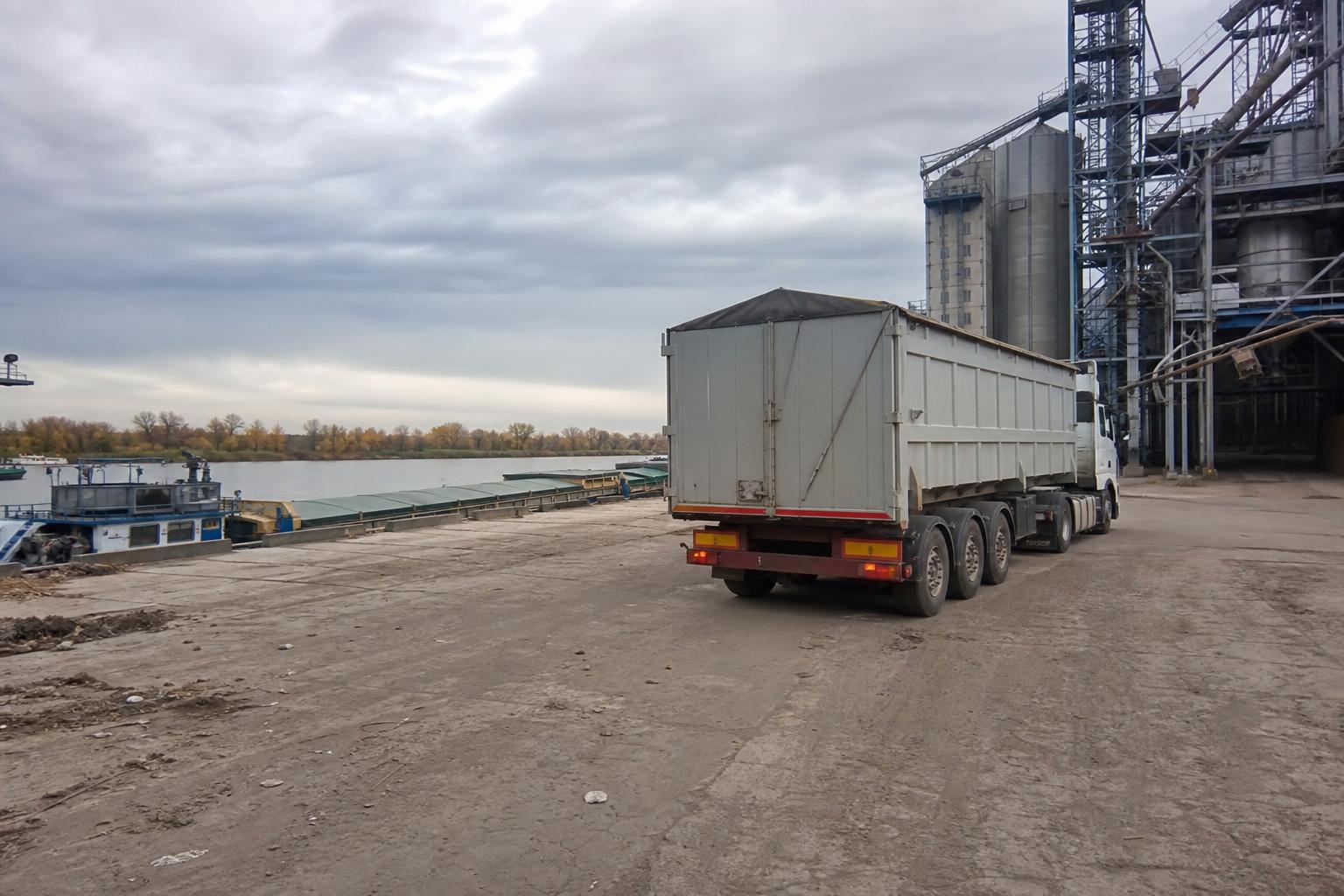
The Danube export route remains one of the key indicators for corn sellers. Amid high export demand and rising European quotations, purchase prices in Ukrainian Danube ports have increased.
At the same time, logistics constraints prevent the market from fully realizing its price potential. Exporters must consider expectations of navigability, military risks, rising maritime freight rates, and potential delays.
What is happening with prices in Danube ports
As of September 23, purchase prices for feed corn in Danube ports mostly ranged from $167–175/ton CPT port. This is $2–6/ton higher than at the end of the previous week.
The port basis remains significantly higher than the domestic market, as buyers are focused on export demand. For farmers, this makes the Danube route attractive, but only if transportation costs to the port are controlled.
Why logistics are restraining further growth
The current market is shaped by two opposing factors. On one side, there is support from external demand and European exchange quotations. On the other, there is critical pressure on Danube logistics.
Due to delays on routes and risks to navigation, exporters incorporate logistical discounts into contracts. This means that even in a strong external market, port buyers are not always ready to sharply raise purchase prices.
What corn sellers should consider
- Compare not only CPT port prices but also total logistics. Higher port prices may be offset by delivery costs, queues, or delays in transportation.
- Assess shipment timelines. For traders, the duration of the logistics chain directly impacts contract risks.
- Secure conditions in advance. With volatile freight rates and congested infrastructure, it is important to clarify who bears costs in case of delays.
- Monitor the difference between domestic and port basis. This indicates whether transporting a batch to the Danube makes economic sense.
Key conclusions for AgroPost participants
For corn sellers, the Danube route can remain a premium sales channel, but decisions should be based on net farm prices. For buyers and carriers, it is important to consider that demand for port deliveries may stay high, especially during active exports.
What this means for the market: Danube ports support higher corn prices, but capacity and logistics costs are the main constraints. The best position will be held by those who quickly calculate the full economics of the route and compare offers from carriers and traders before concluding a deal.
Comments
No comments yetNo comments yet - be the first.