
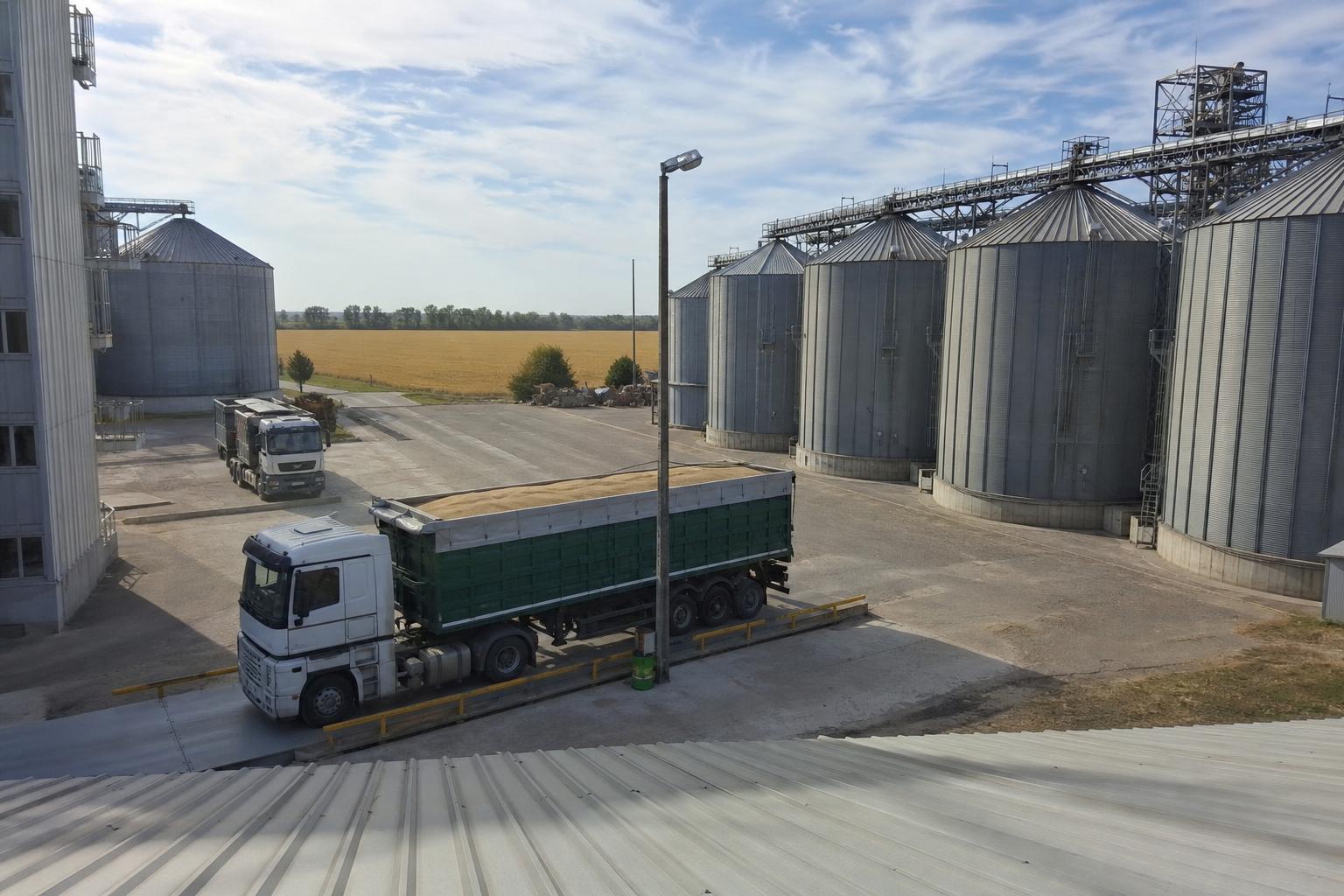
On the Ukrainian grain and elevator services market, the importance is increasingly shifting from the price tag in the listing to the basis on which it is offered. For sellers, the difference between EXW, FCA, DAP, or port prices can completely alter the final outcome of the deal.
For AgroPost users, this means: grain sales announcements should be formulated not only by crop and price but also by elevator location, quality indicators, shipment deadlines, available transportation, and payment conditions.
Logistics Now Competes with Price
This week’s market reports separately mentioned wheat in Polish ports at around $250 per ton. At the same time, high transportation costs can offset the benefits for Ukrainian producers.
This is an important signal for grain sellers: export alternatives make sense only after calculating the full logistics — delivery to the border or port, transshipment, delays, documentation, and possible hold-ups.
Within the domestic market, there is also discussion about strengthening the role of logistics discounts in grain pricing in the coming months. Therefore, buyers are increasingly paying attention not only to the volume of the batch but also to which elevator it can be quickly collected from.
Elevator Basis: A Lesson from a Related Market
Although rapeseed belongs to oilseed crops, its price dynamics at plants and internal elevators show how quickly the purchase basis can change during the active supply season.
According to market reports from major processors and traders, rapeseed purchase prices decreased by 4–6 thousand UAH/ton over a week and a half. While on July 14 proposals were mainly in the range of 25–26 thousand UAH/ton, by July 22–23, prices at plants and internal elevators were around 20–22 thousand UAH/ton.
This trend should not be automatically extrapolated to wheat, barley, or corn. However, for grain sellers, it serves as a practical reminder: elevator prices can change rapidly, and delays in decision-making can sometimes cost more than the expected savings on storage.
Processing Remains an Important Benchmark
A separate signal for the grain chain is investments in food processing. Nestlé has already invested 230 million UAH this year in expanding pasta production capacities in Smoligovo, Volyn, and plans to invest an additional 600 million UAH by the end of 2026.
The company plans to install a second and third production line, which will create 250 new jobs. Currently, the plant employs 380 staff, and its products are exported to 19 countries.
For the grain market, this does not automatically mean an increase in wheat purchases right now, as raw material volumes at the source are not specified. However, the development of processing facilities is important for the entire infrastructure: elevators, internal logistics, contracting, and the stability of sales channels.
What to Include in AgroPost Listings
- Delivery basis: EXW, FCA, DAP, or other conditions to immediately show the buyer the actual price point.
- Elevator location: region, nearest logistics route, availability of auto-loading or rail dispatch.
- Batch quality: moisture, contamination, net weight, protein for wheat, class, or other key indicators.
- Readiness for shipment: date, minimum batch size, elevator working schedule, possible queues.
- Payment terms: prepayment, payment after loading, payment deadlines, and VAT presence.
In a market with wide logistical differences, the best price is not the maximum figure in the listing but a proposal with transparent basis, clear delivery terms, and predictable payment deadlines.
What this means for the market. In the near future, grain sellers should pay closer attention not only to purchase prices but also to the full economics of the route. Buyers, in turn, will benefit from seeking batches with clear elevator attachment and quick dispatch, as logistics can determine the competitiveness of a deal.
Comments
No comments yetNo comments yet - be the first.