
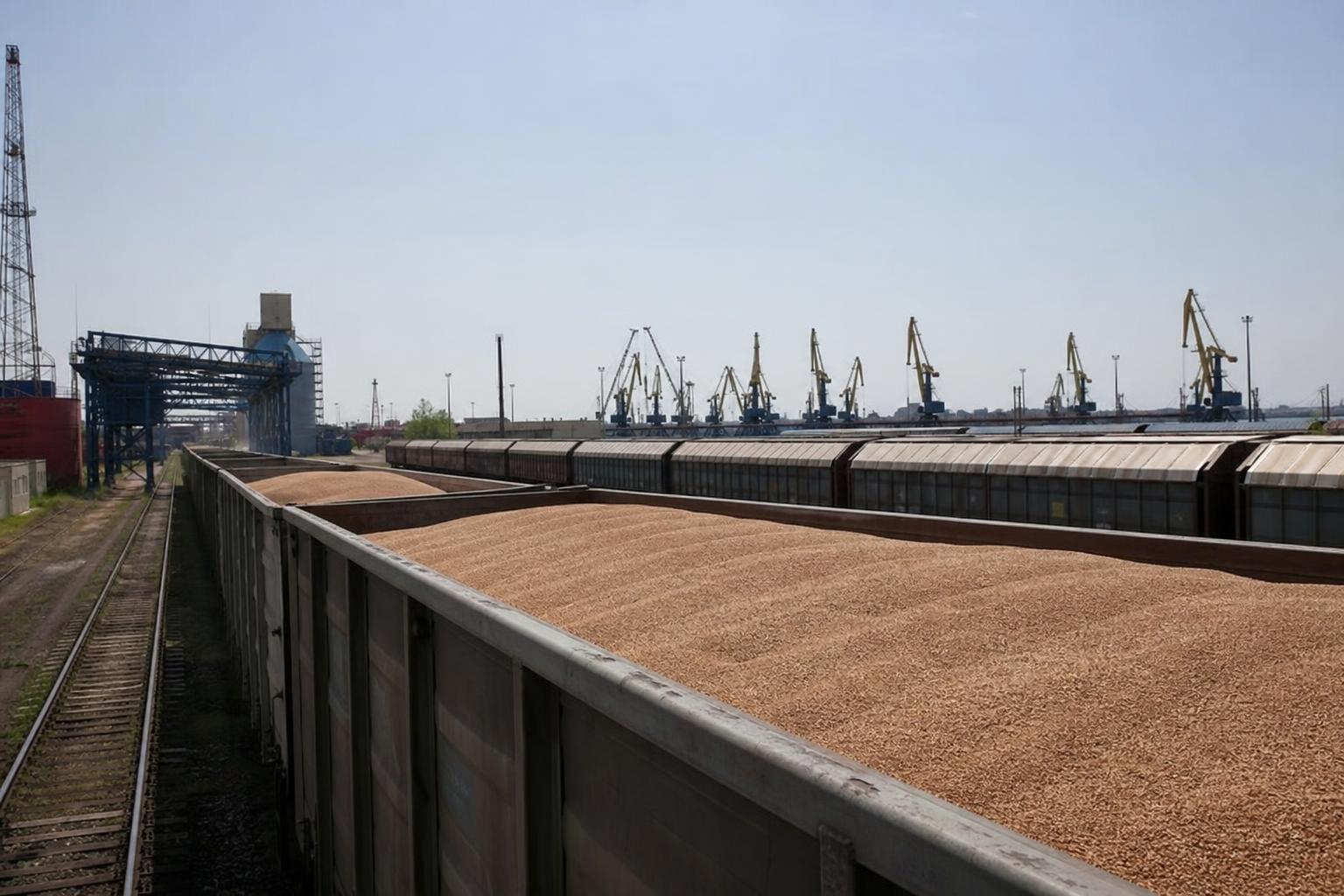
The Romanian port of Constanța is handling growing volumes of Ukrainian grain, while the rail component of export costs is rising. For sellers and buyers, this is a reason to calculate the full cost of delivery more carefully rather than compare offers based solely on grain prices.
Below are the key changes in routes and rates to consider when planning shipments and negotiating deals.
Constanța handles more Ukrainian grain
In January–September 2026, 1.03 million tonnes of Ukrainian grain were exported through the port of Constanța. The volume for the same period in 2025 was 321,000 tonnes, making this year’s figure more than three times higher.
Overall, grain exports through Constanța reached 15.8 million tonnes in the first nine months, up 7% year on year. This is the port’s total figure, not just Ukrainian cargo.
Ukrzaliznytsia grain railcars to cost more in November
In November, the rate for using a Ukrzaliznytsia grain railcar is set to reach UAH 3,771 per day, excluding VAT—UAH 400 more than in October.
When calculating logistics costs, sellers should account separately for the railcar rate, the duration of its use and onward transportation costs. These components will also help buyers compare offers with different delivery terms more accurately.
What to check before making a deal
- Confirm which route and delivery basis are included in the grain price.
- Calculate the rail component using the current rate and the expected period of railcar use.
- Compare the total delivery cost across available routes, including via Constanța.
- Specify in the agreement who pays for transportation and any additional costs.
What this means for the market: The increase in Ukrainian grain handled through Constanța expands the range of routes actually in use, but does not by itself determine whether the route is cost-effective for a particular shipment. On AgroPost, sellers and buyers should specify delivery and logistics terms in their offers to make grain comparisons meaningful.
Comments
No comments yetNo comments yet - be the first.