
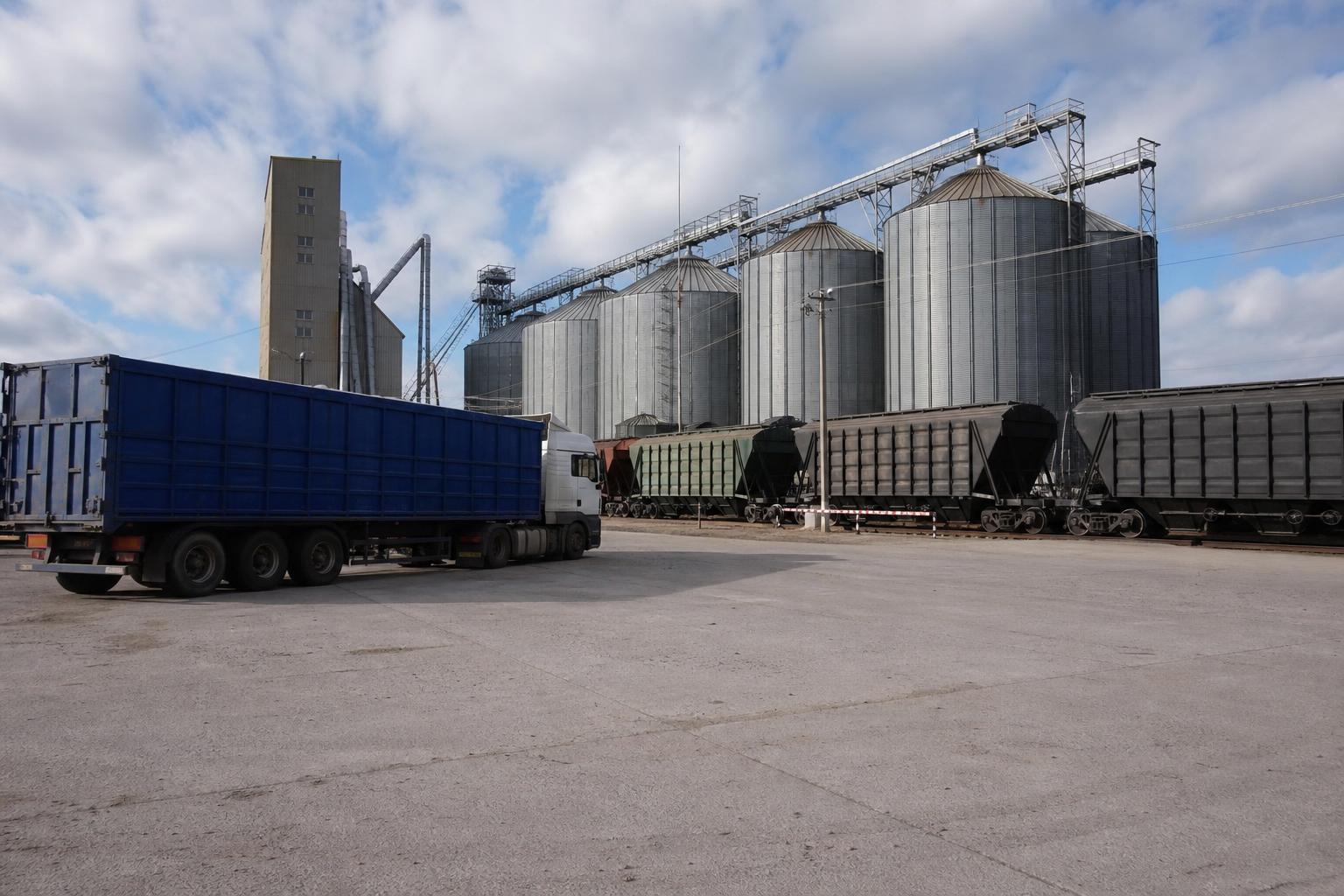
Ukrainian agricultural logistics remains under pressure from several factors: significant domestic grain stocks, instability of maritime routes in the region, and potential increases in transportation costs due to security risks.
For market participants, this is no longer just an export issue. The cost and availability of transport influence domestic deals, elevator operations, delivery timelines, and the final price for the buyer.
The Azov direction adds risk to regional logistics
According to market reports, discussions are underway in Russia regarding additional protection measures for grain vessels in the Sea of Azov, including military escort, temporary installation of protective structures on ships, and convoy formations between the Sea of Azov and the Black Sea.
This route is critically important for Russian grain exports: estimates suggest it accounts for about a quarter of relevant shipments. Meanwhile, the movement of commercial vessels in Russian ports of the Sea of Azov has effectively halted, according to analysts.
If restrictions persist, Russian exports could lose between 0.5 million and 1.5 million tons of grain shipments each month. Some cargoes are being redirected to other ports, supported by railway subsidies.
For Ukrainian exporters, this does not automatically create an advantage but alters the overall negotiation environment with carriers, traders, and buyers. As military and insurance risks increase in the region, logistics premiums are more likely to be factored into prices.
Ukraine has accumulated larger grain stocks
As of July 1, Ukraine's grain and legume reserves were estimated at 7.7 million tons, which is 3 million tons, or nearly 65%, more than on the same date last year.
Farm enterprises stored 4.7 million tons of grains and legumes, up 34.2% from last year. Storage and processing facilities held 3 million tons — 2.6 times more than a year ago.
The largest share of stocks is corn — 3.9 million tons, an increase of 94.1% compared to July 1, 2025. Wheat reserves amounted to 2.3 million tons, up 36.7%, and barley — 1.1 million tons, up 77%.
Other crops should also be considered: soybeans totaled 653.4 thousand tons, down 17.9% from last year; sunflower seed — 1.1 million tons, down 68.2%; rye — 26.8 thousand tons, down 4.8%.
Implications for domestic transportation
High reserves increase the importance of timely logistics planning. If a seller enters into an agreement without confirmed transport or elevator window, the risk of delivery delays rises.
Buyers should verify the exact location of the goods: on the farm, at the elevator, or at the processing facility. This affects not only the delivery cost but also the shipment speed, availability of transport, and the need for additional transshipment.
For sellers, providing logistical information in the AgroPost listing becomes a competitive advantage. Clearly indicating the region, type of loading, self-pickup options, weighing station availability, and preferred delivery conditions makes it easier for buyers to compare offers quickly.
Key conclusions for sellers and buyers
- Grain sellers should plan logistics to the nearest elevators, ports, or processors in advance, rather than focusing solely on the base price of the crop.
- Buyers should clarify the actual storage location of the batch and readiness for shipment before agreeing on the price.
- Carriers should expect increased attention to vehicle dispatch times, guarantee of trip execution, and costs associated with delays.
- Elevators and traders should promptly communicate available acceptance and shipment windows to avoid queue buildup.
What this means for the market: Ukrainian logistics will remain a key factor in grain pricing in the near future. In conditions of high stocks and unstable maritime conditions, participants who sell or buy not just the product but a clear delivery with confirmed routes, timelines, and transportation conditions will have an advantage.
Comments
No comments yetNo comments yet - be the first.