
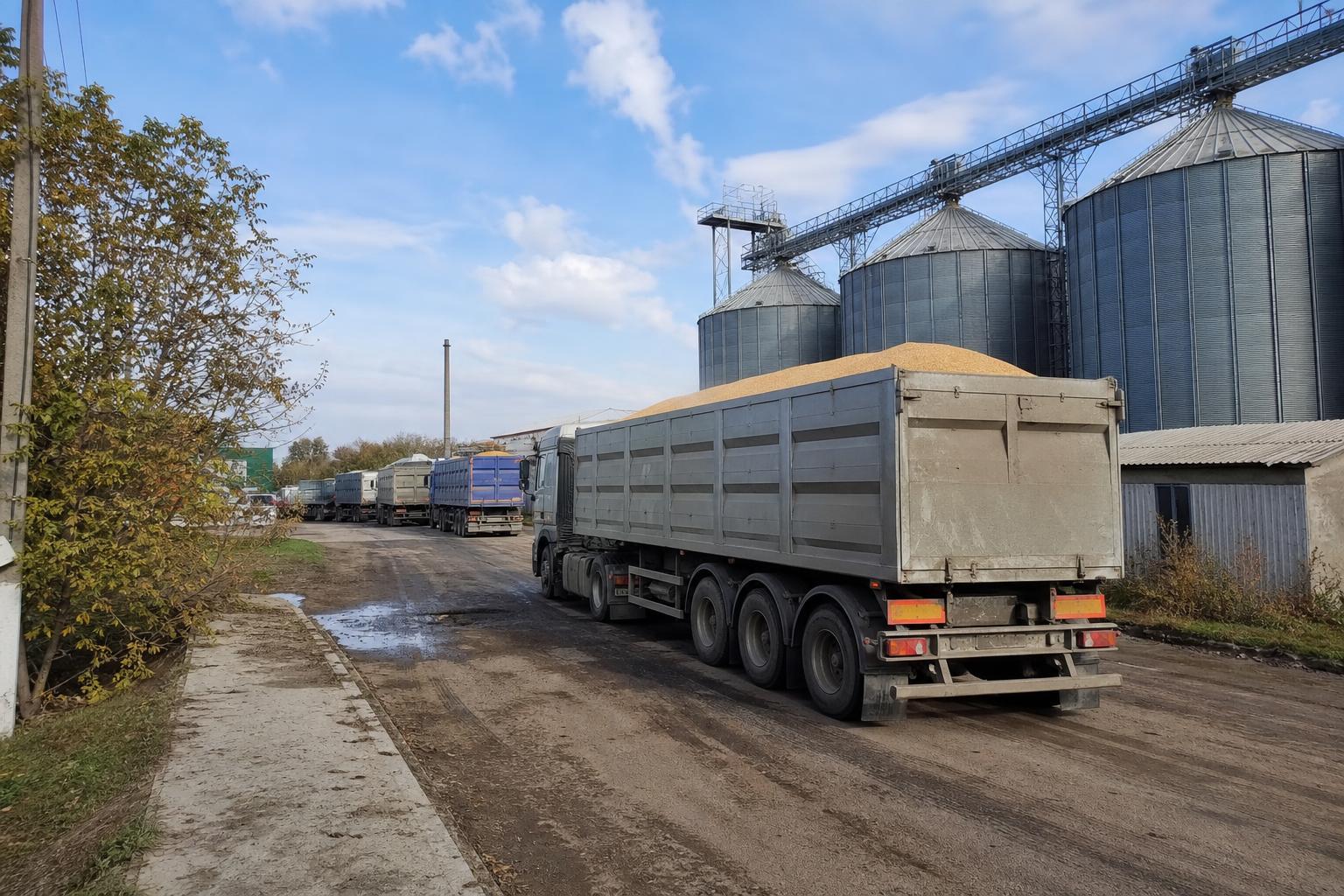
The cost of grain transportation in Ukraine has increased by up to 15% — this is reported in the headline of the Latifundist article, attributing the change to higher fuel prices and a driver shortage. The detailed tariff conditions are not provided in the excerpt, so this figure should be regarded as an estimate rather than a universal increase for every route.
For grain sellers and buyers, transportation costs remain a significant part of transaction calculations. It is advisable to compare proposals based on the total delivery cost, not just the product price.
What to Pay Attention to in the Tariff
Before agreeing on transportation, it is important to clarify which route and period the rate applies to, what is included in the price, and how the parties account for possible changes. This will help compare carrier offers on equal terms.
- Route and destination: compare rates for specific directions.
- Tariff conditions: clarify the composition of costs and the validity period.
- Availability of transport: confirm the availability of vehicles and agreed delivery times.
Export Routes Remain Sensitive to Disruptions
The reports of wheat purchases by Egypt indicate a broader context for exporters: traders sought grain, including from European suppliers, amid disruptions in deliveries from the Black Sea region. The origin of the purchased batches was not confirmed in the source.
For the Ukrainian market, this does not confirm a specific route or a change in demand for Ukrainian grain. However, the situation highlights the practical importance of pre-agreeing logistics conditions and having clear information about the loading and delivery points.
How to Prepare a Proposal on AgroPost
In your grain sales proposal, specify the loading location, available volume, conditions for self-pickup or delivery, and the known tariff. This allows buyers to compare options considering logistics, and sellers to avoid misunderstandings about who organizes transportation.
If delivery has not yet been agreed upon, it is advisable to explicitly state this in the listing and clarify transportation conditions during negotiations. Do not treat an estimated rate as a final transportation cost.
Implications for the Market
According to available data, grain transportation costs have increased by up to 15%, but the exact scale of change for specific directions requires clarification. Sellers and buyers should fix the route, tariff structure, and validity period before concluding an agreement — this will help more accurately assess the total cost of the batch.
Comments
No comments yetNo comments yet - be the first.