
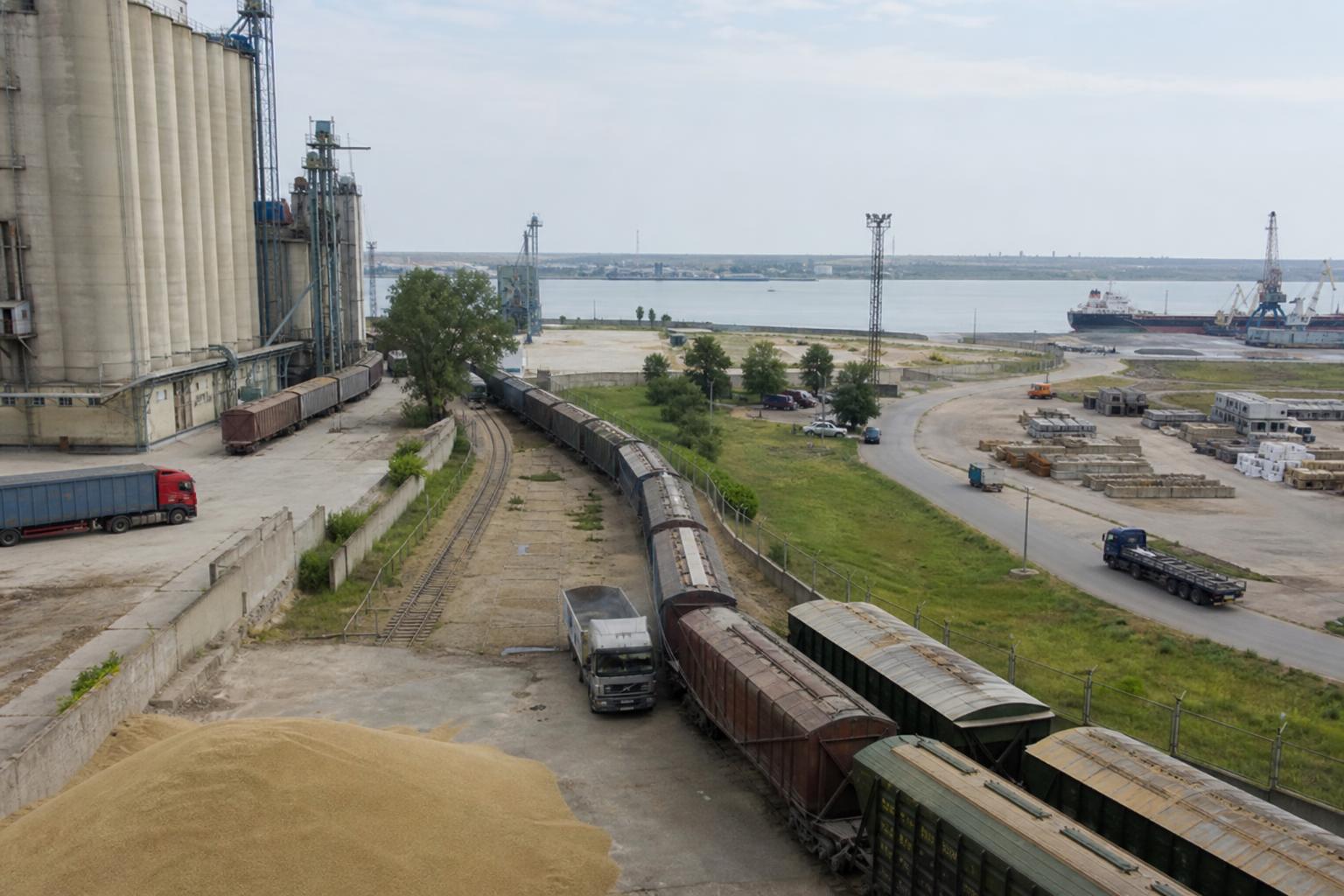
The Ukrainian grain market is entering a period when the price of a shipment increasingly depends not only on demand but also on the available route. Against the backdrop of changes in shipping logistics, grain sellers, elevators, and traders should pay closer attention to delivery basis calculations and shipment deadlines.
According to market participants, as of July 20, about three vessels were heading to Ukrainian seaports. At the same time, two ships with imported cargo, which were scheduled to go to Odesa, rerouted to Danube ports.
Sea Ports: Route Remains a Key Risk Factor in the Agreement
For grain sellers, the main concern now is not only the price specified in the contract but also how realistically the delivery can be fulfilled within the agreed timeframe. If the logistics route changes after planning, it can affect the delivery schedule, elevator operations, and negotiations with the buyer.
The fact that some vessels have rerouted to the Danube shows that the market still needs backup scenarios. For agricultural producers, this means: before fixing a large shipment, it is essential to clarify not only the price but also the port, acceptance availability, queue, and the possibility of alternative dispatching.
Danube Direction: Tonnage Available, but Decisions Are Not Always Quick
On the Sulina/Bistre roadstead, according to market data, about seven vessels were present. There were also reports of significant free tonnage at the Sulina roadstead.
However, the presence of ships does not guarantee automatic acceleration of exports. Shipowners are awaiting orders for transportation from the Danube, and charterers do not always have the capacity or are ready to promptly change loading ports.
For elevators and traders, this means the need for precise coordination: if a shipment is planned for the Danube, it is necessary to check not only the freight rate but also the passage conditions, loading window, and the buyer’s readiness to accept a change in the basis.
Vessel Draft: A Technical Factor Affecting Shipments
A separate practical aspect for grain logistics is permissible draft. According to data, the maximum allowable draft was 7.01 m on the Sulina channel, 5.5 m at Bistre’s mouth, and 6.7 m approaching Izmail at the 44th mile.
These parameters are important for planning the size of the shipment and choosing the route. If these restrictions are not considered during contract negotiations, it can lead to operational delays across the entire chain: from elevator to port.
What to Check Before Selling Grain
- Delivery basis: port, elevator, or other dispatch point must be clearly agreed upon.
- Acceptance schedule: it is important to confirm when the elevator or port can realistically accept the shipment.
- Alternative route: for large volumes, it is advisable to have a contingency plan in case of port changes.
- Logistics costs: these should be calculated before fixing the price, not after contract agreement.
- Technical restrictions: draft and passage availability can influence shipment size and timing.
Implications for the market: in the short term, grain deals in Ukraine will remain sensitive to port logistics. For sellers on AgroPost, this underscores the importance of accurately describing sale conditions, location, available transport, and readiness for shipment; for buyers — verifying the route and actual logistics before confirming the price.
Comments
No comments yetNo comments yet - be the first.