
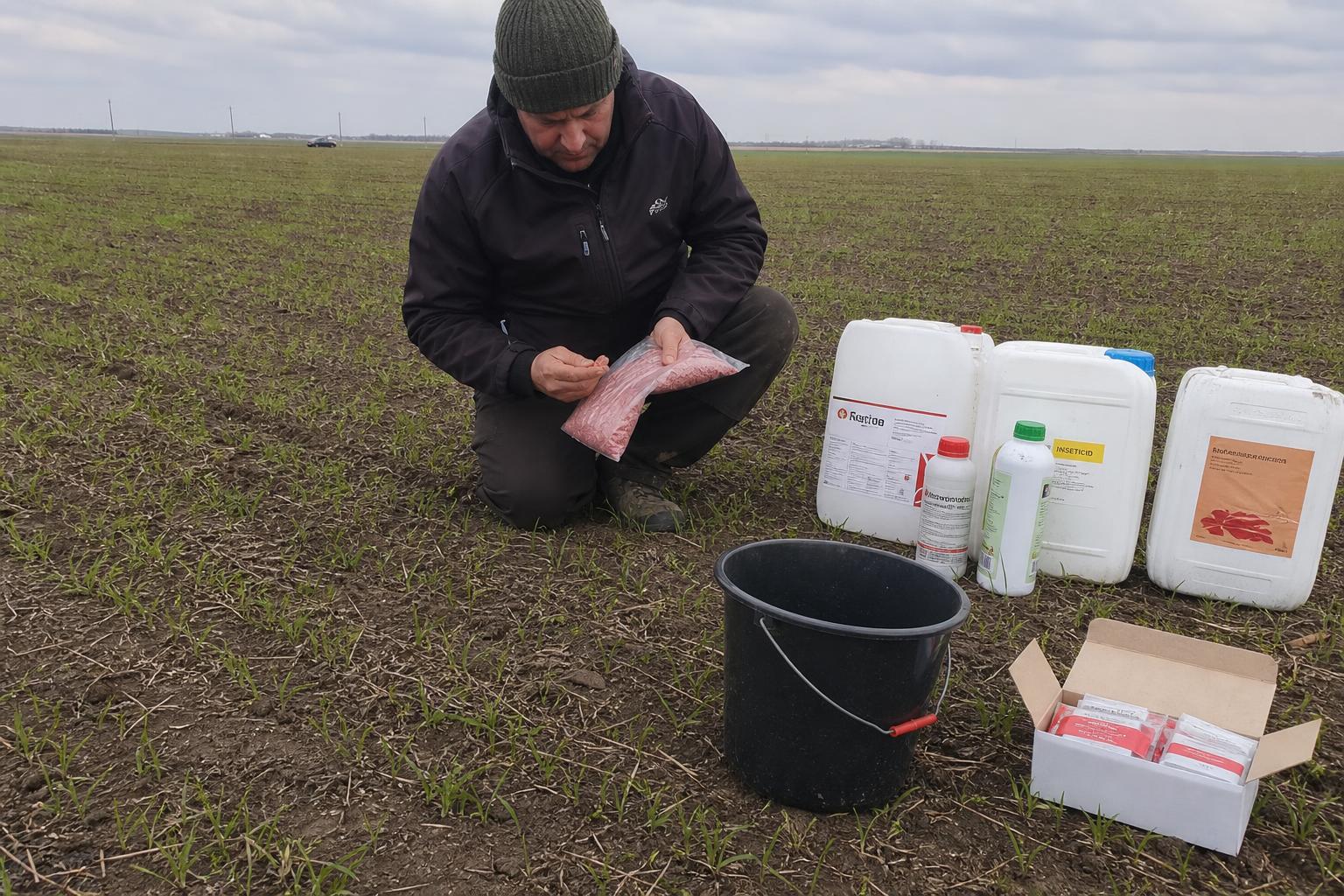
On the eve of autumn sowing of winter cereals, farmers review not only seed material but also the system of starter protection and plant support. The focus is on pre-sowing seed treatment, microelements, amino acids, and solutions to reduce stress during early development stages.
For pesticide sellers and related agro-solutions, this is a period when demand is formed quickly: farms need clear kits tailored for winter wheat and barley, with considerations for soil types, sowing dates, and expected weather risks.
What is currently important for the start of winter crops
According to experts from Ukravit, for winter wheat and barley, attention should be paid before sowing to easily assimilable L-amino acids, zinc, manganese, and copper. These components are considered tools for more uniform emergence and root system development.
The company also estimates that pre-sowing seed treatment with such solutions can increase field germination by 8–10% and seed energy by 5–6%. For the market, this is not a universal guarantee but an argument for more precise product selection tailored to specific field conditions.
How sellers should formulate proposals on AgroPost
It is important for buyers to quickly understand exactly what they are purchasing: a seed treatment product, a fertilizer for application in the seedbed, an anti-stress agent, or a foliar feeding solution. Therefore, advertisements should distinguish these items rather than combine them into a general category “for winter crops.”
- Crop: specify whether the product is suitable for winter wheat, winter barley, or both crops.
- Application stage: pre-sowing seed treatment, application during sowing, or foliar feeding at the 3–4 leaf stage.
- Composition: separately highlight microelements, amino acids, humates, or complex NPK solutions.
- Usage rate: provide only according to the manufacturer’s instructions and avoid unapproved recommendations.
What solutions farms may be looking for
The source provides examples of liquid complex fertilizers for application in the seedbed or beside the seed at rates of 20–50 L/ha. Such products may be relevant for farms aiming to support early development of winter crops during sowing.
For pre-sowing seed treatment, combinations with starter NPK solutions, amino acids, humates, or stimulating components are mentioned. The choice of scheme should depend on soil type, seed condition, nutrient availability, and farm technology.
For early sowing, foliar feeding at the 3–4 leaf stage is separately highlighted. Recommendations include supporting plants with macro-, meso-, and microelements, sugar accumulation, and increasing resilience to stress and low temperatures.
Key conclusions for market participants
- Pre-sowing seed treatment is becoming one of the main requests before autumn sowing of winter cereals.
- Buyers seek not just a product but a clear application scheme tailored to crop, soil, and sowing timing.
- Sellers should clearly differentiate products for seed treatment, sowing application, and foliar feeding.
- All claimed effects and rates must comply with official manufacturer recommendations and specific field agronomic conditions.
Implications for the market: In the plant protection category on AgroPost, expect increased demand for products supporting winter crop start-up — seed treatments, microelements, amino acids, and anti-stress solutions. The most effective ads will be those where sellers clearly link products to crop type, application stage, and usage conditions without exaggerated promises.
Comments
No comments yetNo comments yet - be the first.