
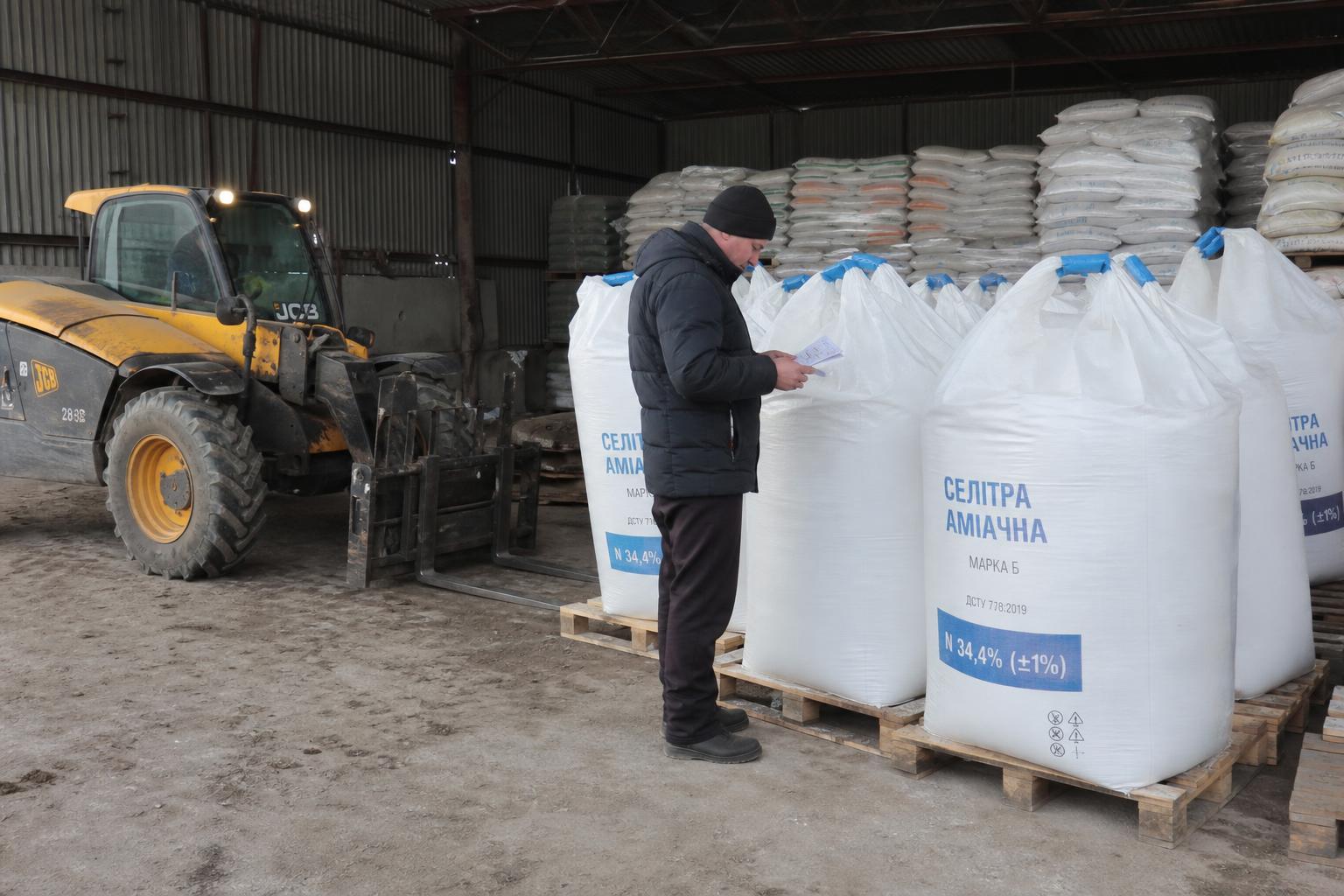
The Ukrainian fertilizer market is entering a period when farmers value not only the price per ton but also the predictability of supply. Preparations for fieldwork prompt farms to compare nitrogen products, NPK, and other agrochemicals considering logistics, payment terms, and actual stock availability.
There are no direct data on current prices or import volumes of fertilizers from the provided sources. However, important signals come from the adjacent agro-market: grain prices are reacting to risks in the Black Sea region, and transportation via the Danube remains sensitive to congestion and vessel idle times.
Grain Margin Influences Fertilizer Purchase Decisions
For fertilizer buyers, the key question is whether the planned feeding system will be profitable under the current grain market conditions. According to one source, wheat futures in Chicago reached their highest level since July 2023 amid risks in the Black Sea.
The source also notes that wheat quotes increased by 2.6%, with a 6.4% rise the day before, and since the beginning of the month, prices have surged by 19%. For Ukrainian farms, this is not a direct indicator of domestic grain or fertilizer prices, but such market background influences expectations regarding crop profitability.
If an agribusiness sees potential for better revenue from grain sales, it more frequently revises its feeding budget: not only seeking the lowest price but also calculating the efficiency of application rates, fertilizer form, logistics, and delivery timelines.
Logistics Remains a Separate Price Factor
For fertilizer sellers, it is important to consider that buyers increasingly request not just a price list but a complete commercial proposal: warehouse, packaging or bulk, minimum order, self-pickup or delivery conditions, and shipment timing.
According to data from a freight market source, on the Danube route, vessel availability was limited: as of August 25, over 50 ships were waiting to pass the Sulina Canal, and only 5–7 ships traveled daily to Ukrainian ports on the Danube. It was also reported that a vessel’s idle day could cost around $5,000–8,000.
These data do not directly describe fertilizer transportation but illustrate the overall sensitivity of agricultural logistics to bottlenecks. For the domestic fertilizer market, this means buyers should clarify the supply route in advance, and sellers should clearly specify the location of the product.
What Buyers Should Check on AgroPost
In the fertilizer segment, the practical value of an advertisement depends on specifics. For buyers, it is important to see not general descriptions but parameters that affect the final cost of application.
- Type of fertilizer: nitrogen, complex NPK, micronutrient, or other agrochemical item.
- Formula and active substance content: without this, it is difficult to compare offers.
- Delivery form: big-bag, bag, bulk, or liquid form.
- Location of the product: region, warehouse, possibility of self-pickup or delivery.
- Documents: quality certificate, origin, batch number, storage conditions.
- Final terms: price including or excluding VAT, prepayment, deferred payment, minimum order quantity.
What Sellers Should Do
Fertilizer sellers should update their listings immediately after stock changes or delivery conditions. During active sowing planning periods, buyers respond faster to offers that clearly indicate available products and delivery timelines.
It is also important to specify whether the seller is willing to work with small batches. For farms, this may be more critical than a slight price difference, especially if the fertilizer is needed quickly for a specific field or crop.
What this means for the market: fertilizers in Ukraine should be sold and purchased not only based on the “cheapest ton” principle but as a comprehensive offer with verified quality, clear logistics, and realistic delivery timelines. On AgroPost, the most successful listings will be those that clearly specify these conditions.
Comments
No comments yetNo comments yet - be the first.