
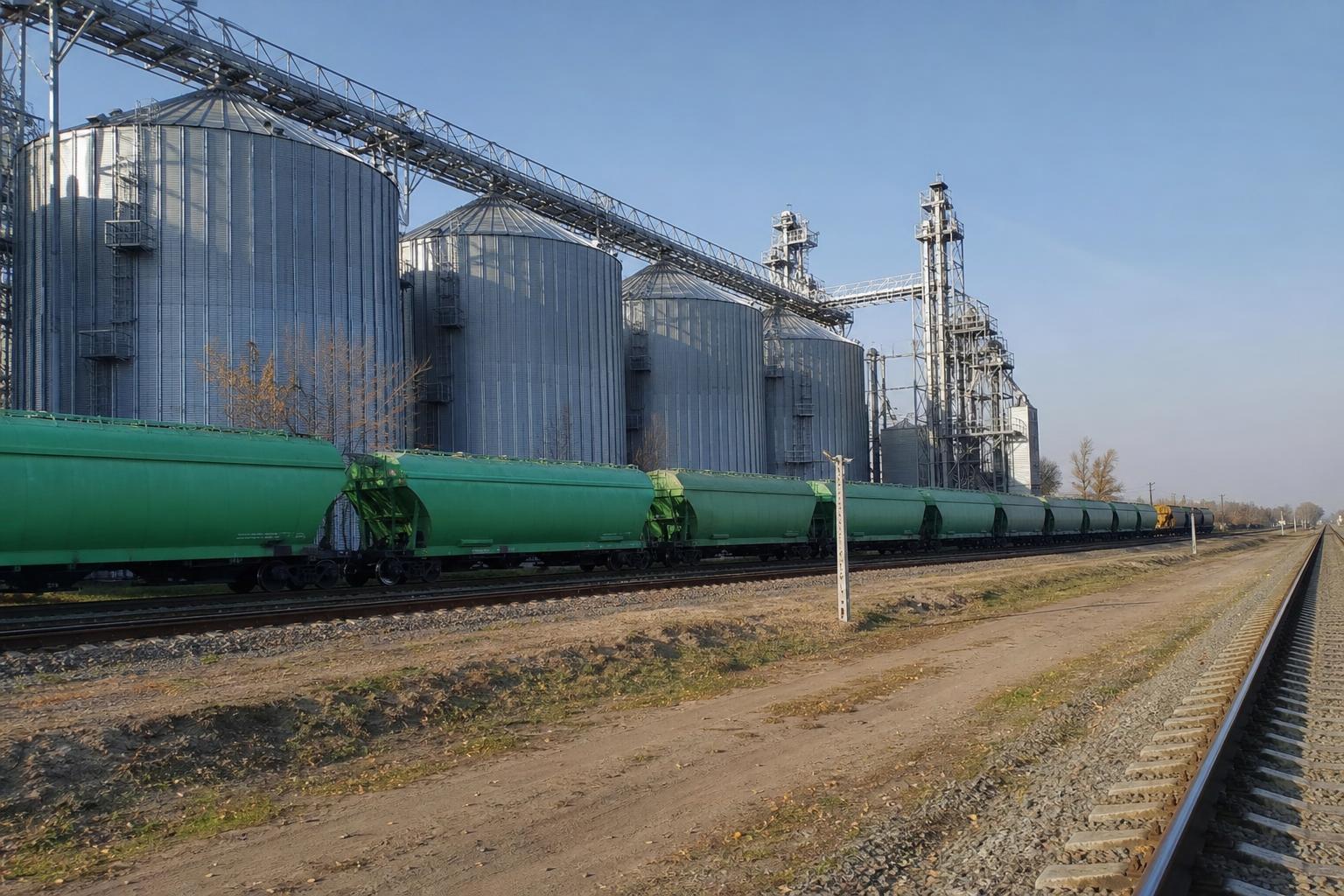
The Romanian route remains one of the key channels for exporting Ukrainian grain, especially for shipments moving through western border crossings to the port infrastructure of Constanța.
According to industry sources, GFR has ramped up its rolling stock for transporting Ukrainian cereals. While this does not eliminate logistical risks, it can provide market participants with more options for planning shipments.
What Has Changed on the Route to Constanța
During an online meeting of JSC "Ukrzaliznytsia" representatives with Romanian and Moldovan carriers on September 9, a GFR representative announced an increase in the number of trains involved in transporting Ukrainian grain.
According to the disclosed data, currently 27 trains are engaged in such shipments. On the section from the Vadul-Siret border crossing to Dornești and to the port of Constanța, the number of trains has increased from 5 in August to 7.
The carrier also announced plans to add another 1–2 trains. Additionally, repairs are ongoing for grain wagons, which will add 1–2 more trains, with completion expected within two to three weeks.
Why This Is Important for the Grain Market
For grain sellers, increased transportation capacity can serve as an argument when choosing a sales route. This is especially relevant for farms and traders working with western borders and seeking access to port logistics.
At the same time, an increase in the number of trains does not automatically mean lower transportation costs. Final economics still depend on queues, transshipment, wagon availability, tariff conditions, document processing speed, and port infrastructure congestion.
For domestic market buyers, this is also an important signal: sellers may more actively compare export and domestic non-tariff options. If logistics to Constanța becomes more predictable, competition for quality grain on the domestic basis could intensify.
What Elevators and Traders Should Do
- Update logistics calculations. Recalculate the cost of delivery to the Romanian route considering current rates, wagon turnaround times, and transshipment expenses.
- Record conditions in commercial proposals. When submitting purchase or sale bids, clearly specify the basis, shipment terms, quality requirements, and responsibility for delays.
- Compare elevator sites. Access to railway infrastructure, loading speed, available capacities, and the ability to form export batches remain crucial factors.
- Do not rely on a single route. Even with the strengthening of the Romanian route, it is advisable to have alternative sales scenarios: domestic buyers, other border crossings, or shipments through accessible ports.
How to Use This on AgroPost
Grain sellers should update their listings with accurate information about storage location, available volume, quality indicators, and preferred basis. The more precise the data, the easier it is for buyers to quickly assess logistics.
Buyers and traders should specify not only the crop and price but also acceptable shipment directions, elevator requirements, minimum batch size, and export deadlines. This reduces negotiation time and helps find suitable offers faster.
What This Means for the Market: The Romanian railway corridor to Constanța is gradually increasing its capacity for Ukrainian grain, but the key factor remains the economics of each specific shipment. For agricultural producers, elevators, and traders, the main priority in the near future is to promptly calculate logistics, compare basis levels, and transparently present sale or purchase conditions.
Comments
No comments yetNo comments yet - be the first.