
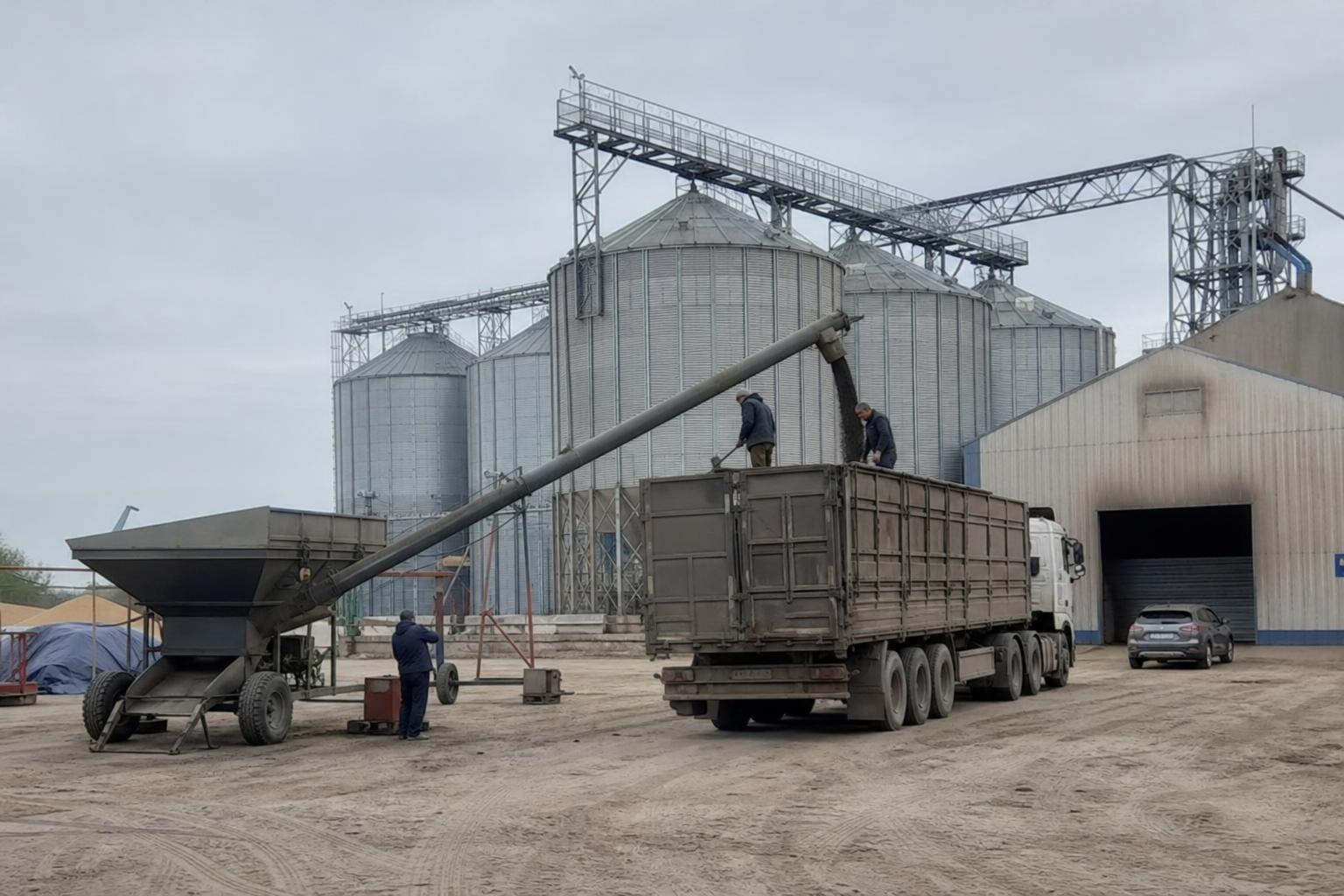
Kazakhstan’s planned suspension of phytosanitary certificates for sunflower from Russia shows how quickly destination-country requirements can affect shipment planning. The measure concerns Russian products specifically: the report does not indicate any restrictions on Ukrainian exports.
Carriers, traders and storage facility operators need to check cargo documentation while also taking seed storage requirements into account. This can help prevent logistical plans from becoming misaligned if a shipment is delayed or needs to be stored for longer.
Phytosanitary requirements can change shipment plans
According to the source, Kazakhstan planned to temporarily suspend the issuance of phytosanitary certificates from October 23, 2026, for seed and food-grade sunflower shipped from Russia. The stated reason was the detection of Phomopsis in imported consignments.
This does not confirm a ban on Ukrainian sunflower. However, the case highlights a practical rule for international shipments: before booking transport, check the destination country’s current phytosanitary requirements and the status of the necessary documents.
Storage is part of the logistics plan
Sunflower is among the crops for which long-term storage can pose a risk of self-heating. According to an expert, plant impurities can retain moisture and contribute to spoilage, while the condition of the seeds can affect oil quality.
For long-term storage, the expert recommends drying sunflower to below 8% moisture, noting that this results in some weight loss. Storage decisions should therefore take into account the expected duration of any delay and the quality requirements for the consignment.
What to check before shipment
- Current phytosanitary requirements and documentation for the specific destination country.
- Whether cargo acceptance has been confirmed and the shipment meets the buyer’s requirements.
- Whether the storage facility can monitor seed condition during long-term storage.
- How drying and potential weight loss will affect the consignment’s specifications.
What this means for the market
For Ukrainian sellers and buyers, this is primarily a reason to better coordinate documentation, transport and storage conditions—not grounds to expect changes to Ukrainian export routes. AgroPost participants arranging sunflower supplies should agree in advance on phytosanitary documentation, quality requirements and the possibility of storing the cargo.
Comments
No comments yetNo comments yet - be the first.