
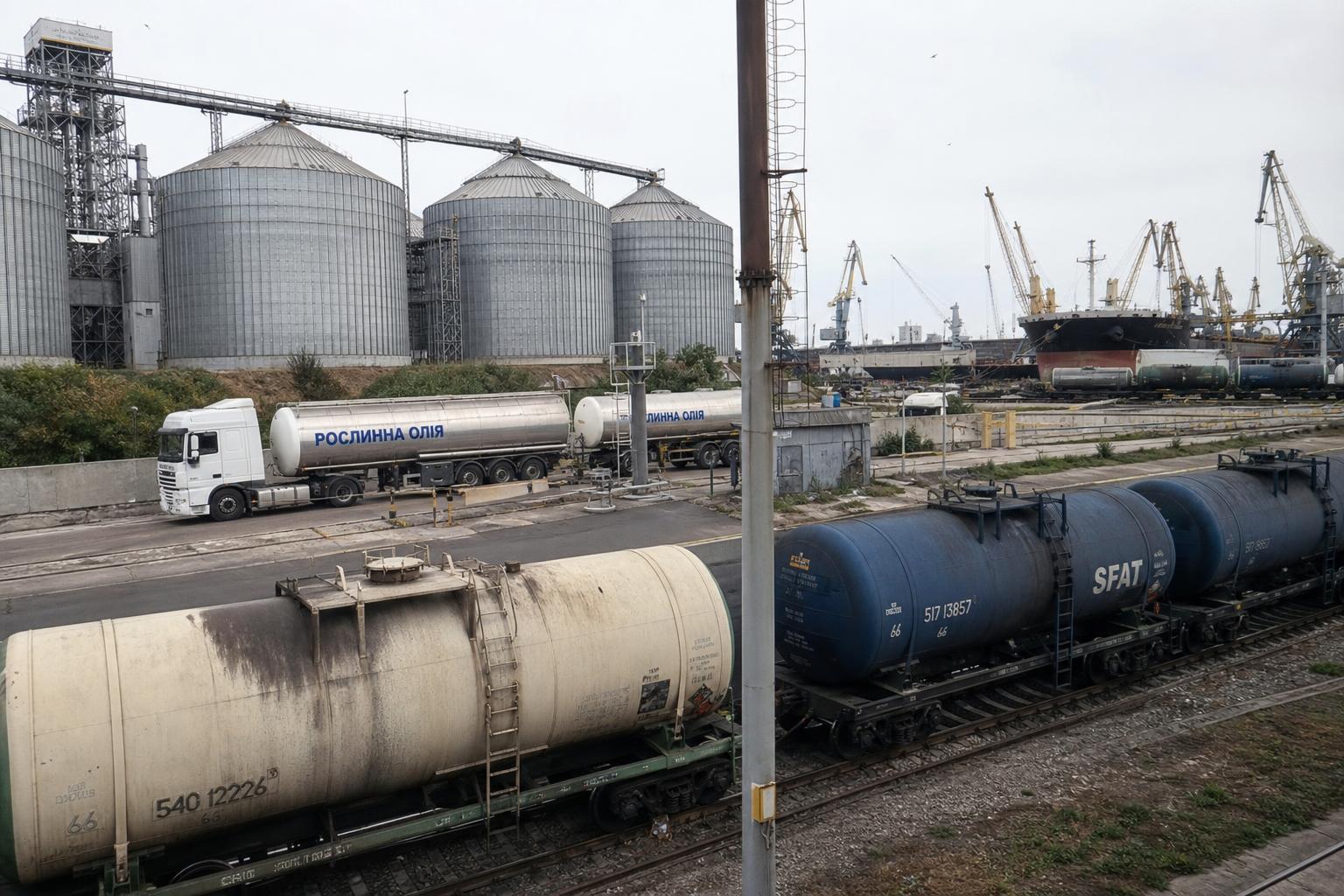
The Indian market, one of the key destinations for sunflower oil, is experiencing shipment delays from the Black Sea region. Market reports indicate that some batches are delayed by up to 60 days.
For Ukrainian agribusiness, this is not only a matter of oil prices. Logistics factors increasingly influence the buyer’s choice of supplier, payment schedules, insurance conditions, and willingness to wait for the cargo.
India Seeks Alternatives Due to Unstable Supplies
Indian importers have begun to actively explore other vegetable oils and new sourcing regions. Among the alternatives are palm, soybean, and rapeseed oils, as well as suppliers from South America.
One of India’s major buyers has reported shifting about half of its sunflower oil purchases to Argentina. Additionally, importers are testing Australian rapeseed oil, which already accounts for a small share of procurement by some companies.
This is an important signal for sellers: even if demand for sunflower oil remains, buyers evaluate not only price but also the predictability of the supply route.
Why Logistics Are Becoming Part of Commercial Offerings
According to industry sources, in the first half of the year, sunflower oil accounted for approximately 20% of India’s vegetable oil imports. Out of about 1 million tons of imported sunflower oil, most came from the Black Sea region.
USDA estimates that in the 2025/26 season, Ukraine and Russia together supplied 63% of the global sunflower oil exports. Therefore, any disruption in Black Sea logistics quickly impacts the behavior of major importers.
For Ukrainian traders and carriers, this means the need to more accurately calculate transit times, risks of delays, insurance, and potential port changes. Negotiations with buyers should immediately establish a realistic delivery schedule, not just the base price of the product.
Price Signal: Sunflower Oil Premium Rises
Amid disruptions, the price index for sunflower oil in India increased by 6% over the month. This has raised its price premium compared to palm and soybean oils.
As the premium widens, importers tend to switch more quickly to substitutes. It is expected that palm oil imports to India will grow by approximately 40% in July compared to the previous month — up to 700 thousand tons. Monthly soybean oil imports are estimated at around 500 thousand tons.
For Ukrainian sellers, this creates a dual effect: high prices support margins, but delays may reduce buyer loyalty and open the market to competing oils.
What Sellers and Buyers Should Consider on AgroPost
- Oil product sellers should clearly specify available volumes, shipment points, readiness for container or bulk logistics, and approximate timelines.
- Carriers and freight forwarders should offer not only rates but also route scenarios considering possible delays.
- Buyers should include time buffers and verify if the supplier has a confirmed export channel.
- Traders should carefully agree on responsibility terms for delays, idling, and changes in vessel or transshipment schedules.
What this means for the market: Black Sea logistics remains a critical factor for sunflower oil exports. Ukrainian sellers can stay competitive if they offer buyers a clear logistics model, transparent timelines, and readiness to promptly adjust routes along with the product.
Comments
No comments yetNo comments yet - be the first.