
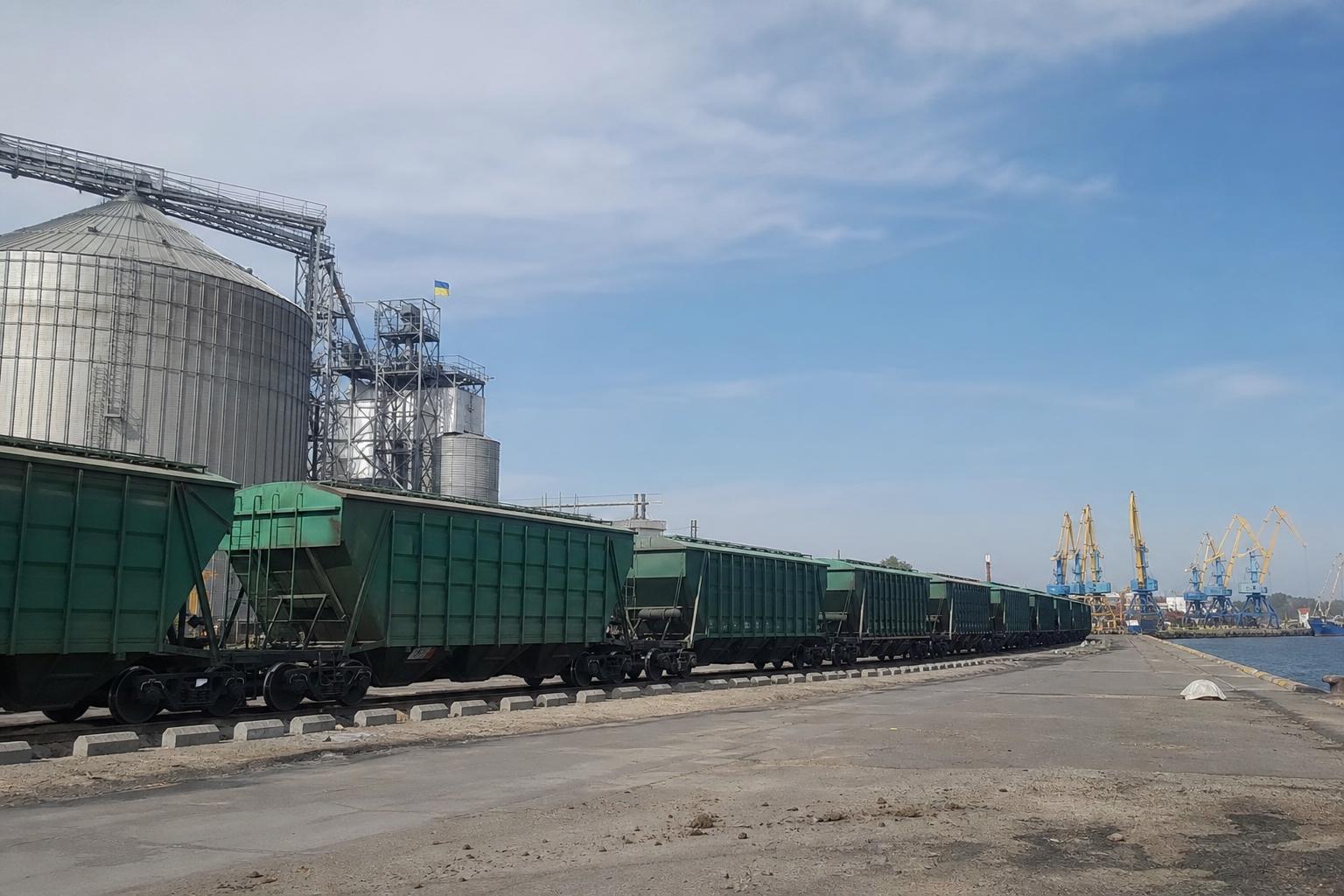
For the agricultural market, logistics remains one of the key factors influencing price, margin, and contract execution speed. Recent developments highlight two directions that grain sellers, traders, elevators, and carriers should monitor: railway transit through Moldova and the development of Odesa region's port infrastructure.
Currently, these are not finalized decisions but negotiations and framework agreements. However, such changes could impact future route costs, handling capacity, and export logistics planning.
UZ Discusses Discount on Transit via Moldova
JSC "Ukrzaliznytsia" and the State Enterprise "Moldovan Railway" are negotiating the possibility of reducing the cost of transit Ukrainian freight through Moldova. According to available information, the Ukrainian side is requesting a 50% discount on transit tariffs.
This is significant for agricultural shippers, as transit costs directly affect export competitiveness. If agreements are reached, the Moldova route could become more attractive for certain freight flows, especially during peak periods on traditional routes.
At the same time, the Moldovan side wants to understand the volume of transit shipments Ukrainian shippers are willing to provide. This means that, for negotiation leverage, not only tariffs but also the predictability of the freight base will be important.
Separate Issue — Locomotive Traction
Within negotiations, parties are also discussing the provision of locomotive traction. According to available information, Moldovan Railway reports a deficit of locomotives and proposes involving Ukrzaliznytsia’s traction rolling stock for transportation within Moldova.
This is a practical signal for business: even with a potential tariff reduction, the actual route capacity will depend on the technical organization of shipments. Therefore, when planning contracts, it is advisable to evaluate not only route costs but also risks of delays, traction availability, and schedule coordination.
Odesa Region Prepares Port and Grain Handling Projects
The Regional Development Agency of Odesa region has signed a memorandum of partnership with American engineering firm AGRICO SALES, Inc. The company specializes in designing and constructing port logistics facilities, grain terminals, and bulk cargo handling systems.
The stated goal of the cooperation is to attract American investments, develop port and logistics infrastructure, and support post-war regional recovery projects. The memorandum focuses on preparing investment projects, engaging international experts, and seeking funding through international financial institutions, export credit agencies, and U.S. government agencies.
This is a long-term infrastructural signal for the agricultural market. Developing port capacities and grain handling facilities could influence competition among logistics operators, service accessibility for exporters, and quality requirements for cargo preparation at elevators.
Key Takeaways for AgroPost Participants
- Grain sellers should monitor changes in railway route costs, as logistics expenses impact the final net price.
- Buyers and traders should consider multiple delivery scenarios in their calculations, especially if cargo is planned through transit routes.
- Elevators need to prepare for requests regarding stable shipments, quick dispatch, and compliance with port handling requirements.
- Carriers and freight forwarders should monitor not only tariffs but also traction issues, schedules, and route capacity.
Implications for the market. Ukrainian agrologistics are moving in two parallel directions: seeking cheaper and more flexible transit routes and investing in port infrastructure. For AgroPost participants, this is an incentive to more carefully calculate logistics margins, compare routes before concluding agreements, and respond swiftly to changing transportation conditions.
Comments
No comments yetNo comments yet - be the first.