
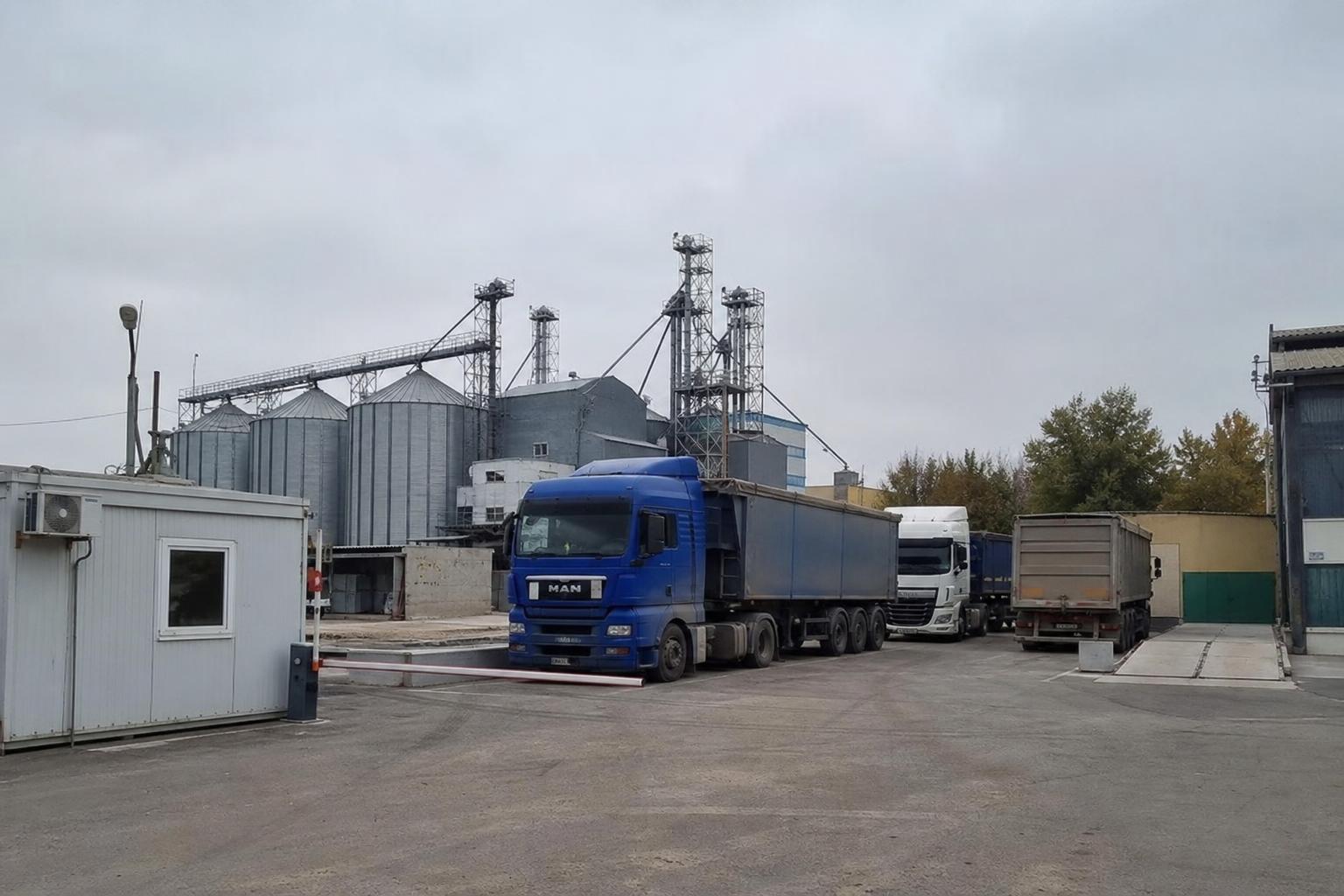
Ukrainian agricultural logistics is entering a period where the speed of harvest sales depends not only on price and transportation availability. Access to storage, document quality, laboratory support for consignments, and predictability of border procedures are becoming key factors.
For sellers and buyers on AgroPost, this means the need for more precise planning of delivery conditions: who covers analysis costs, where the cargo awaits shipment, what deadlines to include in contracts, and whether a backup route is available in case of delays.
Bulgaria Tightens Control on Ukrainian Sunflower
Bulgaria has announced inspections of all consignments of sunflower seeds imported from Ukraine for pesticide residues. This is significant for exporters considering Bulgaria as a destination for the new harvest.
Market data indicates that part of the Ukrainian sunflower volume was already contracted for September, with new shipments offered for October. Therefore, additional controls could specifically impact the period of active supply formation.
The concern arose from certain batches shipped in February-March, which during inspections revealed deltamethrin residues above EU permissible levels. For Ukrainian shippers, this underscores the importance of preliminary laboratory testing even before crossing the border.
Changes for Transportation and Contracts
Enhanced inspections do not automatically close the route but introduce operational risks. Exporters need to consider potential costs for laboratory analyses, processing time, and the risk of rejection of individual consignments.
For carriers and traders, this involves considerations of transportation availability and schedule adjustments for wagons or trucks. If a batch requires additional quality confirmation, delays could affect the entire logistics chain.
In purchase agreements, it is advisable to clearly specify quality requirements, list analyses, define responsibilities for non-compliance, and outline procedures in case of delays during inspection.
Temporary Storage Becomes Part of Logistics Strategy
International partners have confirmed approximately $10.5 million in support for the procurement of temporary storage facilities for Ukrainian farmers. This includes grain silos and other quick deployment solutions for product placement.
The need for such capacities is linked to reduced maritime export rates due to attacks on port infrastructure. The potential storage capacity deficit is estimated at 7-11 million tons.
Priority support is given to small and medium-sized producers, especially in frontline regions. Additionally, the Ministry of Agrarian Policy is working on attracting another $25 million from the World Bank.
Key Takeaways for AgroPost Participants
- Sunflower sellers should have up-to-date laboratory protocols and verify compliance with destination country requirements before concluding deals.
- Buyers should specify pesticide residue limits, documentation requirements, and acceptance points in their orders immediately.
- Transporters need to account for risks of delays during inspection, especially for export oilseed batches.
- Farmers with storage shortages should consider temporary storage as a tool to avoid rushing to sell harvest due to lack of space.
Implications for the market: Ukraine’s agri-product logistics are becoming more dependent on batch quality and access to flexible storage. Participants who proactively confirm quality, plan for time buffers, and have storage options will strengthen their negotiating position regarding prices and delivery timelines.
Comments
No comments yetNo comments yet - be the first.